



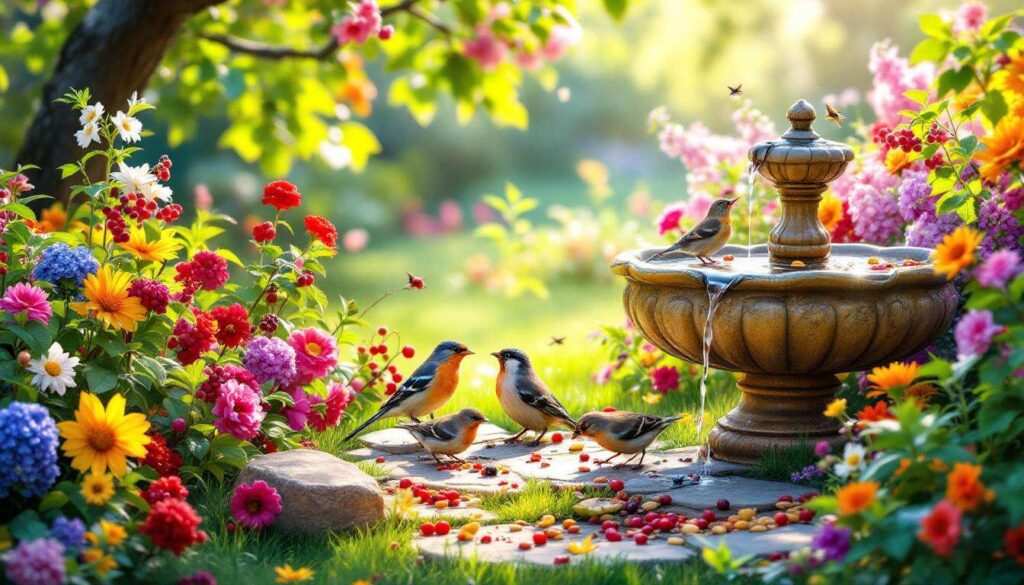
Transforming your garden into a haven for birds doesn’t require purchasing expensive feeders or constantly refilling them with seed. A more sustainable approach lies in working with nature rather than against it, creating an environment where birds can forage naturally. By making a few simple adjustments to your gardening habits and plant choices, you can provide a year-round feast that supports local bird populations whilst reducing your workload. These straightforward methods not only benefit avian visitors but also enhance your garden’s overall ecological health.
Leave Seeds to Attract Birds
The natural pantry of seed heads
One of the simplest ways to feed birds involves doing less rather than more. Instead of deadheading spent flowers throughout autumn, allow seed heads to remain on plants. Species such as coneflowers, sunflowers, and rudbeckias produce seeds that goldfinches, sparrows, and other seed-eating birds find irresistible. These natural food sources provide nutrition precisely when birds need it most, during the colder months when insects become scarce.
Timing your garden maintenance
Adjusting your maintenance schedule can make a significant difference. Consider these practical steps:
- Delay cutting back perennials until late winter or early spring
- Leave ornamental grasses standing to provide seeds and shelter
- Allow thistles and teasels to set seed in wilder garden areas
- Resist the urge to tidy borders until birds have gleaned all available food
This approach not only feeds birds but also creates structural interest in your winter garden, with frost-covered seed heads adding aesthetic appeal. Understanding which birds prefer which seeds helps you plan your planting accordingly, creating a diverse menu that attracts various species throughout the seasons.
Keep Leaves for Biodiversity
The hidden ecosystem beneath fallen leaves
Autumn leaves represent far more than garden waste. When left in place, they create a thriving microhabitat that supports countless invertebrates, which in turn become essential food for insectivorous birds like robins, blackbirds, and wrens. Rather than bagging every leaf, designate areas where they can decompose naturally, particularly under shrubs and in border edges.
Creating leaf refuges strategically
Balance aesthetics with wildlife value by managing leaves thoughtfully:
- Rake leaves from lawns to prevent grass damage but relocate them to borders
- Create shallow leaf piles in quiet corners where birds can forage
- Allow leaves to accumulate naturally in woodland-style plantings
- Use leaf mulch around established plants to suppress weeds whilst feeding birds
The insects, spiders, and other invertebrates that shelter in leaf litter provide protein-rich meals for birds, particularly during breeding season when parents need to feed hungry chicks. This natural food source requires no maintenance once established, making it an effortless way to support your garden’s bird population whilst improving soil health.
Plant a Shrub Buffet for Birds
Berry-bearing shrubs as living larders
Strategic planting of native shrubs creates a self-sustaining food source that requires minimal intervention. Species such as hawthorn, elder, rowan, and holly produce berries that sustain thrushes, waxwings, and other fruit-eating birds throughout winter. These plants offer the dual benefit of providing nesting sites during spring and summer before delivering their edible bounty in autumn.
| Shrub species | Berry season | Primary bird visitors |
|---|---|---|
| Hawthorn | September to November | Thrushes, fieldfares, redwings |
| Elder | August to September | Blackbirds, starlings, warblers |
| Rowan | August to October | Blackbirds, mistle thrushes, waxwings |
| Holly | November to February | Thrushes, blackbirds, woodpigeons |
Avoiding chemical interventions
To maximise the benefits of your planted buffet, eliminate pesticide use entirely. Chemical treatments destroy the insects that many birds rely upon, particularly during breeding season. A healthy garden ecosystem naturally regulates pest populations through predation, with birds playing a crucial role in this balance. Native plants typically require less intervention than exotic species, as they’ve evolved alongside local wildlife and possess natural resistance to regional pests and diseases.
Beyond berries and seeds, the structural complexity that shrubs provide creates valuable foraging opportunities where birds can hunt for insects sheltering in bark crevices and amongst foliage.
Offer a Suet Alternative
Natural fat sources in your garden
Whilst suet feeders remain popular, you can provide similar nutritional benefits through natural means. Insects found in decaying wood offer high-energy food that replicates the fat content birds seek in suet. Leaving dead wood in your garden, whether as standing snags or logs on the ground, creates habitat for beetle larvae and other wood-boring insects that woodpeckers, nuthatches, and treecreepers actively hunt.
Creating insect-rich environments
Enhance your garden’s natural insect population with these approaches:
- Drill holes of varying sizes in logs to create artificial beetle habitats
- Stack logs in shaded areas where they’ll decay slowly
- Retain dead branches on mature trees where safe to do so
- Plant insect-attracting flowers to support the full life cycle of beneficial species
This method provides year-round sustenance without the need for regular refilling or cleaning associated with traditional suet feeders. The insects that colonise dead wood also attract additional bird species that might not visit conventional feeding stations.
Install a Water Feature
The essential element often overlooked
Water proves just as critical as food for garden birds. They require it for both drinking and bathing, with the latter being essential for maintaining feather condition and flight capability. A simple birdbath can attract species that might never visit seed feeders, including insectivorous birds that prefer to find their own food but still need reliable water sources.
Maintaining an effective water source
Maximise the value of your water feature through proper placement and maintenance:
- Position birdbaths in open areas where birds can spot approaching predators
- Keep water depth shallow, ideally no more than five centimetres
- Change water regularly to prevent algae growth and disease transmission
- Add stones or branches to provide perching spots and escape routes
- Prevent freezing in winter by refreshing with warm water daily
Moving water proves particularly attractive to birds, so consider adding a small solar-powered fountain if your budget allows. The sound of trickling water acts as an audible beacon, drawing birds from considerable distances. Even a simple dripping tap or slowly filling container can achieve this effect without requiring electricity or complex installation.
Create a Natural Debris Pile
Embracing controlled messiness
A deliberately constructed pile of garden debris represents one of the most underutilised wildlife features available to gardeners. By gathering prunings, twigs, small branches, and other organic material into a loose heap, you create a complex habitat that supports numerous species. Birds forage through these piles for insects, spiders, and other invertebrates whilst also using them for shelter during harsh weather.
Building an effective debris pile
Construct your pile thoughtfully to maximise its wildlife value. Begin with larger branches at the base to create air pockets and interior spaces, then add progressively smaller material towards the top. Position it in a quiet corner where it won’t dominate your garden’s appearance but remains accessible to foraging birds. The pile will gradually decompose, requiring occasional additions of fresh material to maintain its structure and continue supporting wildlife.
This feature costs nothing to create, requires minimal maintenance, and provides benefits that extend beyond birds to include hedgehogs, amphibians, and beneficial insects. The diversity of life it supports creates a richer ecosystem that ultimately attracts more bird species to your garden.
Supporting garden birds needn’t involve expensive equipment or time-consuming maintenance routines. By allowing seed heads to stand, retaining fallen leaves, planting native shrubs, leaving dead wood, providing water, and creating debris piles, you establish a naturally abundant environment. These methods work with ecological processes rather than against them, creating sustainable food sources whilst reducing your workload. The resulting garden becomes more biodiverse, resilient, and attractive to a wider variety of bird species than any feeder could achieve alone.