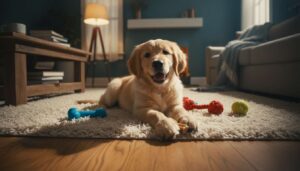
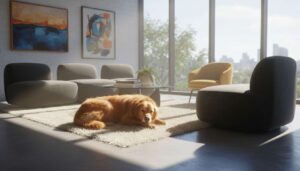
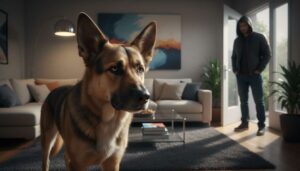
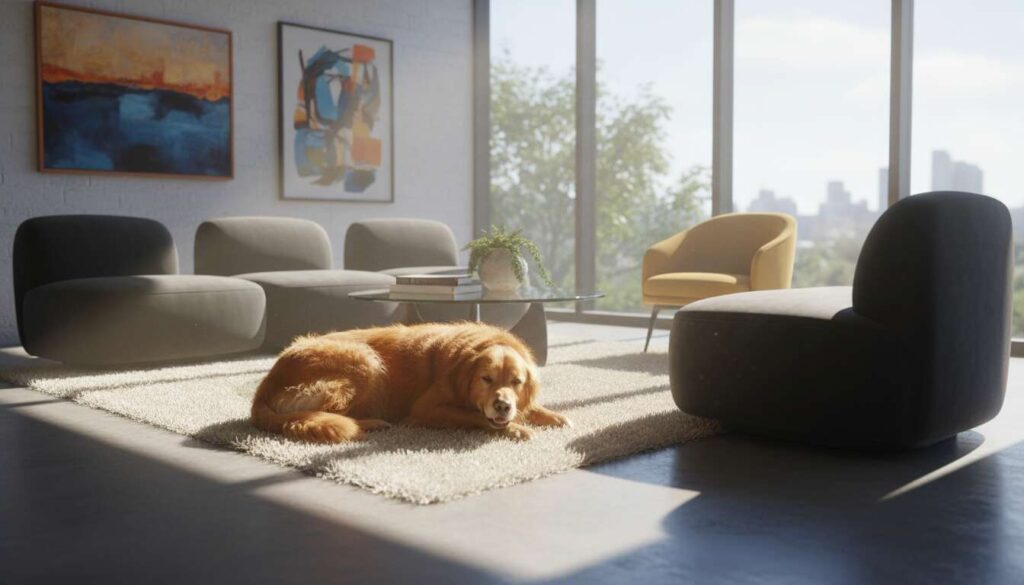
The unmistakable scent of a beloved canine companion can linger in a home long after the floors have been mopped and the carpets vacuumed. Despite rigorous cleaning routines, many dog owners find themselves perplexed by the persistent odours that seem to defy conventional cleaning methods. This phenomenon is not simply a matter of inadequate housekeeping but rather a complex interplay of factors involving your pet’s biology, household materials, and environmental conditions. Understanding the invisible geography of these odours requires a closer examination of where they originate, how they spread, and why they prove so remarkably resilient to standard cleaning approaches.
The persistence of canine odours: a challenge to meet
Why dog smells remain embedded in your home
Canine odours possess a remarkable tenacity that stems from their chemical composition. Dogs naturally produce oils through their skin glands, which serve protective and regulatory functions but also carry distinctive scents. These oils contain volatile organic compounds that easily become airborne and settle onto various surfaces throughout your home. Unlike simple dirt or debris, these compounds penetrate porous materials and form molecular bonds that resist superficial cleaning.
The challenge intensifies because dog odours originate from multiple sources simultaneously:
- Sebaceous glands that secrete oils across the entire body
- Saliva containing bacteria that produces odour when dried
- Paw pads that accumulate outdoor contaminants
- Ear wax and skin folds that harbour microorganisms
The microscopic nature of odour particles
Odour molecules measure mere nanometres in diameter, allowing them to infiltrate spaces invisible to the naked eye. They nestle into microscopic crevices in flooring, weave between carpet fibres, and adhere to wall paint textures. This microscopic dispersion means that surface-level cleaning often fails to reach the actual source of the smell. Even after thorough cleaning, these particles remain embedded in materials, gradually releasing odours back into the air as temperatures and humidity levels fluctuate.
These biological and chemical realities explain why traditional cleaning methods often provide only temporary relief from persistent dog odours. The solution requires addressing not just visible dirt but the invisible molecular landscape where odours truly reside. This understanding naturally leads to examining the specific household elements that harbour these stubborn scents most effectively.
The role of textile surfaces in the spread of odours
Fabrics as odour repositories
Textile surfaces function as highly efficient odour traps within the home environment. The porous structure of fabrics creates an extensive surface area where odour molecules can attach and accumulate. Upholstered furniture, curtains, cushions, and bedding act as reservoirs that continuously absorb oils and particles from your dog’s coat. Once embedded, these molecules resist removal through standard vacuuming or light washing.
| Textile type | Odour retention level | Cleaning difficulty |
|---|---|---|
| Carpet and rugs | Very high | Difficult |
| Upholstered furniture | High | Moderate to difficult |
| Curtains and drapes | Moderate | Moderate |
| Bedding and throws | High | Easy to moderate |
The carpet conundrum
Carpeting presents a particularly formidable challenge in the battle against dog odours. The dense fibre structure not only traps odour molecules but also creates an environment where bacteria and yeast can thrive. When dogs lie on carpets, their body heat and natural oils create ideal conditions for microbial growth. These microorganisms then produce their own odours, compounding the problem. Additionally, carpet padding beneath the visible surface absorbs liquids and odours that standard carpet cleaning cannot reach, creating a hidden reservoir of persistent smells.
Beyond passive absorption, textiles also facilitate odour distribution throughout the home. Air currents carry particles from fabrics into other rooms, spreading the scent far beyond your dog’s favourite resting spots. Addressing this textile-based odour network requires targeted strategies that penetrate deep into fabric structures. However, even the most thorough textile treatment cannot fully resolve the issue without considering your dog’s daily habits and behaviours that continuously replenish these odours.
Your dog’s behaviours that contribute to odours
Natural grooming and oil distribution
Dogs engage in self-grooming behaviours that inadvertently spread odours throughout your home. When a dog licks its coat, saliva moistens the fur and mixes with natural oils, creating a potent odour source that intensifies as it dries. This grooming behaviour deposits bacteria-laden saliva onto furniture, floors, and any surface the dog contacts afterwards. The frequency of this behaviour means that odour sources are constantly being renewed, even in homes with rigorous cleaning schedules.
Territorial marking and scent communication
Beyond obvious marking behaviours, dogs communicate through scent deposition in subtle ways. They possess scent glands in their paws that release pheromones with each step, effectively marking their territory throughout your home. When dogs scratch at doors, furniture, or carpets, they intensify this scent marking. Similarly, the act of rolling on furniture or floors serves to transfer the dog’s scent onto surfaces, a behaviour rooted in ancestral pack dynamics.
- Paw pad secretions deposited during walking and scratching
- Facial gland rubbing against furniture corners and doorframes
- Body rolling to transfer scent onto favoured resting areas
- Shaking after outdoor activities, dispersing particles into the air
Post-walk contamination patterns
The period immediately following outdoor walks represents a critical window for odour introduction. Dogs carry outdoor contaminants on their coats, paws, and underbellies, which then transfer to indoor surfaces. Moisture from rain or morning dew activates dormant odours in their coat, releasing them into your home’s atmosphere. Without proper post-walk protocols, each outing becomes an opportunity for fresh odour compounds to establish themselves within your living space.
Understanding these behavioural contributors reveals that managing dog odours requires more than reactive cleaning. It demands proactive strategies that interrupt the odour cycle at its source. Fortunately, nature itself provides several effective tools for neutralising these persistent smells without resorting to harsh chemical solutions.
Natural solutions for neutralising unpleasant odours
Bicarbonate of soda as an odour absorber
Bicarbonate of soda stands as one of the most effective natural odour neutralisers available to dog owners. Its chemical structure allows it to absorb and neutralise acidic odour molecules rather than simply masking them. Sprinkling bicarbonate of soda liberally onto carpets, upholstery, and dog bedding, then allowing it to sit for several hours before vacuuming, draws odours from deep within fabric fibres. For enhanced effectiveness, mixing bicarbonate of soda with a few drops of essential oils creates a pleasant scent whilst maintaining odour-fighting properties.
Vinegar-based cleaning solutions
White vinegar offers remarkable versatility in combating canine odours. Its acidic nature breaks down the alkaline salts found in dog urine and neutralises bacterial odours. A solution of equal parts water and white vinegar can be safely applied to most hard surfaces, whilst a more diluted version works for fabrics. The vinegar smell dissipates quickly as it dries, taking embedded dog odours with it. This solution proves particularly effective for mopping floors and wiping down walls where dogs frequently brush against surfaces.
- Spray bottle solution for quick spot treatments
- Mop bucket additive for comprehensive floor cleaning
- Fabric refresher when combined with water in a 1:3 ratio
- Air freshener when simmered with citrus peels on the stove
Enzymatic cleaners from natural sources
Enzyme-based products harness biological processes to eliminate odours at their molecular source. These cleaners contain beneficial bacteria that produce enzymes capable of breaking down the proteins, oils, and organic matter responsible for dog odours. Unlike chemical cleaners that simply mask smells, enzymatic solutions actually digest the odour-causing compounds, preventing them from returning. Many effective enzymatic cleaners can be created at home using natural fermentation processes, though commercial natural varieties also deliver excellent results.
Whilst natural solutions provide powerful odour-fighting capabilities, their effectiveness multiplies when combined with proper air circulation strategies. Even the most potent cleaning agents cannot fully eliminate odours if stale air remains trapped within your home.
The importance of ventilation for fresh air
Creating cross-ventilation patterns
Adequate ventilation serves as a fundamental defence against persistent dog odours by preventing their accumulation. Opening windows on opposite sides of your home creates cross-ventilation that actively removes odour-laden air whilst introducing fresh outdoor air. This air exchange dilutes odour concentrations and prevents molecules from settling onto surfaces. Even during colder months, brief periods of intensive ventilation prove more effective than keeping windows perpetually closed.
Strategic use of air circulation devices
Ceiling fans, standing fans, and air circulators enhance natural ventilation by preventing stagnant air pockets where odours concentrate. Positioning fans to direct airflow towards open windows or doors accelerates odour removal. In rooms without windows, fans can push odour-laden air into hallways and towards areas with better ventilation. The constant air movement also prevents odour molecules from settling onto surfaces, reducing the rate at which fabrics and furnishings absorb smells.
| Ventilation method | Effectiveness | Best application |
|---|---|---|
| Cross-ventilation | Very high | Whole-home odour removal |
| Ceiling fans | Moderate | Preventing air stagnation |
| Exhaust fans | High | Targeted odour extraction |
| Air purifiers | Moderate to high | Continuous filtration |
Regular ventilation routines transform your home’s atmosphere, but some situations demand more aggressive intervention. When natural solutions and improved airflow prove insufficient, specialised products designed for stubborn odours become necessary.
Effective products for eliminating stubborn odours
Activated charcoal and odour-absorbing materials
Activated charcoal possesses an extraordinary capacity for trapping odour molecules due to its porous structure and vast surface area. Placing activated charcoal bags in areas where your dog spends considerable time creates continuous odour absorption without introducing artificial fragrances. These bags require periodic recharging through sunlight exposure but remain effective for months. Similarly, zeolite rocks and bamboo charcoal offer natural odour absorption that works continuously in the background.
Professional-grade enzymatic treatments
When home remedies fall short, professional enzymatic products deliver concentrated odour-fighting power. These formulations contain higher concentrations of beneficial bacteria and specialised enzymes targeting specific odour compounds found in pet-related smells. Applied according to manufacturer instructions, they penetrate deep into carpets, upholstery, and other porous materials where odours hide. The biological action continues working for hours or even days after application, ensuring thorough odour elimination.
Air purifiers with HEPA and carbon filtration
Modern air purifiers combine multiple filtration technologies to address dog odours comprehensively. HEPA filters capture the dander and hair particles that carry odours, whilst activated carbon filters absorb gaseous odour molecules directly from the air. Running air purifiers continuously in main living areas and bedrooms maintains consistently fresh air quality. Models with sufficient room coverage and appropriate filter replacement schedules provide ongoing protection against odour accumulation.
The persistent challenge of dog odours in the home stems from a complex interaction between your pet’s natural biology, household materials, and environmental factors. Successfully addressing these smells requires understanding that odour molecules penetrate far beyond visible surfaces, embedding themselves in textiles, carpets, and microscopic crevices throughout your living space. Your dog’s daily behaviours continuously introduce fresh odours, creating a cycle that simple cleaning cannot break. Effective odour management combines natural neutralising agents like bicarbonate of soda and vinegar with proper ventilation strategies that prevent odour accumulation. When stubborn smells persist despite these efforts, specialised products including activated charcoal and professional enzymatic treatments provide the additional power needed. By addressing odours at their molecular source rather than merely masking them, and by implementing both preventative and reactive measures, you can achieve a genuinely fresh-smelling home that accommodates your canine companion comfortably.