



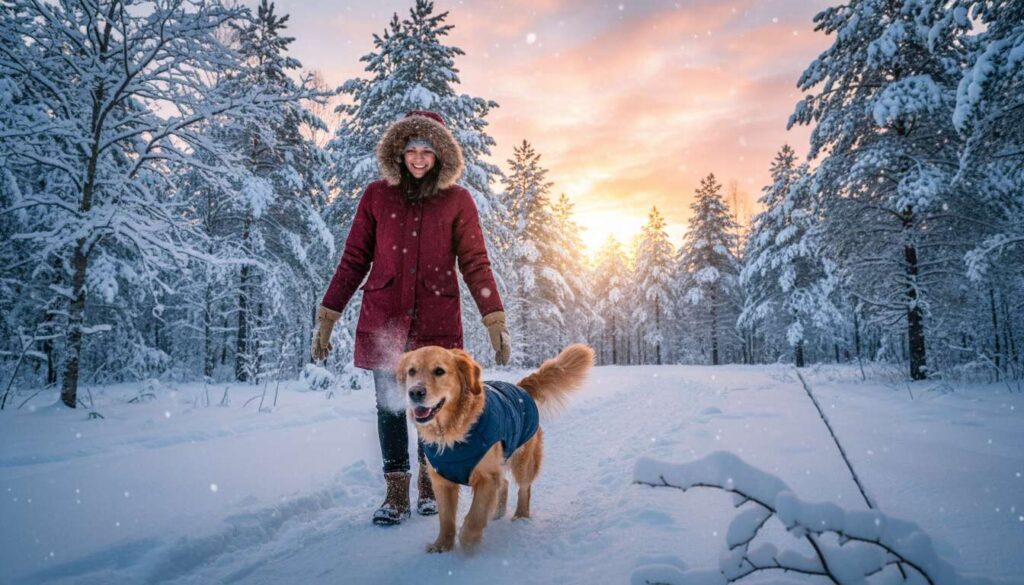
Winter walks with your dog require careful consideration and preparation to ensure their safety and wellbeing. Whilst the sight of fresh snow may excite both you and your canine companion, the cold season presents numerous challenges that many owners overlook. From freezing temperatures to hidden hazards beneath the snow, understanding how to properly protect your dog during winter outings is essential. The consequences of inadequate preparation can range from mild discomfort to serious health complications, making it vital for every dog owner to recognise the risks and implement appropriate protective measures.
Preparation before the winter outing
Assessing your dog’s tolerance to cold weather
Before venturing outside, it is crucial to evaluate your dog’s individual susceptibility to cold temperatures. Not all breeds respond equally to winter conditions. Small dogs, puppies, senior dogs, and those with thin coats or underlying health conditions are particularly vulnerable. Breeds such as Chihuahuas, Greyhounds, and Whippets lack the natural insulation that northern breeds like Huskies or Malamutes possess. Understanding your dog’s specific needs will help you determine the appropriate duration and intensity of outdoor activities.
Checking weather conditions thoroughly
Prior to each walk, examine the following weather factors:
- Current temperature and wind chill factor
- Precipitation forecasts including snow or freezing rain
- Ice warnings on pavements and roads
- Visibility conditions during evening walks
- Duration of daylight remaining
The wind chill factor significantly reduces the actual temperature your dog experiences, making what appears to be a manageable cold day potentially dangerous. As a general guideline, if the temperature drops below 7°C, small or vulnerable dogs require extra protection, whilst temperatures below -6°C pose risks even to larger, cold-resistant breeds.
Adjusting feeding schedules appropriately
Dogs expend considerably more energy maintaining their body temperature in cold weather. Consider increasing their food portions slightly during winter months, particularly for active dogs who spend extended periods outdoors. However, avoid feeding immediately before walks, as this can lead to digestive discomfort or, in extreme cases, bloat.
Having established the groundwork for safe winter outings, the next consideration involves equipping your dog with appropriate protective gear.
Essential equipment to protect your dog
Selecting the right dog coat or jacket
A well-fitted dog coat serves as the primary defence against harsh winter elements. When choosing a coat, ensure it covers your dog’s back from neck to tail base whilst allowing freedom of movement. Waterproof and insulated options provide the best protection, particularly for dogs with short or thin fur. The coat should feature adjustable straps to prevent slipping and should be easy to put on and remove.
Protecting paws with appropriate footwear
Dog boots offer comprehensive protection for sensitive paw pads against multiple winter hazards. Quality boots should possess the following characteristics:
- Non-slip soles for traction on ice
- Waterproof material to keep paws dry
- Secure fastening to prevent loss during activity
- Comfortable fit without restricting circulation
- Reflective elements for visibility in low light
Allow your dog time to acclimate to wearing boots before winter arrives, as many dogs initially find them awkward. Alternatively, protective paw wax creates a barrier against salt, ice, and cold surfaces when boots are not tolerated.
Additional safety accessories for visibility
Winter often means walking in reduced daylight conditions. Equip your dog with a reflective collar or harness, and consider attaching an LED light to ensure visibility to motorists and cyclists. A shorter lead provides better control on slippery surfaces.
| Dog Size | Recommended Coat Type | Boot Necessity |
|---|---|---|
| Small (under 10kg) | Insulated, full coverage | Highly recommended |
| Medium (10-25kg) | Water-resistant with fleece lining | Recommended for extended walks |
| Large (over 25kg) | Waterproof shell for short-coated breeds | Optional, depending on conditions |
With proper equipment in place, recognising when your dog is struggling with the cold becomes the next critical skill to develop.
Identifying signs of cold in your companion
Recognising behavioural indicators of discomfort
Dogs communicate their discomfort through distinct behavioural changes that owners must learn to identify promptly. A dog feeling too cold may exhibit reluctance to continue walking, frequently lifting paws off the ground, or seeking shelter beneath cars or bushes. Whining, barking, or anxious behaviour often indicates distress related to temperature.
Physical symptoms requiring immediate attention
Observable physical signs that your dog is dangerously cold include:
- Shivering or trembling continuously
- Hunched posture with tucked tail
- Slowed movement or lethargy
- Pale or grey gums
- Dilated pupils
- Shallow or slow breathing
If you observe any combination of these symptoms, return home immediately and warm your dog gradually. Severe cases may indicate the onset of hypothermia, which requires veterinary intervention.
Understanding breed-specific vulnerabilities
Certain breeds display cold sensitivity more rapidly than others. Brachycephalic breeds such as Bulldogs and Pugs struggle with temperature regulation due to their compromised respiratory systems. Conversely, double-coated breeds like German Shepherds can tolerate cold more effectively but still require monitoring during extreme conditions.
Beyond recognising discomfort, understanding the specific threats that winter environments pose will help you proactively protect your dog.
The hidden dangers of winter for dogs
De-icing salt and chemical hazards
Road salt and de-icing chemicals represent one of the most prevalent yet overlooked winter dangers. These substances cause painful irritation to paw pads, and when dogs lick their paws, they ingest toxic chemicals that can lead to gastrointestinal distress, excessive thirst, lethargy, or more serious complications. Calcium chloride and sodium chloride are particularly harmful, causing burns on sensitive skin.
Antifreeze poisoning risks
Antifreeze possesses a sweet taste that attracts dogs, yet even small quantities prove fatal. Ethylene glycol, the primary ingredient in most antifreeze products, causes rapid kidney failure. Symptoms appear within hours and include excessive thirst, vomiting, seizures, and loss of coordination. Immediate veterinary treatment is essential for survival. Always clean up antifreeze spills thoroughly and consider using pet-safe alternatives containing propylene glycol.
Frozen water bodies and thin ice
Dogs may not recognise the danger of frozen ponds, lakes, or rivers. Ice thickness varies considerably, and what appears solid may collapse under your dog’s weight. If your dog falls through ice, hypothermia sets in within minutes. Never attempt to walk on frozen water bodies during walks, and keep your dog on lead near such areas.
Reduced visibility and traffic accidents
Shorter daylight hours and poor weather conditions increase the risk of traffic-related incidents. Drivers have reduced visibility, and dogs wearing dark coats blend into winter landscapes. This danger intensifies near roads with snow banks that obscure sightlines.
Awareness of these hazards naturally leads to implementing practical strategies that minimise risk during winter walks.
Adopting good practices during walks
Timing walks strategically throughout the day
Schedule walks during the warmest parts of the day, typically between late morning and early afternoon when temperatures peak. This approach reduces exposure to extreme cold and maximises available daylight. For dogs requiring multiple daily walks, consider shortening the duration of early morning and evening outings.
Choosing appropriate walking routes
Select paths that offer some protection from wind and have been cleared of ice and snow where possible. Avoid areas heavily treated with de-icing chemicals, opting instead for:
- Woodland trails with natural ground cover
- Residential streets with minimal traffic
- Parks with designated dog areas
- Routes with available shelter if weather deteriorates
Varying your route helps you identify which areas receive better maintenance and pose fewer hazards.
Maintaining proper pace and duration
Keep walks shorter than usual, particularly in severe weather. Active movement generates body heat, so maintain a steady pace rather than allowing prolonged stationary periods. However, avoid overexertion, which can lead to exhaustion and increased vulnerability to cold.
Post-walk care routine
Upon returning home, implement a thorough post-walk routine:
- Wipe paws with warm water to remove salt and chemicals
- Dry your dog completely, paying attention to belly and legs
- Check between toes for ice balls or injuries
- Remove any snow clumps from fur
- Inspect paw pads for cracks or irritation
This routine prevents your dog from ingesting harmful substances whilst grooming themselves and identifies problems before they worsen.
These preventative measures work in conjunction with specific strategies designed to avoid cold-related injuries and illnesses.
Preventing frostbite and other winter ailments
Understanding frostbite susceptibility
Frostbite occurs when tissue freezes due to prolonged exposure to extreme cold. Dogs are most vulnerable in their extremities: ears, tail, paws, and nose. Initial signs include pale or grey skin, coldness to touch, and brittleness. As the area thaws, it may become red, swollen, and painful. Severe frostbite leads to tissue death and requires amputation of affected areas.
Recognising and responding to hypothermia
Hypothermia develops when a dog’s body temperature drops below 37°C. Early-stage hypothermia manifests as shivering, weakness, and lethargy. Moderate hypothermia brings muscle stiffness, shallow breathing, and decreased heart rate. Severe hypothermia causes collapse, fixed dilated pupils, and potentially cardiac arrest.
If you suspect hypothermia:
- Move your dog to a warm environment immediately
- Wrap them in blankets warmed in a dryer
- Apply warm water bottles to their abdomen and chest
- Never use direct heat sources like hairdryers
- Contact your veterinarian urgently
Protecting against winter skin conditions
Cold, dry air causes skin to become flaky and irritated. Indoor heating exacerbates this problem. Apply pet-safe moisturiser to paw pads and consider using a humidifier indoors. Reduce bathing frequency during winter, as excessive washing strips natural oils that protect skin.
Maintaining hydration and nutrition
Dogs dehydrate in winter despite lower temperatures because cold air contains less moisture. Ensure constant access to fresh, unfrozen water. Check outdoor water bowls frequently, as they freeze rapidly. Proper nutrition supports immune function and helps maintain body temperature regulation.
Winter walks need not be eliminated from your routine, but they demand heightened awareness and preparation. By understanding your dog’s individual vulnerabilities, equipping them with appropriate protection, recognising signs of distress, avoiding hidden dangers, implementing sensible walking practices, and taking preventative measures against cold-related ailments, you ensure that winter outings remain safe and enjoyable. The effort invested in these precautions protects your companion from potentially serious harm and allows you both to appreciate the unique beauty of the season without compromise. Remember that when conditions become truly severe, staying indoors and providing alternative mental and physical stimulation represents the most responsible choice for your dog’s wellbeing.