



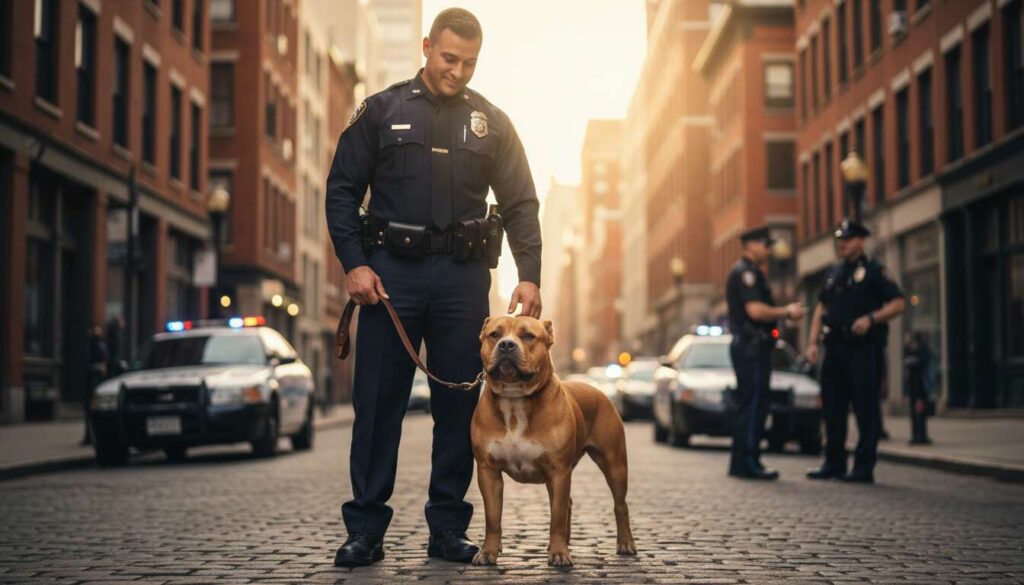
The introduction of the XL Bully ban has sparked considerable debate across the United Kingdom, with law enforcement agencies now grappling with the practical realities of implementing this controversial legislation. Since the ban came into force, police forces throughout England and Wales have seized thousands of dogs, placing unprecedented strain on resources and budgets. The financial implications have proved far more substantial than initially anticipated, with costs spiralling to levels that threaten the sustainability of current enforcement operations. As authorities continue to navigate the complexities of this policy, questions arise about the balance between public safety objectives and the operational capacity of police services to manage the consequences effectively.
The seizure report: more than 4,500 dogs captured
Unprecedented numbers of confiscations
Police forces across England and Wales have seized more than 4,500 XL Bully dogs since the ban’s implementation. This figure represents a dramatic escalation in dangerous dog enforcement activity, far exceeding the volumes handled in previous years. The scale of seizures has placed considerable pressure on police resources, requiring officers to dedicate substantial time to locating, capturing and processing these animals according to legal requirements.
Regional variations in enforcement
The distribution of seizures has varied significantly across different regions, with urban areas experiencing higher numbers due to population density and greater prevalence of XL Bully ownership. Forces in metropolitan regions have reported particularly high volumes, necessitating coordination between neighbouring constabularies to manage the logistical demands. The enforcement operation has required specialised training for officers in identifying XL Bully characteristics and handling potentially aggressive animals safely.
Legal framework driving seizures
The Dangerous Dogs Act of 1991 provides the legislative basis for these seizures, with the XL Bully now classified as a prohibited breed. Ownership without an exemption certificate constitutes a criminal offence, prompting police action when dogs are identified. The exemption process requires owners to meet specific conditions:
- Registration with an approved database
- Microchipping and neutering of the animal
- Third-party liability insurance coverage
- Compliance with strict control measures in public spaces
Many owners have failed to obtain these exemptions, either through lack of awareness or unwillingness to comply with the requirements, resulting in the substantial seizure figures recorded by authorities.
The sheer volume of dogs now in police custody has created significant downstream challenges that extend well beyond the initial capture operations.
A high financial cost for law enforcement
Projected expenditure reaching £25 million
The financial burden on police forces has escalated dramatically, with costs projected to reach £25 million by the end of April 2025. This represents a 500% increase compared to previous enforcement periods, transforming dangerous dog management from a manageable budget line into a major financial concern. The National Police Chiefs’ Council has documented this extraordinary rise, noting that expenditure has jumped from £4 million in 2018 to over £11 million in just the first eight months following the ban’s introduction.
Breakdown of ongoing costs
The financial pressures stem from multiple sources, each contributing to the overall burden on police budgets. Kennel accommodation represents the largest single expense, with facilities charging approximately £1,000 per month for each XL Bully housed. Given the extended periods many dogs remain in custody during legal proceedings, these costs accumulate rapidly.
| Cost category | Monthly expense per dog | Annual projection |
|---|---|---|
| Kennel accommodation | £1,000 | £54 million (4,500 dogs) |
| Veterinary services | Variable | £340,000+ (euthanasia alone) |
| Transport and handling | Variable | Significant additional costs |
Veterinary expenses and euthanasia
Police forces have been compelled to euthanise 848 dogs since the ban commenced, incurring veterinary fees totalling £340,000. These decisions typically follow legal proceedings where dogs are deemed dangerous or where owners cannot be located or choose not to reclaim their animals. The emotional and professional toll on officers and veterinary staff involved in these procedures adds a human dimension to the financial statistics.
The mounting expenses have exposed significant gaps in the funding arrangements that underpin enforcement operations.
The logistical challenges posed by the ban
Kennel capacity constraints
The surge in seizures has pushed kennel facilities to their absolute limits, with many establishments operating at or beyond maximum capacity. Police forces have struggled to secure adequate accommodation for the volume of dogs requiring housing, often resorting to commercial kennels at premium rates when specialist dangerous dog facilities become unavailable. The tripling of costs associated with dangerous dog management reflects not only increased numbers but also the premium pricing that results from scarce capacity.
Operational demands on police resources
Beyond accommodation, the ban has created substantial operational challenges for police forces already stretched by competing priorities. Officers require specialised training to identify XL Bully characteristics accurately, as the breed definition relies on physical measurements and proportions rather than pedigree documentation. The enforcement process involves:
- Responding to public reports of suspected XL Bullies
- Conducting assessments to determine breed classification
- Executing seizure operations safely
- Transporting animals to appropriate facilities
- Managing ongoing care and legal proceedings
- Coordinating with courts and legal representatives
Administrative and legal processing
Each seizure generates considerable administrative work, with officers required to document cases thoroughly for potential prosecution. Legal proceedings can extend over months, during which dogs remain in police custody at ongoing expense. The complexity of breed identification has led to contested cases requiring expert testimony, further prolonging proceedings and increasing costs.
These practical challenges have direct implications for the broader objectives that motivated the ban’s introduction.
The effects of the ban on public safety
Reduction in dog-related incidents
Authorities have reported a measurable decrease in dog attacks since the ban’s implementation, suggesting that the legislation has achieved some of its primary objectives. The removal of thousands of XL Bullies from public spaces has reduced the potential for serious incidents, particularly those involving children and vulnerable individuals who historically represented a significant proportion of victims in severe attacks.
Community engagement and reporting
Public participation has proved instrumental in enforcement success, with high levels of citizen engagement in reporting suspected XL Bully dogs to authorities. This community-backed response demonstrates public support for the ban’s objectives and has enabled police to identify dogs that might otherwise have remained undetected. The willingness of communities to engage with enforcement efforts reflects genuine concern about dangerous dog incidents.
Ongoing risks and compliance challenges
Despite progress, concerns remain about dogs that have evaded detection or owners who continue to keep XL Bullies without proper exemptions. The clandestine ownership of prohibited dogs presents ongoing risks, as these animals receive no regulatory oversight and may be kept in inappropriate conditions or by owners unprepared to manage their behaviour safely.
The substantial costs and operational challenges have prompted urgent calls for additional support from central government.
Calls for funding assistance for the authorities
Absence of additional government funding
Despite the unprecedented financial burden, police forces have received no additional funding from central government to support the increased demands created by the XL Bully ban. This absence of supplementary resources has forced constabularies to absorb costs within existing budgets, potentially diverting funds from other policing priorities. Chief Constable Mark Hobrough has emphasised that the financial burden represents an unsustainable drain on police resources without government intervention.
Ongoing discussions with Defra
The National Police Chiefs’ Council has engaged in discussions with the Department for Environment, Food and Rural Affairs regarding funding support, but no formal agreements have yet been reached. These negotiations address not only immediate cost recovery but also sustainable funding mechanisms for ongoing enforcement and accommodation expenses. The lack of resolution has created uncertainty for police forces attempting to plan budgets and resource allocation.
Sustainability concerns for enforcement
Police chiefs have expressed serious concerns about the long-term sustainability of current enforcement capacity without additional funding. The continuing accumulation of dogs in custody, combined with the extended duration of legal proceedings, suggests that costs will continue rising substantially. Forces face difficult decisions about prioritising resources between dangerous dog enforcement and other critical policing functions.
As the ban approaches its first anniversary, assessment of its overall impact provides important insights into the policy’s effectiveness.
One year on: what is the outcome of the XL Bully ban ?
Achievements in public safety
The ban has demonstrably reduced the number of XL Bullies in public spaces and contributed to a decline in serious dog attacks. The removal of over 4,500 dogs represents a substantial reduction in the population of animals considered to pose heightened risks to public safety. Community engagement has strengthened, with citizens actively participating in enforcement through reporting mechanisms.
Unresolved challenges
Significant challenges persist, particularly regarding the financial sustainability of enforcement operations and the capacity constraints affecting kennels and police resources. The absence of government funding support has placed considerable strain on police budgets, potentially compromising other policing priorities. Questions remain about dogs that have evaded detection and the effectiveness of exemption procedures in ensuring responsible ownership.
Future considerations
The experience of implementing the XL Bully ban offers valuable lessons for future dangerous dog legislation. The importance of adequate funding mechanisms, realistic assessment of enforcement capacity, and sustainable accommodation solutions has become evident. Authorities must balance public safety objectives with practical realities and resource constraints, ensuring that legislative ambitions align with operational capabilities.
The XL Bully ban has achieved measurable progress in reducing dangerous dog incidents, but the substantial financial and logistical challenges it has created demand urgent attention. Police forces have successfully removed thousands of potentially dangerous animals from public spaces, demonstrating commitment to public safety despite resource constraints. However, the projected costs of £25 million and the absence of government funding support raise serious questions about the sustainability of current enforcement operations. As discussions with Defra continue, the need for a comprehensive funding solution becomes increasingly critical to ensure that police forces can maintain effective enforcement without compromising other essential services. The balance between legislative objectives and practical implementation capacity remains a central challenge as authorities navigate the complexities of this controversial policy.