



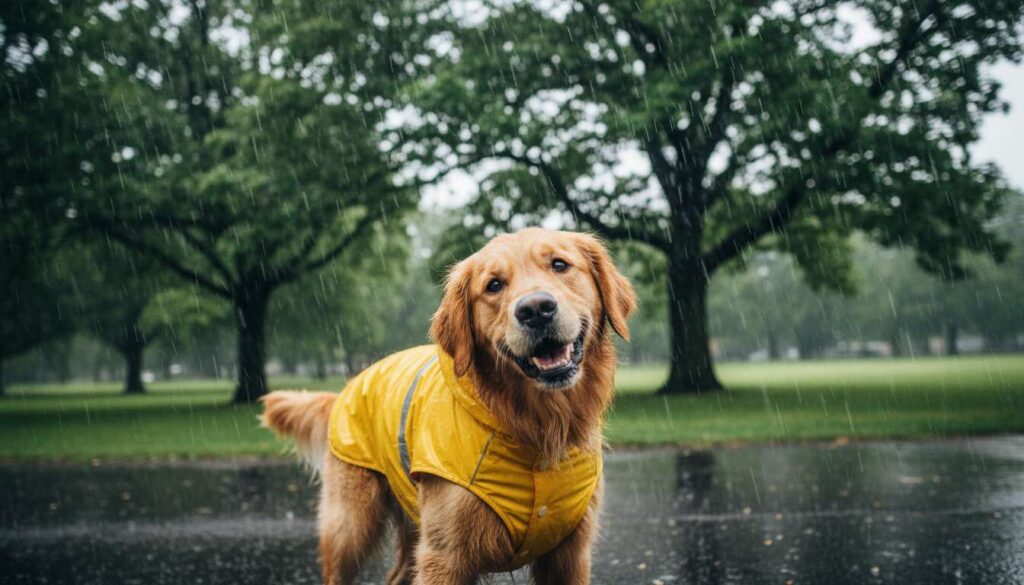
Many dog owners face the same dilemma when grey clouds gather and raindrops start to fall: should they venture outside with their pet or stay safely indoors ? Whilst the instinct might be to postpone the daily walk until the weather improves, the reality is more nuanced. Dogs require regular exercise and mental stimulation regardless of meteorological conditions, and a bit of rain needn’t necessarily derail your routine. Understanding how precipitation affects your canine companion, along with proper preparation and precautions, can transform a potentially miserable outing into an enjoyable experience for both of you.
Impact of rain on your dog’s walk
Physical effects of wet weather
Rain affects dogs differently depending on their breed, size, and coat type. Short-haired breeds such as Greyhounds or Whippets feel the cold and dampness more acutely than thick-coated breeds like Huskies or Newfoundlands. Smaller dogs closer to the ground also accumulate more moisture and mud on their bodies, making walks potentially less comfortable. The temperature accompanying the rain plays a crucial role: a warm summer shower presents fewer concerns than a cold autumn downpour that could lead to hypothermia in vulnerable dogs.
Behavioural changes during rainfall
Some dogs display noticeable reluctance when faced with wet conditions, whilst others seem entirely unbothered. This variation often stems from early socialisation experiences and individual temperament. Dogs not accustomed to rain may exhibit:
- Hesitation at the door or refusal to leave the house
- Shortened toilet breaks with immediate requests to return indoors
- Anxiety or stress signals such as panting or whining
- Increased pulling on the lead to hurry home
Conversely, many dogs relish the opportunity to splash through puddles and explore the heightened scents that rain brings to their environment.
Safety considerations in wet conditions
Beyond comfort, rain introduces legitimate safety concerns. Reduced visibility affects both you and passing motorists, increasing risks near roads. Slippery pavements can cause injuries, particularly for elderly dogs or those with joint problems. Additionally, heavy rainfall may wash pollutants, chemicals, or debris into areas your dog might investigate or ingest. These practical considerations warrant attention when deciding whether to proceed with your walk.
Having assessed how rain affects your dog, the next step involves implementing strategies to minimise discomfort and maximise enjoyment during wet weather outings.
Tips to keep your dog dry
Pre-walk preparation
Preparation begins before you step outside. Apply a water-resistant paw balm to protect your dog’s pads from prolonged moisture exposure and potential irritants. Consider timing your walk during lighter rainfall rather than during the heaviest downpours. Check the forecast to identify brief windows of opportunity when precipitation eases, allowing for a more pleasant experience.
Route selection matters
Choosing your walking route strategically can significantly reduce how wet your dog becomes. Opt for paths with tree cover or natural shelter that provides intermittent protection from rainfall. Paved routes generally offer better drainage than muddy fields, keeping your dog cleaner. Shorter loops near home allow for quick returns if conditions deteriorate unexpectedly.
Post-walk drying routine
Establishing an efficient drying routine prevents your home from becoming a muddy disaster zone. Keep the following items near your entrance:
- Highly absorbent microfibre towels specifically for your dog
- An old towel or mat for initial paw wiping
- A designated drying area away from furniture
- A hairdryer on a low, cool setting for thick-coated breeds
Thoroughly dry your dog’s paws, underbelly, and ears where moisture tends to accumulate and cause problems.
Whilst these techniques help manage wetness, investing in appropriate protective equipment offers another level of defence against the elements.
Choosing the right gear for rainy walks
Dog raincoats and jackets
Quality waterproof clothing designed for dogs has become increasingly sophisticated. When selecting a raincoat, prioritise proper fit over aesthetics. The garment should cover your dog’s back and sides without restricting movement or causing chafing. Look for adjustable straps, reflective strips for visibility, and breathable materials that prevent overheating. Breeds with minimal natural protection benefit most from this investment.
Protective footwear options
Dog boots serve multiple purposes during rainy walks, protecting paws from cold, wet surfaces and preventing injuries from hidden debris. However, many dogs require gradual acclimatisation to wearing booties. Introduce them indoors first, rewarding your dog for tolerance. Ensure boots fit snugly without cutting off circulation, and select styles with non-slip soles and secure fastenings.
Human equipment considerations
| Item | Purpose | Key features |
|---|---|---|
| Waterproof jacket | Keeps you dry and comfortable | Reflective elements, hood |
| Hands-free lead | Allows umbrella use | Adjustable, padded waistband |
| Head torch | Improves visibility | Water-resistant, bright beam |
| Waterproof bag | Protects phone and treats | Sealed closures, accessible |
Your own comfort directly influences your willingness to maintain regular walking schedules regardless of weather.
Beyond simply managing the practical challenges, rainy walks offer unexpected advantages worth considering.
The benefits of going out in the rain
Mental stimulation and routine maintenance
Dogs thrive on consistency and predictability in their daily schedules. Cancelling walks due to rain disrupts this routine, potentially causing frustration or anxiety. Rain transforms familiar environments, introducing new scents, sounds, and textures that provide valuable mental enrichment. The sensory experience of rainfall itself offers stimulation that indoor activities struggle to replicate.
Physical health advantages
Regular exercise remains essential regardless of weather conditions. Dogs denied their usual physical outlet may develop behavioural problems including destructiveness, excessive barking, or hyperactivity. Maintaining activity levels supports:
- Healthy weight management and metabolism
- Joint mobility and muscle tone
- Digestive system regularity
- Cardiovascular fitness
Building resilience and confidence
Exposing your dog to various weather conditions during walks builds environmental confidence and adaptability. Dogs who experience only perfect weather may develop anxiety when eventually confronted with rain, wind, or other elements. Gradual, positive exposure creates well-adjusted pets comfortable in diverse situations.
Nevertheless, circumstances sometimes genuinely warrant keeping your dog indoors, making alternative activities necessary.
Indoor games and alternatives on a rainy day
Interactive puzzle toys
Food-dispensing puzzles and treat-hiding toys provide mental challenges that tire dogs surprisingly effectively. Rotate different puzzle types to maintain novelty and engagement. Start with easier puzzles and gradually increase difficulty as your dog masters each level.
Training sessions and skill development
Rainy days offer perfect opportunities for focused training sessions. Work on new commands, refine existing skills, or teach entertaining tricks. Short, frequent sessions of ten to fifteen minutes prevent boredom whilst reinforcing good behaviour and strengthening your bond.
Active indoor games
Space-appropriate activities can burn energy without venturing outside:
- Hide and seek with treats or favourite toys
- Tug-of-war with appropriate toys
- Indoor fetch in hallways or large rooms
- Stair climbing exercises for able-bodied dogs
- Obstacle courses using household items
These alternatives work best as supplements rather than complete replacements for outdoor exercise.
Whether you choose to walk or stay inside, certain health precautions deserve attention during wet weather.
Health precautions for dogs in rainy weather
Paw care and inspection
Prolonged moisture exposure softens paw pads, making them vulnerable to cuts and abrasions. After each rainy walk, inspect your dog’s paws thoroughly for embedded debris, cuts, or signs of irritation. Trim excess fur between paw pads to reduce mud accumulation and moisture retention. Address any injuries promptly to prevent infection.
Preventing skin conditions
Damp fur creates ideal conditions for bacterial and fungal growth, particularly in skin folds and ears. Ensure complete drying after walks, paying special attention to vulnerable areas. Dogs with allergies or sensitive skin may require additional care such as protective balms or post-walk rinses to remove irritants.
Monitoring for illness
Watch for signs that wet weather walks have compromised your dog’s health:
- Persistent shivering or reluctance to move
- Lethargy or decreased appetite
- Coughing or respiratory changes
- Limping or paw sensitivity
- Ear scratching or head shaking indicating infection
Elderly dogs, puppies, and those with compromised immune systems require particular vigilance during wet weather.
Rain needn’t signal the end of your dog’s outdoor adventures. With appropriate preparation, suitable equipment, and sensible precautions, walks can continue safely in most wet conditions. The decision ultimately depends on your individual dog’s needs, the severity of weather, and available alternatives. By understanding the impacts of rain, implementing protective measures, and recognising genuine health concerns, you can make informed choices that prioritise your dog’s wellbeing whilst maintaining the physical activity and mental stimulation essential to their happiness. Whether you embrace the puddles or opt for indoor enrichment, consistency and attention to your dog’s signals remain paramount.