



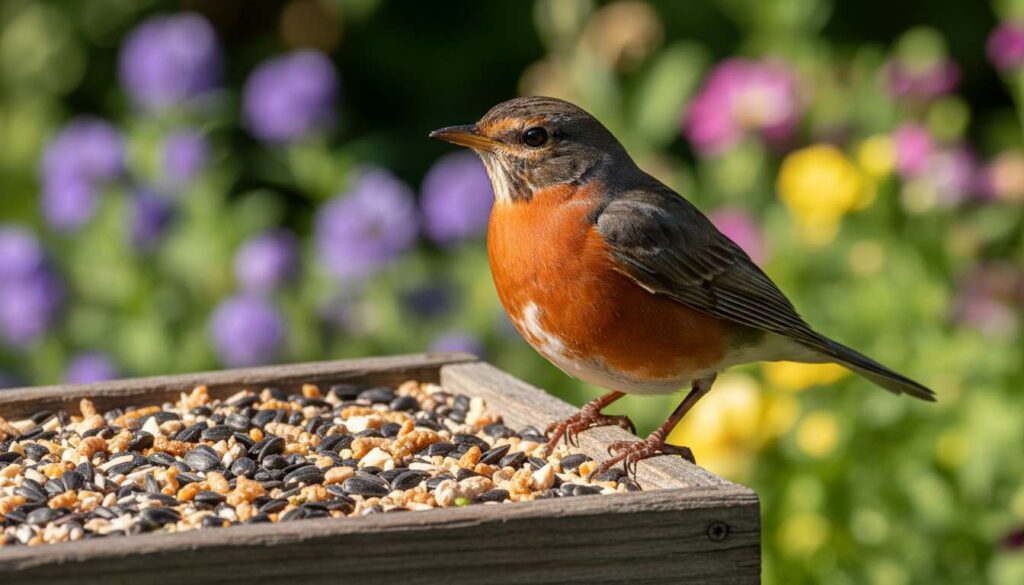
Garden birdwatching remains one of Britain’s most cherished pastimes, and few species capture the hearts of observers quite like the robin. With their distinctive red breast and confident demeanour, these beloved birds bring colour and character to outdoor spaces throughout the year. Understanding their dietary preferences and providing appropriate sustenance can transform your garden into a reliable haven for these charismatic visitors, ensuring their frequent presence whilst supporting their nutritional requirements during both harsh winters and demanding breeding seasons.
Attracting robins to your garden
Understanding robin behaviour and feeding habits
Robins exhibit territorial behaviour and typically establish feeding patterns within specific areas. Unlike many garden birds that prefer elevated feeding stations, these ground-dwelling foragers naturally seek sustenance at lower levels. Their bold and inquisitive nature means they often approach humans closely, particularly when soil is being turned during gardening activities, revealing potential insect prey.
Creating an inviting environment extends beyond simply filling a feeder. Consider these essential factors:
- Position feeding areas near natural cover such as shrubs or hedgerows
- Maintain a clean feeding station to prevent disease transmission
- Provide fresh water for drinking and bathing
- Avoid using pesticides that eliminate their natural insect food sources
- Install ground-level feeding trays or bird tables rather than hanging feeders
Seasonal considerations for robin feeding
The nutritional requirements of robins vary considerably throughout the year. During winter months, high-energy foods become crucial for survival as natural food sources diminish and temperatures plummet. Breeding season demands protein-rich options to support egg production and chick development, whilst autumn requires foods that help birds build fat reserves before winter arrives.
| Season | Primary nutritional need | Recommended food types |
|---|---|---|
| Spring/Summer | Protein for breeding | Insects, mealworms, suet |
| Autumn | Fat reserves building | Seeds, suet pellets, berries |
| Winter | High-energy sustenance | Suet products, sunflower hearts |
Establishing these fundamentals creates the foundation for successfully attracting robins, but the specific foods offered will ultimately determine whether these delightful birds become regular garden visitors.
Robins’ favourite foods
Natural dietary preferences in the wild
In their natural habitat, robins consume a predominantly insectivorous diet during warmer months, actively hunting beetles, caterpillars, spiders and earthworms. As temperatures drop and invertebrate availability decreases, they adapt by incorporating berries, seeds and other plant materials into their consumption patterns. This dietary flexibility enables their year-round presence in British gardens, unlike many species that migrate seasonally.
Replicating natural nutrition in garden feeders
Successfully attracting robins requires mimicking their wild food sources as closely as possible. The three ingredients that consistently prove most effective combine nutritional value with accessibility, ensuring robins receive adequate sustenance whilst encouraging repeat visits to your garden feeding stations.
Understanding these preferences allows gardeners to make informed choices when selecting feeder contents, moving beyond generic bird food towards targeted nutrition that specifically appeals to robin requirements.
Insects and suet pellets
The nutritional powerhouse combination
Suet pellets formulated with insect content represent an exceptional food choice for robins throughout the year. These compact nuggets typically contain high-quality beef suet combined with protein-rich insect meal, oat flour for digestibility, and essential mineral supplements including oyster shell grit. This combination addresses multiple nutritional requirements simultaneously, providing:
- High-energy fat content from quality suet
- Essential proteins from insect components
- Calcium supplementation preventing deficiencies
- Easily digestible carbohydrates from grain content
- Year-round suitability regardless of season
Selecting quality suet products
Not all suet pellets offer equal nutritional value. Premium formulations contain higher percentages of actual insect material rather than simply insect flavouring, whilst avoiding unnecessary fillers that provide minimal nutrition. Check ingredient listings carefully, seeking products that specify real insect content such as dried mealworms, black soldier fly larvae, or other invertebrate proteins.
| Suet pellet quality indicator | Premium product | Budget alternative |
|---|---|---|
| Insect protein content | 15-25% | 5-10% |
| Suet quality | Beef suet | Mixed fats |
| Filler content | Minimal | Substantial |
These nutrient-dense pellets work particularly well in ground feeding trays, matching robins’ natural foraging behaviour whilst providing concentrated nutrition. However, variety remains important in any feeding programme.
Sunflower hearts: a nutritious option
Why hulled seeds matter for robins
Sunflower hearts—dehulled sunflower seeds—offer significant advantages over their shelled counterparts for robin feeding. Without tough outer husks, these kernels provide immediate access to nutritious content whilst eliminating mess from discarded shells. Their high oil content delivers concentrated energy, particularly valuable during cold weather when robins require maximum caloric intake to maintain body temperature.
Nutritional composition and benefits
These small kernels pack impressive nutritional density. Rich in healthy fats, proteins, vitamin E, and essential minerals including magnesium and selenium, sunflower hearts support overall avian health. Their soft texture suits robins’ feeding style, requiring minimal effort to consume whilst providing substantial energy returns.
Presentation matters when offering sunflower hearts. Ground-level dishes or low platform feeders work best, as robins rarely visit hanging feeders designed for acrobatic species. Mixing sunflower hearts with other recommended foods creates variety whilst ensuring robins receive balanced nutrition from multiple sources.
Whilst sunflower hearts provide excellent supplementary nutrition, protein requirements—especially during breeding season—demand additional food sources.
Live and dried mealworms
The ultimate protein source for robins
Mealworms represent the gold standard for attracting robins to garden feeders. These larvae of the darkling beetle closely resemble natural invertebrate prey, triggering instinctive feeding responses. Both live and dried varieties offer substantial protein content, though each presents distinct advantages and considerations.
Live versus dried mealworms
Live mealworms provide maximum nutritional value and natural movement that attracts robin attention immediately. Their wriggling action mimics wild prey, making them irresistible to hunting instincts. However, they require refrigerated storage, have limited shelf life, and command premium pricing.
Dried mealworms offer practical advantages:
- Extended storage life at room temperature
- Lower cost per feeding
- No maintenance requirements
- Easier portion control
- Year-round availability
Rehydrating dried mealworms by soaking in warm water for fifteen minutes restores moisture content, making them more palatable and easier to digest whilst increasing their appeal to robins.
Feeding mealworms effectively
Offer mealworms in shallow dishes positioned at ground level or on low platforms. Start with small quantities to gauge demand, as excess mealworms may attract unwanted visitors or spoil in wet conditions. Regular, consistent provision trains robins to visit reliably, establishing your garden as a dependable food source.
Combining these three core ingredients creates comprehensive nutritional provision, but thoughtful preparation enhances their effectiveness further.
Creating a robin-friendly homemade mix
Combining ingredients for optimal nutrition
Blending the three recommended ingredients produces a customised feeding mixture that addresses all robin nutritional requirements simultaneously. A practical ratio combines equal parts suet pellets with insects, sunflower hearts, and dried mealworms, adjusted according to seasonal demands and observed preferences.
Preparation and presentation guidelines
Store homemade mixtures in airtight containers within cool, dry locations to maintain freshness and prevent spoilage. Prepare quantities sufficient for approximately one week, ensuring ingredients remain appetising whilst minimising waste. Consider these presentation best practices:
- Use dedicated ground feeding trays with drainage holes
- Refresh food daily, removing uneaten portions
- Clean feeding stations weekly with mild disinfectant
- Position feeders near escape cover but with clear sightlines
- Maintain multiple feeding stations to reduce territorial disputes
Foods to avoid offering robins
Certain commonly offered bird foods prove unsuitable or potentially harmful for robins. Never provide bread, which offers minimal nutrition whilst causing digestive problems. Whole peanuts present choking hazards, particularly during breeding season when adults might feed them to chicks. Milk and dairy products cause digestive distress, as birds lack enzymes to process lactose effectively.
Providing appropriate nutrition through these three proven ingredients—insect-enriched suet pellets, sunflower hearts, and mealworms—establishes your garden as a valuable resource for local robin populations. Combined with thoughtful feeder placement, consistent provision, and attention to cleanliness, this approach ensures these charismatic birds become regular visitors. Their presence rewards observers with delightful song, charming behaviour, and the satisfaction of supporting wildlife through informed, targeted feeding practices that genuinely benefit avian health and wellbeing throughout changing seasons.