



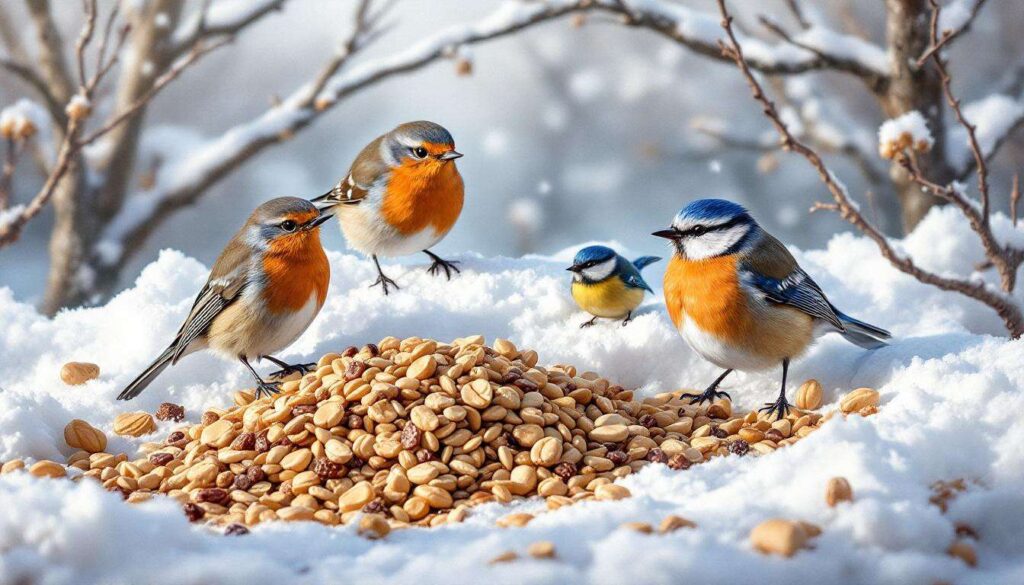
As temperatures plummet and frost blankets the landscape, garden birds face one of their greatest challenges: finding sufficient food to survive the harsh conditions. Shorter daylight hours mean less foraging time, whilst frozen ground and snow-covered vegetation make natural food sources scarce. For many species, this period represents a genuine struggle for survival, with energy demands soaring as birds work overtime to maintain their body temperature. Providing the right supplementary foods can make a critical difference between life and death for our feathered visitors.
Introduction to feeding birds in winter
Winter feeding has become an increasingly important conservation practice across the UK. With natural habitats under pressure from development and intensive agriculture, many bird populations rely heavily on garden feeding stations during the coldest months. The principle is straightforward: birds need substantially more calories in winter than during any other season, yet food availability plummets precisely when demand peaks.
Why winter presents unique challenges
Birds possess remarkably high metabolic rates, with small species such as blue tits losing up to 10% of their body weight during a single cold night. To compensate, they must consume approximately one-third of their body weight in food daily during winter. This extraordinary requirement becomes problematic when:
- Insects and invertebrates become dormant or scarce
- Seeds and berries are depleted from natural sources
- Ground-dwelling prey becomes inaccessible beneath frozen soil
- Daylight hours shrink, reducing foraging opportunities
Understanding these pressures helps explain why strategic supplementary feeding proves so beneficial. The foods we offer must not merely fill stomachs but provide concentrated energy sources that enable birds to survive long, freezing nights.
The importance of a high-energy diet
Not all bird foods deliver equal nutritional value. During winter, fat and protein content become paramount considerations. High-energy foods allow birds to build essential fat reserves quickly, providing insulation and fuel reserves for overnight survival when feeding becomes impossible.
Nutritional requirements during cold weather
Research demonstrates that birds actively seek foods with elevated fat content during winter months. A comparison of nutritional priorities reveals stark seasonal differences:
| Season | Primary nutritional need | Preferred food type |
|---|---|---|
| Spring/Summer | Protein for breeding | Insects, mealworms |
| Autumn | Mixed diet for migration | Seeds, berries, insects |
| Winter | Fat for energy and warmth | High-fat seeds, suet products |
Energy density matters
The concept of energy density refers to calories per gram of food. Winter feeding should prioritise foods offering maximum energy in minimum volume, allowing birds to refuel rapidly during brief feeding windows. Foods rich in oils and fats provide approximately twice the calories per gram compared to carbohydrates or proteins, making them invaluable winter staples.
With nutritional requirements established, specific food choices become the next critical consideration for effective winter feeding programmes.
Sunflower seeds: the ultimate energy choice
Black sunflower seeds, particularly the black oil variety, represent perhaps the single most valuable food for winter bird feeding. Their combination of high fat content, protein, and widespread palatability makes them a genuine superfood for garden birds.
Nutritional profile and benefits
Black sunflower seeds contain approximately 40% fat and 20% protein, delivering exceptional energy density. The thin shells of black oil varieties prove easier for small birds to crack compared to striped sunflower seeds. Species benefiting include:
- Finches, particularly greenfinches and goldfinches
- Tits of all varieties, including blue, great, and coal tits
- Nuthatches and tree sparrows
- Siskins and house sparrows
Feeding methods and presentation
Sunflower seeds work effectively in multiple feeder types. Tube feeders with appropriate perches suit smaller species, whilst platform feeders accommodate larger birds and ground-feeding species. Sunflower hearts, the kernels with shells removed, eliminate mess and suit birds unable to crack husks, though they cost considerably more.
Beyond seeds, another category of winter foods offers even higher fat content for the most demanding conditions.
Fat balls: a calorie-packed treat
Fat balls, also called suet balls, provide concentrated calories in an accessible format. Comprising rendered animal fat combined with seeds, grains, and sometimes insects, these products deliver energy levels that natural foods rarely match.
Composition and caloric value
Quality fat balls contain at least 50% fat content, with premium varieties reaching 60-70%. This extraordinary energy density proves invaluable during prolonged cold spells. A single fat ball can provide sufficient calories to sustain a small bird through an entire night.
Selecting quality products
Not all fat balls offer equal value. When selecting products, prioritise those that:
- Use beef suet rather than palm oil or vegetable fats
- Contain no salt, which proves harmful to birds
- Include added seeds, mealworms, or insects
- Come without plastic netting, which poses entanglement risks
Serving suggestions
Specialist fat ball feeders prevent waste and protect food from rain. Alternatively, crumbling fat balls into mesh feeders or onto platform feeders suits species uncomfortable with hanging feeders. During severe weather, increasing the number of fat balls available ensures adequate supply for increased visitor numbers.
Whilst fats provide energy, birds also require vitamins and minerals found abundantly in fruit-based foods.
Dried fruits and berries: a tasty and nutritious delight
Dried fruits offer concentrated natural sugars alongside essential vitamins, providing quick energy alongside longer-term nutritional benefits. Raisins, sultanas, and currants prove particularly popular with certain species.
Nutritional advantages
The drying process concentrates sugars whilst preserving vitamins, particularly vitamin C and antioxidants. These nutrients support immune function during stressful winter conditions. Species especially attracted to dried fruits include:
- Blackbirds and thrushes
- Robins and wrens
- Starlings
- Blackcaps that overwinter rather than migrate
Preparation and presentation
Soak dried fruits in warm water for approximately 30 minutes before offering. This rehydration prevents choking risks and makes fruits easier to digest. Place softened fruits on ground feeding tables or platform feeders rather than hanging feeders, as most fruit-eating species prefer stable feeding platforms.
Combining with other foods
Mixing chopped dried fruits with grated cheese, porridge oats, or suet creates nutritionally complete meals. This combination provides fats, proteins, carbohydrates, and micronutrients in a single serving.
Offering appropriate foods represents only part of responsible winter feeding; how we provide them matters equally.
Tips for feeding birds responsibly
Effective winter feeding requires more than simply scattering food outdoors. Responsible practices protect bird health whilst maximising the benefits of supplementary feeding.
Hygiene and feeder maintenance
Disease transmission at feeding stations poses genuine risks. Clean feeders thoroughly every two weeks minimum using hot water and bird-safe disinfectant. Rotate feeding locations monthly to prevent ground contamination beneath feeders.
Timing and consistency
Birds develop feeding routines and come to rely on consistent food availability. Establish regular refilling schedules, ideally:
- Early morning, when overnight fat reserves are depleted
- Late afternoon, allowing pre-roosting feeding
- After severe weather events that limit natural foraging
Water provision
Access to unfrozen water proves equally critical as food during winter. Birds require water for drinking and feather maintenance. Place shallow dishes in sheltered locations and refresh daily, breaking ice during freezing conditions.
Predator awareness
Position feeders at least two metres from dense cover where cats might hide, yet close enough to trees or shrubs that birds can retreat quickly from aerial predators. This balance provides safety without eliminating escape routes.
Winter feeding represents one of the most rewarding aspects of garden wildlife care. By offering sunflower seeds, fat balls, and dried fruits, gardeners provide essential support when birds need it most. These three high-energy favourites, combined with responsible feeding practices, create lifelines that help diverse species survive harsh conditions. The effort invested in maintaining feeding stations through winter months pays dividends in thriving bird populations and the privilege of observing these remarkable creatures at close quarters throughout the coldest season.