



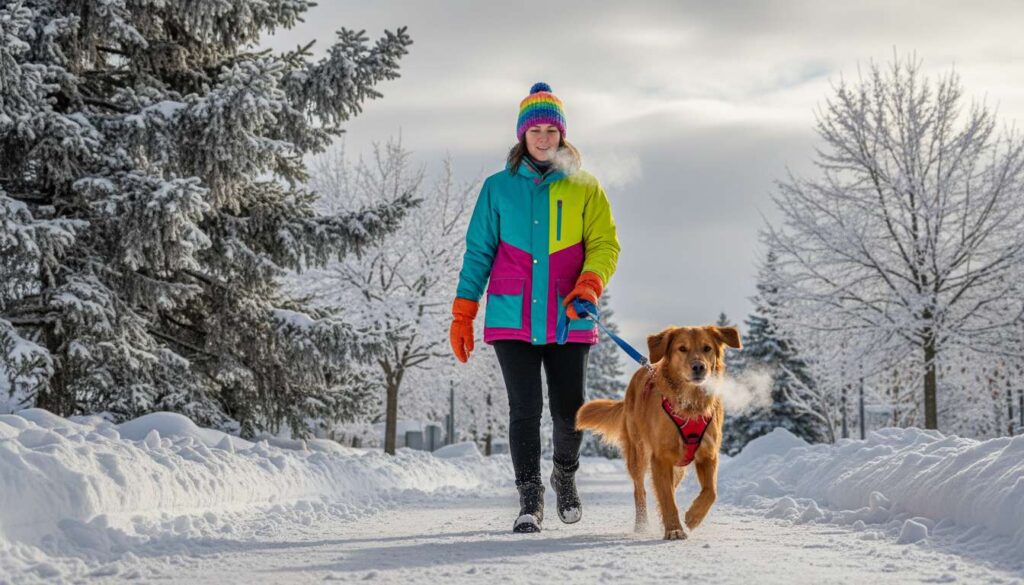
As temperatures drop and frost settles on pavements, dog owners face unique challenges during their daily outings. The colder months bring specific risks that can compromise both the comfort and safety of our canine companions. From icy surfaces to hypothermia concerns, understanding how to protect dogs during winter walks becomes paramount for responsible pet ownership. Implementing appropriate preventive measures ensures that these essential outdoor activities remain enjoyable rather than hazardous for four-legged friends.
Preparing your dog for winter walks
Assessing your dog’s cold tolerance
Not all dogs respond equally to cold weather conditions. Breed characteristics play a significant role in determining how well a dog tolerates low temperatures. Small breeds, short-haired dogs, and those with minimal body fat require particular attention during winter months. Conversely, breeds with thick double coats such as Huskies or Malamutes naturally cope better with freezing conditions.
Consider these factors when evaluating your dog’s cold sensitivity:
- Age and overall health condition
- Coat thickness and length
- Body size and weight
- Previous exposure to cold environments
- Underlying medical conditions such as arthritis
Gradual acclimatisation strategies
Dogs benefit from progressive exposure to colder temperatures rather than sudden immersion in harsh conditions. Begin with shorter outdoor sessions as autumn transitions into winter, allowing your pet’s body to adjust naturally. This gradual approach helps build tolerance and reduces the shock of extreme temperature changes. Watch for signs of discomfort including shivering, reluctance to continue walking, or lifting paws repeatedly from the ground.
Understanding your dog’s individual needs provides the foundation for selecting appropriate protective measures and equipment.
Choosing the right equipment for the cold
Protective clothing options
Dog coats and jackets serve a practical purpose beyond aesthetic appeal. For vulnerable breeds, a well-fitted waterproof coat provides essential insulation against wind chill and precipitation. Select garments that cover the chest and belly whilst allowing freedom of movement. Reflective elements enhance visibility during darker winter mornings and evenings, addressing safety concerns beyond temperature protection.
Paw protection essentials
Dog booties offer valuable protection against salt, grit, and ice that accumulate on winter pavements. Whilst many dogs initially resist wearing them, patient training helps them accept this protective gear. Alternatively, paw wax creates a barrier between sensitive pads and harsh surfaces without requiring your dog to wear footwear.
| Protection type | Advantages | Considerations |
|---|---|---|
| Dog booties | Complete paw coverage, prevents ice accumulation | Requires acclimatisation period |
| Paw wax | Easy application, natural feel | Needs reapplication, less protection |
| Paw balm | Moisturises and protects | Best combined with other methods |
Proper equipment selection directly influences how you structure your walking routine during challenging weather conditions.
Adapting the route and duration of the walk
Timing considerations
Schedule walks during the warmest parts of the day when temperatures peak, typically between late morning and early afternoon. This strategic timing reduces exposure to extreme cold whilst maintaining your dog’s exercise requirements. On particularly harsh days, consider multiple shorter outings rather than one extended walk, allowing your dog to warm up indoors between sessions.
Route selection strategies
Choose paths that offer some protection from biting winds and avoid areas where ice accumulation poses slipping hazards. Wooded areas provide natural windbreaks, whilst well-maintained pavements reduce the risk of injuries from hidden ice patches. Avoid frozen bodies of water entirely, as thin ice presents life-threatening dangers regardless of your dog’s swimming abilities.
- Select routes with adequate lighting for visibility
- Avoid areas heavily treated with de-icing chemicals
- Choose familiar paths to reduce stress
- Plan routes near shelter options if weather deteriorates
Even with careful planning, specific winter hazards require vigilant attention throughout your walk.
Securing your dog against winter hazards
Chemical exposure risks
De-icing salts and antifreeze represent serious toxicity threats to dogs during winter months. These substances taste appealing to animals but cause severe health complications if ingested. Antifreeze, in particular, proves fatal even in small quantities. Prevent your dog from licking pavements or drinking from puddles, and rinse paws immediately upon returning home to remove chemical residues.
Visibility and traffic safety
Reduced daylight hours and adverse weather conditions diminish visibility for both pedestrians and drivers. Equip your dog with reflective collars or LED attachments to ensure they remain visible to approaching vehicles. Maintain closer control in low-light conditions, keeping leads shorter than usual to respond quickly to potential dangers.
Hypothermia warning signs
Recognising early symptoms of hypothermia enables prompt intervention before conditions become critical. Watch for excessive shivering, lethargy, shallow breathing, and muscle stiffness. If your dog displays these signs, return home immediately and warm them gradually using blankets rather than direct heat sources.
Vigilance during walks must extend beyond the outdoor environment into post-walk care routines.
Monitoring the dog’s health post-walk
Immediate post-walk checks
Upon returning indoors, conduct a thorough physical examination of your dog. Check between toe pads for ice balls, cuts, or embedded grit. Inspect the belly and chest for signs of excessive cold exposure, particularly in short-haired breeds. Feel the ears and tail tip, as these extremities prove most susceptible to frostbite.
Warming procedures
Allow your dog to warm up naturally in a comfortable indoor environment. Provide fresh water, as cold weather increases dehydration risk despite reduced obvious signs. Avoid using heating pads or hairdryers directly on your dog, as rapid temperature changes can cause discomfort and potential tissue damage. Instead, offer warm bedding and a quiet space for recovery.
Behavioural observations
Monitor your dog’s behaviour in the hours following winter walks. Persistent shivering, reluctance to move, or unusual lethargy warrant veterinary attention. Changes in appetite or drinking patterns may indicate underlying cold-related stress that requires professional assessment.
Consistent post-walk care routines naturally incorporate specific attention to the areas most affected by winter conditions.
Taking care of paws and coat in winter
Paw maintenance protocols
Regular paw care prevents many winter-related complications. Trim hair between paw pads to reduce ice ball formation, which causes pain and affects gait. After each walk, rinse paws with lukewarm water to remove salt and chemicals, then dry thoroughly to prevent cracking. Apply moisturising balm to maintain pad suppleness and create a protective barrier against harsh elements.
Coat condition management
Maintain your dog’s coat in optimal condition throughout winter months. Regular brushing removes dead hair and distributes natural oils that provide insulation and water resistance. Avoid excessive bathing during winter, as this strips protective oils and increases vulnerability to cold. When bathing proves necessary, ensure your dog dries completely before outdoor exposure.
Nail and general grooming
Keep nails properly trimmed to maintain correct paw posture and reduce slipping on icy surfaces. Overgrown nails force unnatural weight distribution, increasing strain on joints already stressed by cold weather. Regular grooming sessions provide opportunities to identify potential problems early, from skin irritation to minor injuries that might otherwise go unnoticed beneath winter coats.
Winter walks demand heightened awareness and proactive care strategies from dog owners. By preparing adequately, selecting appropriate equipment, adapting routines to weather conditions, remaining vigilant against specific hazards, monitoring post-walk health, and maintaining thorough grooming practices, owners can ensure their dogs remain safe and comfortable throughout the coldest months. These precautions transform potentially hazardous outings into enjoyable experiences that maintain essential exercise and mental stimulation regardless of temperature. Implementing these three fundamental areas of protection creates a comprehensive approach to winter dog walking that prioritises wellbeing whilst preserving the joy of outdoor adventures with canine companions.