


The sight of certain dog breeds can trigger an immediate reaction of apprehension in many people. Whether walking down the street or entering a property, some dogs command attention through their physical presence alone. This response stems from a combination of factors: muscular builds, imposing stature, distinctive facial features, and historical associations with protection work. Understanding which breeds commonly inspire these feelings helps demystify canine behaviour whilst acknowledging the legitimate concerns of those who feel intimidated. The following exploration examines ten breeds that frequently provoke such reactions, analysing the characteristics that contribute to their formidable reputations.
Guard dogs and their visual impact
The psychology behind canine intimidation
Human perception of threat from dogs relies heavily on visual cues that signal potential danger. Size plays a fundamental role, with larger breeds naturally commanding more respect and caution. The psychological impact extends beyond mere dimensions, however, encompassing factors such as:
- Muscular definition and powerful chest development
- Head shape and jaw structure
- Ear position and alertness signals
- Coat colour, particularly dark shades
- Movement patterns suggesting strength and agility
Historical breeding for protection
Many intimidating breeds were deliberately developed for guard work, estate protection, or military applications. Breeders selected traits that would deter intruders whilst maintaining trainability and loyalty. This selective breeding created dogs with:
| Physical Trait | Protective Function | Human Response |
|---|---|---|
| Deep bark | Alert and warning | Immediate awareness |
| Broad chest | Physical strength | Perception of power |
| Alert posture | Territorial awareness | Heightened caution |
These characteristics served practical purposes for centuries, establishing reputations that persist regardless of individual temperament. The visual language of protection became encoded into specific breeds, creating an immediate recognition factor that influences human behaviour even before any interaction occurs.
Powerful breeds: a matter of appearance
The mastiff family and imposing size
Mastiff-type breeds represent some of the most physically imposing dogs in existence. The English mastiff can exceed 90 kilograms, whilst the Neapolitan mastiff displays loose, wrinkled skin that amplifies its already substantial presence. Their sheer mass creates an undeniable impact, particularly when these dogs move with surprising agility despite their bulk.
Bull breeds and muscular definition
American pit bull terriers, Staffordshire bull terriers, and similar breeds possess exceptional muscular development that catches the eye immediately. Their compact, powerful frames suggest explosive strength concentrated into relatively moderate sizes. Media coverage and breed-specific legislation have intensified public awareness of these breeds, creating preconceptions that extend beyond objective assessment of individual dogs.
The Cane Corso phenomenon
This Italian mastiff has gained considerable attention for its combination of size, athleticism, and protective instincts. Cane Corsos display:
- Weight typically ranging from 40 to 50 kilograms
- A confident, purposeful gait
- Intense facial expressions
- Natural wariness of strangers
Their growing popularity as protection dogs has raised their profile amongst those seeking intimidating breeds, whilst simultaneously increasing encounters that may unsettle unprepared individuals. The breed’s working heritage remains evident in its demeanour and physical capabilities.
Rottweiler: an intimidating gaze
Physical characteristics that command attention
The Rottweiler’s distinctive appearance combines several elements that contribute to its intimidating reputation. Males typically weigh between 50 and 60 kilograms, with broad heads, powerful jaws, and a confident stance. The breed’s black coat with rust-coloured markings creates a striking visual contrast that enhances its presence.
Expression and temperament perception
Rottweilers possess what many describe as an evaluating gaze, a direct, unwavering eye contact that suggests assessment and decision-making. This characteristic stems from their breeding as cattle drovers and guardian dogs, requiring independent judgement in challenging situations. The combination of physical power and apparent mental calculation creates an impression of formidable capability that affects how others approach these dogs.
Dobermann: symbol of strength
Elegant power and athletic build
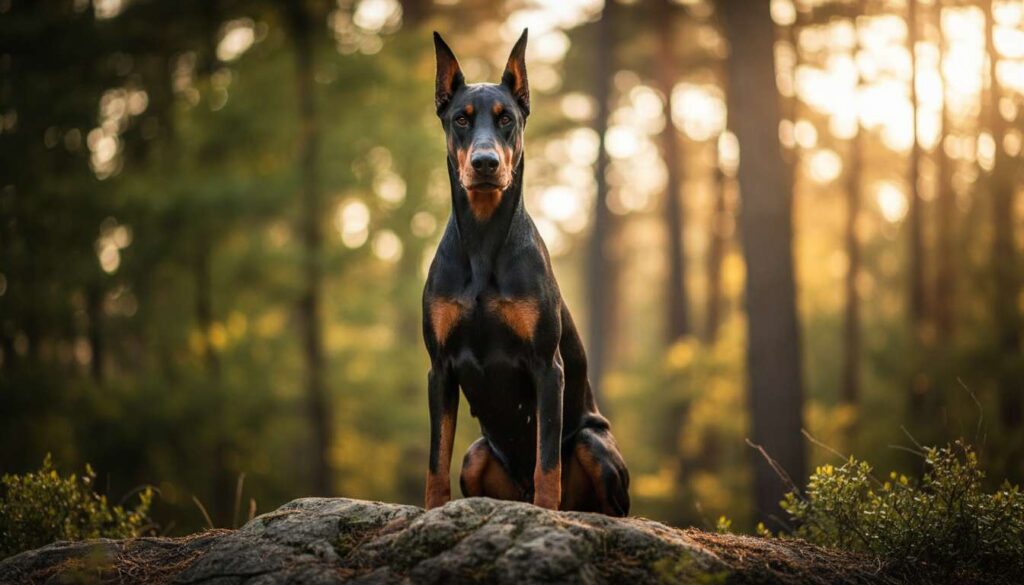
The Dobermann presents a different form of intimidation compared to heavier breeds. Its streamlined physique suggests speed and agility alongside strength, creating the impression of a dog capable of rapid, decisive action. Standing between 63 and 72 centimetres at the shoulder, Dobermanns combine height with lean muscle development.
Historical associations and modern perceptions
Originally bred by German tax collector Louis Dobermann for protection during collections, the breed’s reputation was further shaped by military and police work throughout the twentieth century. These associations reinforced perceptions of:
- Unwavering loyalty to handlers
- Suspicion towards strangers
- Quick reactive capabilities
- Intelligence and trainability for complex tasks
The breed’s alert, upright ears and intense expression contribute to an appearance of constant vigilance that many find unsettling, even when individual dogs display friendly temperaments.
German shepherd: a dog at the service of humans
Versatility and working heritage
German shepherds occupy a unique position as simultaneously trusted companions and potentially intimidating presences. Their widespread use in police work, military operations, and security roles has created dual public perceptions. Weighing between 30 and 40 kilograms, they possess sufficient size and strength to handle demanding tasks whilst maintaining agility.
Recognition and response patterns
The breed’s popularity means most people recognise German shepherds immediately, triggering associations with authority and protection. Their confident movement, erect ears, and focused attention create an impression of purpose that can intimidate those unfamiliar with individual dogs.
Dogs from lesser-known breeds and their distinctive traits
The Caucasian shepherd dog
This massive livestock guardian from the Caucasus Mountains can exceed 75 kilograms, with thick coats and bear-like appearances. Bred to protect flocks from wolves and other predators, Caucasian shepherds display natural suspicion towards strangers and formidable protective instincts that make them genuinely intimidating to those outside their family units.
The Presa Canario
Originating from the Canary Islands, this mastiff-type breed combines substantial size with a history of cattle work and property protection. Presas display:
- Weights frequently exceeding 50 kilograms
- Broad, powerful heads
- Confident, territorial behaviour
- Strong prey drive and protective instincts
The Belgian Malinois
Increasingly popular in military and police applications, Malinois present a lighter, more agile alternative to German shepherds whilst maintaining intense drive and focus. Their reputation for relentless work ethic and quick reactions contributes to growing recognition as formidable working dogs.
Intimidating dog breeds reflect centuries of selective breeding for specific functions that required physical prowess and protective instincts. Whilst individual temperament varies considerably within any breed, certain physical characteristics and historical associations create predictable human responses. Understanding these breeds helps distinguish between legitimate working capabilities and unfounded fears, promoting responsible ownership whilst respecting the genuine power these dogs possess. Recognition of what makes certain breeds intimidating enables more informed interactions and appropriate precautions when necessary.