



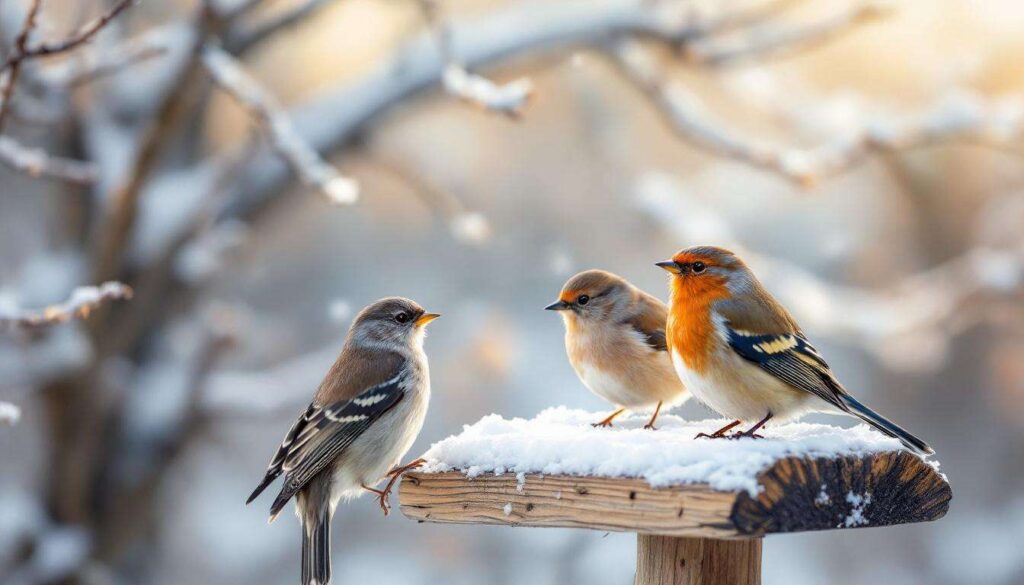
Garden birds face their toughest battle when temperatures plummet and natural food sources become scarce. During the coldest months, these feathered visitors require significantly more energy to maintain their body temperature and survive through long, freezing nights. A simple feeding strategy can make the difference between life and death for many species, and understanding what to provide transforms any outdoor space into a vital winter sanctuary.
The challenge of feeding birds in winter
Natural food scarcity during cold months
Winter presents severe limitations on the availability of natural food sources for garden birds. Insects retreat into hibernation, seeds become buried beneath snow and ice, and berries quickly disappear from bare branches. This dramatic reduction in accessible nutrition forces birds to expend precious energy searching for sustenance across wider territories.
The situation becomes particularly critical during prolonged cold snaps when ground frost prevents access to soil-dwelling invertebrates. Birds that typically forage on lawns and flower beds find themselves unable to penetrate the frozen surface, whilst seed-eating species struggle to locate their preferred foods beneath layers of snow.
Increased energy requirements in freezing conditions
Small birds lose body heat rapidly due to their high surface-area-to-volume ratio, requiring them to consume significantly more calories during winter months. A robin, for instance, must eat approximately one-third of its body weight daily just to survive a single cold night. This extraordinary demand means birds spend nearly every daylight hour foraging.
| Bird Species | Daily Food Requirement (Winter) | Energy Increase vs Summer |
|---|---|---|
| Robin | 33% of body weight | +40% |
| Blue Tit | 30% of body weight | +45% |
| Blackbird | 25% of body weight | +35% |
The shorter daylight hours compound this challenge, leaving birds with fewer opportunities to gather sufficient food before nightfall. Understanding these pressures helps explain why supplementary feeding becomes not merely helpful but essential for survival.
The importance of winter feeding for birds
Supporting survival rates through harsh weather
Research consistently demonstrates that regular supplementary feeding dramatically improves winter survival rates amongst garden bird populations. Studies have shown that well-fed birds maintain better body condition, enabling them to withstand temperature extremes and resist disease more effectively than their unfed counterparts.
The provision of reliable food sources allows birds to conserve energy otherwise spent on extensive foraging. This energy saving proves particularly valuable during severe weather events when natural food becomes completely inaccessible and temperatures drop to dangerous levels.
Preparing birds for breeding season
Winter feeding extends its benefits far beyond immediate survival. Birds that enter spring in good physical condition are better equipped to establish territories, attract mates, and produce healthy offspring. Adequate winter nutrition directly influences breeding success rates and chick survival during the following nesting season.
- Enhanced body condition improves egg production quality
- Well-nourished adults can defend territories more effectively
- Better-fed parents produce stronger, healthier chicks
- Improved immune function reduces disease transmission to offspring
By maintaining feeding stations throughout winter, gardeners contribute to long-term population stability and help ensure thriving bird communities year-round. This foundation of support naturally leads to considering the most effective methods for providing that assistance.
Tips and tricks for effective feeding
Choosing the right feeder locations
Strategic placement of feeding stations maximises their effectiveness whilst ensuring bird safety. Position feeders in sheltered spots that offer protection from prevailing winds and driving rain, yet maintain clear sightlines allowing birds to detect approaching predators. Ideally, locate feeders between two and three metres from dense shrubs or trees, providing quick escape routes without creating ambush opportunities for cats.
Avoid placing feeders directly against walls or fences where birds might become trapped, and ensure sufficient spacing between multiple feeding points to reduce territorial disputes amongst competing species. Rotating feeder positions periodically prevents ground contamination and reduces disease transmission risks.
Maintaining cleanliness and hygiene
Regular cleaning of feeding equipment represents a critical responsibility for anyone providing supplementary food. Accumulated droppings, mouldy food remnants, and general debris create breeding grounds for harmful bacteria and parasites that spread rapidly through bird populations.
- Clean feeders thoroughly every two weeks using mild disinfectant
- Remove and replace wet or contaminated food immediately
- Scrub feeding surfaces with a dedicated brush
- Allow feeders to dry completely before refilling
- Clear fallen food from ground areas regularly
Establishing consistent feeding schedules
Birds quickly learn to rely on dependable food sources and adjust their daily routines accordingly. Establishing a regular refilling schedule ensures birds can plan their foraging efficiently, particularly important during short winter days. Aim to replenish feeders early morning and late afternoon, coinciding with peak feeding times when birds need to fuel up for the night ahead.
Once a feeding programme begins, maintaining consistency becomes vital as birds incorporate these resources into their survival strategies. Having established effective feeding practices, attention must turn to the specific foods that provide maximum nutritional benefit.
Key ingredients to attract birds
High-energy food options
Fat-rich foods deliver the concentrated energy birds desperately need during winter. Suet-based products, including fat balls and suet cakes, provide exceptional caloric density whilst remaining easily digestible even in freezing temperatures. These offerings particularly attract insect-eating species like woodpeckers, nuthatches, and treecreepers.
Sunflower hearts represent another premium choice, offering high oil content without the mess of discarded shells. Their universal appeal draws diverse species whilst the absence of husks reduces ground waste and prevents unwanted plant growth beneath feeders.
Species-specific preferences
| Food Type | Primary Attracted Species | Nutritional Benefit |
|---|---|---|
| Nyjer seeds | Goldfinches, siskins | High oil content |
| Peanuts | Tits, woodpeckers | Protein and fat |
| Mealworms | Robins, wrens | Protein-rich |
| Mixed seeds | Finches, sparrows | Varied nutrients |
Offering varied food types in separate feeders accommodates different feeding behaviours and beak structures, maximising the range of species your garden supports. This diversity ensures that both ground-feeding and aerial-feeding birds find suitable sustenance. Beyond food provision, the physical environment itself requires thoughtful adaptation.
How to adapt your garden for winter
Creating natural shelter and roosting spots
Dense evergreen shrubs and hedges provide essential protection from harsh weather whilst offering safe overnight roosting locations. Species such as holly, ivy, and coniferous plants retain their foliage throughout winter, creating microclimates several degrees warmer than exposed areas. These sheltered zones prove invaluable during severe cold snaps when every degree of warmth contributes to survival.
Consider installing purpose-built roosting boxes designed to accommodate multiple birds huddling together for warmth. Unlike nesting boxes, roosting boxes feature entrance holes near the bottom and internal perches at varying heights, maximising heat retention through shared body warmth.
Preserving seed heads and berries
Resist the urge to achieve complete winter tidiness by cutting back all herbaceous plants. Leaving seed heads on plants like teasels, sunflowers, and ornamental grasses provides natural food sources that birds can access throughout winter. Similarly, berry-bearing shrubs such as cotoneaster, pyracantha, and rowan offer crucial nutrition when other foods become scarce.
- Delay pruning until early spring
- Leave fallen leaves in borders to harbour insects
- Maintain areas of longer grass for ground-feeding species
- Avoid using pesticides that eliminate invertebrate populations
These habitat modifications complement feeding stations by creating a holistic support system that addresses multiple survival needs. Yet one frequently overlooked requirement demands particular attention during freezing conditions.
The crucial role of hydration in winter
The hidden danger of frozen water sources
Whilst food shortages receive considerable attention, water scarcity poses an equally serious threat during winter. Natural water sources freeze solid during cold spells, leaving birds unable to drink or bathe. Dehydration occurs surprisingly quickly, and birds require regular access to liquid water for both drinking and maintaining feather condition essential for insulation.
Dirty or damaged plumage loses its insulating properties, forcing birds to expend additional energy maintaining body temperature. Regular bathing, even in winter, allows birds to keep feathers clean and properly aligned, maximising their thermal efficiency.
Maintaining accessible water supplies
Providing unfrozen water throughout winter requires active management. Place shallow dishes or birdbaths in sheltered locations and check them multiple times daily during freezing weather. Adding a small floating object like a tennis ball helps prevent complete surface freezing by creating movement that disrupts ice formation.
- Use plastic or rubber containers that withstand ice expansion
- Pour warm (not boiling) water to melt existing ice
- Never add salt, antifreeze, or chemicals to prevent freezing
- Position water sources near feeding stations for convenience
- Consider investing in purpose-designed heated birdbaths for severe climates
The depth of water containers matters significantly. Shallow dishes between 2.5 and 5 centimetres deep allow birds to drink and bathe safely without drowning risk, whilst the reduced volume freezes less readily than deeper vessels.
Supporting garden birds through winter requires commitment to providing high-energy foods, maintaining clean feeding stations, and ensuring reliable access to unfrozen water. These straightforward measures collectively create the lifeline that enables diverse bird populations to survive harsh conditions and emerge into spring ready to breed successfully. The simple act of consistent winter feeding delivers profound benefits that extend far beyond the cold months, strengthening entire bird communities and enriching gardens with vibrant avian activity throughout the year.