



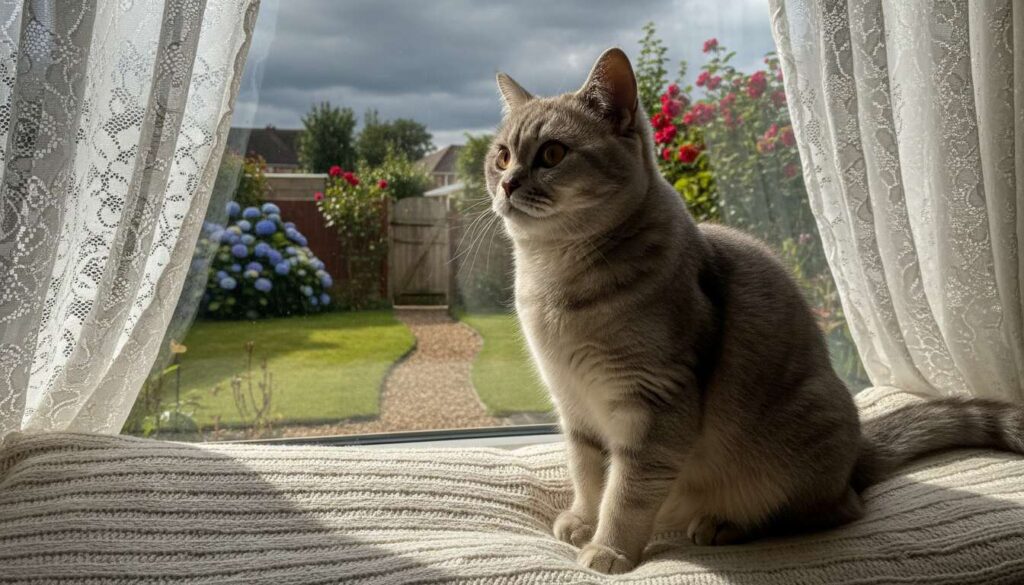
Cat owners across the United Kingdom find themselves at the centre of an increasingly heated discussion that touches upon animal welfare, environmental responsibility, and personal choice. The question of whether feline companions should remain safely indoors or be granted the freedom to explore the outdoors has sparked passionate arguments on both sides. With approximately eleven million domestic cats residing in British households, this issue extends far beyond individual preference, affecting wildlife populations, veterinary health outcomes, and the very nature of cat ownership itself. Understanding the complexities of this debate requires examining scientific evidence, conservation concerns, and the practical realities faced by those who share their homes with these independent creatures.
Indoor vs outdoor cats dispute in the UK
Cultural traditions shaping British cat ownership
The United Kingdom has long maintained a distinctive approach to cat ownership compared to other nations. Historically, British cats have enjoyed considerable freedom to roam neighbourhoods, gardens, and surrounding countryside. This cultural norm contrasts sharply with practices in other regions, where keeping cats exclusively indoors has become the standard. The tradition of allowing cats outdoor access stems from beliefs about natural behaviour and animal autonomy, values deeply embedded in British attitudes towards pet ownership.
Statistical perspectives on confinement practices
Recent data reveals a striking divide in global cat-keeping practices:
| Region | Indoor cats percentage | Outdoor access percentage |
|---|---|---|
| Anglo-Saxon countries | 81% | 19% |
| United Kingdom | Variable | Significantly higher |
These figures demonstrate that whilst many nations have embraced indoor-only arrangements, British cat owners maintain a more permissive approach. The disparity reflects differing priorities regarding animal welfare, safety concerns, and environmental considerations.
Voices from both sides of the argument
Advocates for outdoor access argue that cats possess innate hunting instincts and territorial behaviours that cannot be fully satisfied within four walls. They contend that denying cats the opportunity to explore constitutes a form of deprivation. Conversely, supporters of indoor living emphasise the measurable safety benefits and reduced stress on wildlife populations. This fundamental disagreement about what constitutes proper care continues to generate considerable tension within the cat-owning community.
As these philosophical differences persist, attention naturally turns to the concrete advantages and disadvantages associated with each approach.
Pros and cons of keeping a cat indoors
Health and longevity advantages
Scientific research provides compelling evidence regarding lifespan differences. Indoor cats typically live between fourteen and twenty years, whilst those with outdoor access face dramatically reduced life expectancies of merely two to five years. This substantial discrepancy results from multiple risk factors that indoor cats simply do not encounter. Protected from traffic accidents, territorial disputes, and exposure to infectious diseases, confined cats enjoy significantly enhanced survival rates.
Safety hazards eliminated through confinement
Keeping cats indoors removes numerous dangers:
- Road traffic collisions, a leading cause of feline mortality
- Fights with other cats resulting in injuries and disease transmission
- Encounters with predators or aggressive dogs
- Accidental poisoning from garden chemicals or toxic plants
- Risk of becoming lost or stolen
These eliminated hazards contribute directly to the extended lifespans observed in indoor populations.
Potential drawbacks of indoor living
Despite safety benefits, indoor confinement presents challenges. Cats may experience behavioural problems including obesity, depression, and destructive tendencies if their environment lacks adequate stimulation. Without proper enrichment, confined cats can develop stress-related conditions and exhibit undesirable behaviours such as excessive vocalisation or inappropriate elimination. Creating a fulfilling indoor environment requires considerable commitment from owners to provide mental and physical stimulation through play, climbing structures, and environmental variety.
Understanding these trade-offs leads naturally to examining the broader ecological implications of outdoor cat populations.
Impacts on local wildlife: the responsibility of cat owners
Predation statistics and conservation concerns
The eleven million domestic cats residing in the United Kingdom represent a substantial predatory force within local ecosystems. Research indicates that cats hunt instinctively regardless of hunger, with each outdoor cat potentially killing dozens of birds, small mammals, and reptiles annually. This predation pressure particularly affects vulnerable species already facing habitat loss and climate change challenges. Conservation organisations have raised alarms about the cumulative impact of domestic cat hunting on declining wildlife populations.
Public awareness and concern
A recent survey revealed that fifty-one percent of respondents expressed worry about cats’ effects on wildlife. This growing awareness reflects increased understanding of ecological interconnections and the role domestic animals play in biodiversity loss. Many cat owners find themselves grappling with the uncomfortable reality that their beloved pets contribute to environmental harm.
Mitigating ecological damage
Cat owners concerned about wildlife can implement several strategies:
- Fitting cats with bells or reflective collars to warn prey
- Restricting outdoor access during dawn and dusk when wildlife is most active
- Creating enclosed outdoor spaces that prevent hunting
- Keeping cats indoors during breeding seasons for birds
These measures acknowledge the legitimate concerns about ecological impact whilst attempting to balance cats’ needs for outdoor stimulation.
Beyond environmental considerations, the psychological and physical wellbeing of cats themselves demands careful examination.
Consequences on well-being and quality of life
Natural behaviours and mental stimulation
Cats evolved as territorial hunters with complex behavioural needs. Outdoor access allows them to engage in instinctive activities including stalking, climbing, patrolling territory, and social interactions with other cats. These behaviours provide mental stimulation and physical exercise that can be difficult to replicate indoors. Proponents of outdoor access argue that denying these opportunities compromises feline psychological health and overall quality of life.
Indoor enrichment strategies
Creating a satisfying indoor environment requires deliberate effort:
- Multiple vertical spaces including cat trees and wall-mounted shelves
- Interactive toys that simulate hunting behaviours
- Window perches providing visual stimulation
- Regular play sessions with owners
- Puzzle feeders that engage problem-solving abilities
- Rotating toys to maintain novelty and interest
These interventions help indoor cats express natural behaviours within safe confines, though opinions differ on whether they adequately substitute for outdoor experiences.
Individual variation in adaptation
Not all cats respond identically to indoor living. Some felines adapt readily, showing no signs of distress or behavioural problems. Others display clear frustration and stress when confined. Factors including age, previous experience, breed characteristics, and individual temperament influence how well cats adjust to indoor-only lifestyles. Recognising these differences proves essential for making appropriate decisions.
Given these varied considerations, cat owners require practical guidance for making informed choices.
Guidelines for deciding to let your cat out
Assessing your local environment
The suitability of outdoor access depends heavily on geographical context. Owners should evaluate several factors:
- Traffic volume and proximity to busy roads
- Density of cat population in the neighbourhood
- Presence of wildlife that requires protection
- Availability of gardens or green spaces
- Local crime rates and risks of theft
Urban environments with heavy traffic present substantially greater risks than quiet rural settings, though rural areas may pose different challenges including encounters with wildlife and greater distances if cats become lost.
Considering your cat’s characteristics
Individual feline traits should influence decisions. Cats raised exclusively indoors from kittenhood typically adapt well to continued confinement and may lack the street awareness necessary for safe outdoor navigation. Elderly cats or those with medical conditions benefit from the controlled environment indoors provides. Conversely, cats accustomed to outdoor access often struggle significantly when suddenly confined.
Compromise solutions worth exploring
Several middle-ground approaches exist:
| Option | Description | Benefits |
|---|---|---|
| Supervised outdoor time | Accompanied garden access | Safety with stimulation |
| Enclosed catios | Secure outdoor structures | Fresh air without risks |
| Harness training | Leashed outdoor walks | Controlled exploration |
| Limited hours | Restricted outdoor periods | Reduced exposure to dangers |
These alternatives allow owners to provide outdoor experiences whilst maintaining greater control over safety and environmental impact.
Regardless of the chosen approach, implementing protective measures remains essential.
Protecting your cat and its environment: practical advice
Essential safety measures for outdoor cats
Owners permitting outdoor access should implement fundamental precautions. Microchipping provides permanent identification if cats become lost, whilst collar identification tags offer immediate contact information. Regular veterinary care including vaccinations against infectious diseases and parasite prevention protects health. Neutering reduces roaming behaviour, fighting, and unwanted reproduction whilst also diminishing hunting drive to some extent.
Creating stimulating indoor environments
For cats living exclusively indoors, environmental enrichment becomes paramount:
- Establish multiple feeding stations to encourage movement
- Provide scratching posts in various locations and materials
- Create hiding spots and elevated resting areas
- Introduce safe plants like cat grass for sensory variety
- Play recordings of bird sounds or nature videos designed for cats
- Dedicate time daily for interactive play sessions
These elements help satisfy behavioural needs and prevent the boredom that leads to problematic behaviours.
Balancing freedom with responsibility
Ultimately, cat ownership requires acknowledging the tension between feline autonomy and broader responsibilities. Owners must weigh their cats’ quality of life against safety concerns and environmental impact. This decision-making process should involve honest assessment of local conditions, individual cat characteristics, and personal capacity to provide enrichment. Regular evaluation allows adjustments as circumstances change, ensuring arrangements continue meeting both feline needs and ethical obligations.
The debate surrounding indoor versus outdoor cats reflects broader questions about human relationships with domestic animals and the natural world. Cat owners face the challenging task of balancing their pets’ wellbeing with wildlife conservation and safety considerations. Research clearly demonstrates that indoor cats enjoy significantly longer lifespans, protected from traffic, disease, and conflict. However, confinement requires substantial commitment to environmental enrichment to prevent behavioural problems and maintain psychological health. The ecological impact of outdoor cats on vulnerable wildlife populations cannot be dismissed, particularly given the millions of cats residing across the United Kingdom. Practical solutions including supervised outdoor time, enclosed spaces, and comprehensive indoor enrichment offer compromise approaches. Ultimately, responsible cat ownership demands thoughtful consideration of local environment, individual feline temperament, and the capacity to meet complex needs regardless of the chosen arrangement.