



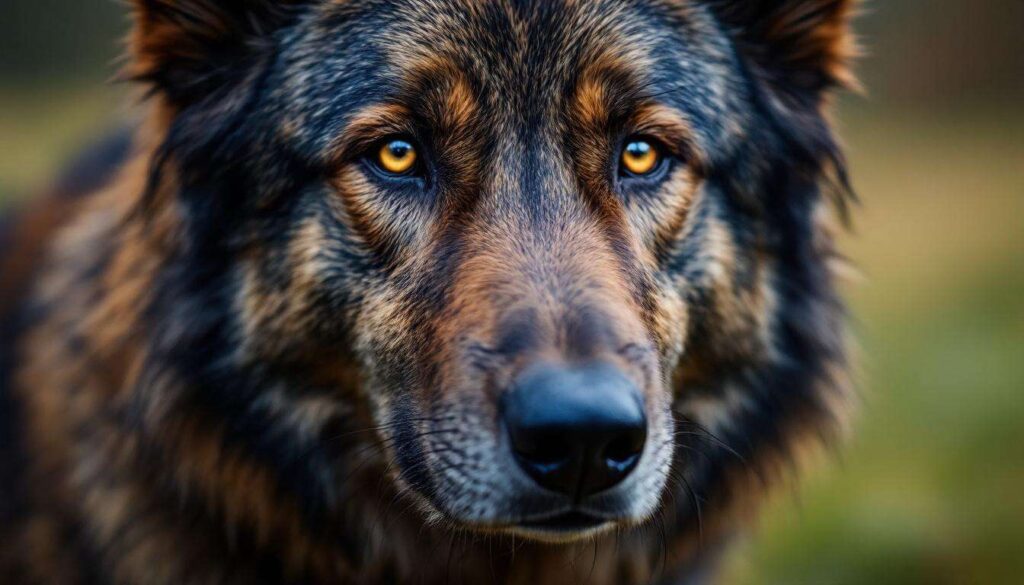
Domestic dogs have long been considered humanity’s most loyal companions, yet their genetic heritage remains a subject of intense scientific scrutiny. Recent research has unveiled a remarkable finding that challenges conventional understanding of canine evolution: most modern dog breeds carry traces of wolf DNA that were previously undetected. This groundbreaking discovery sheds new light on the complex relationship between domesticated dogs and their wild ancestors, revealing genetic connections that have persisted through millennia of selective breeding. The implications extend far beyond academic curiosity, potentially reshaping approaches to canine health, behaviour management, and breeding practices worldwide.
Revolutionary discovery: wolf DNA in dogs
Scientists from leading research institutions have identified previously hidden wolf genetic sequences embedded within the genomes of contemporary dog breeds. This discovery emerged from advanced genomic analysis techniques that can detect ancestral DNA segments with unprecedented precision. The research team examined genetic material from over hundreds of dog breeds across multiple continents, comparing their genomes against those of grey wolves from various geographical regions.
Key findings from the research
The investigation revealed that wolf-derived genetic material appears in breeds ranging from tiny companion dogs to large working animals. These genetic traces are not remnants from initial domestication events but rather evidence of more recent genetic exchanges between wild wolf populations and domesticated dogs. The findings suggest that gene flow between these species occurred more frequently than previously assumed, particularly in regions where wolves and dogs coexisted in close proximity.
| Breed category | Wolf DNA percentage | Geographic origin |
|---|---|---|
| Northern breeds | 12-18% | Arctic regions |
| Working dogs | 8-14% | European mountains |
| Companion breeds | 3-7% | Various locations |
Understanding these genetic connections provides essential context for exploring the methodologies employed by researchers in making this remarkable discovery.
Research methods: how did scientists proceed ?
The research team utilised cutting-edge genomic sequencing technologies combined with sophisticated computational analysis to identify wolf DNA signatures. This multi-layered approach involved collecting samples from diverse canine populations and comparing them against comprehensive wolf genome databases.
Technical approaches employed
Scientists applied several advanced techniques to uncover these hidden genetic sequences:
- Whole-genome sequencing to map complete DNA structures
- Comparative genomics to identify species-specific markers
- Phylogenetic analysis to trace evolutionary relationships
- Statistical modelling to determine gene flow patterns
- Ancient DNA extraction from archaeological specimens
Sample collection and analysis
The research required extensive collaboration between international institutions. Scientists gathered biological samples from domesticated dogs living in regions historically inhabited by wolves, as well as from museum specimens and archaeological sites. Each sample underwent rigorous quality control procedures before genomic analysis. The computational infrastructure necessary for processing this volume of genetic data represented a significant technological achievement, requiring supercomputing resources to identify subtle genetic variations.
These sophisticated methodologies enabled researchers to understand not merely the presence of wolf DNA but also its functional significance within modern dog populations.
Significance of wolf DNA for canine breeds
The presence of wolf genetic material in domestic dogs carries profound implications for understanding breed characteristics and evolutionary history. These genetic sequences are not randomly distributed but rather concentrated in specific genomic regions associated with particular traits.
Breed-specific patterns
Different dog breeds exhibit varying concentrations of wolf DNA, with northern and working breeds showing the highest percentages. Breeds developed for tasks requiring endurance, cold tolerance, or independent decision-making demonstrate particularly strong wolf genetic signatures. This suggests that breeders may have inadvertently selected for traits that originated from wolf ancestry.
Functional genetic regions
The wolf DNA segments identified by researchers are frequently located in genomic regions controlling:
- Metabolic efficiency and energy utilisation
- Immune system function and disease resistance
- Sensory perception including olfactory capabilities
- Thermoregulation and adaptation to cold climates
- Cognitive functions related to problem-solving
These genetic contributions have tangible effects on how dogs behave and maintain their health throughout their lives.
Impact on dog behaviour and health
The discovery of wolf DNA in domestic dogs provides valuable insights into behavioural patterns and health predispositions that veterinarians and animal behaviourists have long observed but struggled to explain genetically.
Behavioural influences
Certain behavioural tendencies in domestic dogs may be directly attributable to wolf genetic heritage. Dogs with higher concentrations of wolf DNA often exhibit enhanced pack awareness, stronger territorial instincts, and more sophisticated communication through body language. These traits, whilst sometimes challenging for owners, represent adaptive behaviours that served wolves well in their natural environments.
Health implications
The wolf genetic component appears to confer protective health benefits in some cases. Dogs with wolf DNA segments in immune-related genes show increased resistance to certain infectious diseases and parasites. However, this genetic heritage may also contribute to specific health challenges, particularly in breeds where wolf genes interact with mutations introduced through selective breeding.
| Health aspect | Wolf DNA influence | Clinical significance |
|---|---|---|
| Immune response | Enhanced pathogen resistance | Reduced infection rates |
| Metabolic efficiency | Improved nutrient utilisation | Better weight management |
| Joint health | Variable effects | Breed-dependent outcomes |
These findings open new avenues for canine genetics research and practical breeding applications.
Implications for canine genetics and breeding
This discovery fundamentally alters the landscape of canine breeding practices and genetic conservation efforts. Breeders and geneticists must now consider wolf ancestry when making decisions about breed development and health management.
Breeding programme adjustments
Responsible breeders are beginning to incorporate genetic testing for wolf DNA markers into their selection processes. Understanding which dogs carry beneficial wolf genetic sequences allows for more informed breeding decisions that can enhance breed health whilst preserving desired characteristics. This approach requires sophisticated genetic counselling and careful record-keeping to track ancestry patterns across generations.
Genetic diversity considerations
The presence of wolf DNA represents a valuable source of genetic diversity within dog populations. Many purebred lines suffer from reduced genetic variation due to intensive selective breeding, leading to increased disease susceptibility. Wolf genetic contributions may provide opportunities to introduce beneficial genetic variation without compromising breed standards, though this approach requires careful scientific oversight.
Looking ahead, this research opens fascinating questions about the future direction of canine genetics and evolutionary studies.
Future perspectives: what does this discovery hold for science ?
The identification of hidden wolf DNA in dogs represents merely the beginning of a broader scientific exploration into canine evolution and domestication processes. Researchers are now pursuing multiple avenues of investigation that build upon these initial findings.
Ongoing research directions
Scientists are conducting studies to determine:
- Precise timing of wolf-dog genetic exchanges throughout history
- Geographic patterns of gene flow between species
- Functional consequences of specific wolf genetic variants
- Potential applications in veterinary medicine
- Conservation implications for wild wolf populations
Technological advances
Future research will benefit from emerging technologies in genomics and computational biology. Advanced machine learning algorithms may identify additional hidden genetic patterns, whilst improved ancient DNA techniques could reveal how wolf-dog interactions evolved over thousands of years. These tools promise to refine understanding of domestication as a dynamic, ongoing process rather than a singular historical event.
This groundbreaking research has fundamentally transformed scientific understanding of the genetic relationship between wolves and dogs. The discovery that most modern dog breeds harbour previously undetected wolf DNA challenges long-held assumptions about canine domestication and breed development. Through sophisticated genomic analysis, researchers have revealed that genetic exchange between wolves and dogs occurred more recently and extensively than previously recognised. These findings carry significant implications for canine health, behaviour, and breeding practices, offering new opportunities to enhance breed welfare through informed genetic management. As research continues, the scientific community anticipates further revelations about the complex evolutionary journey that transformed wolves into humanity’s most diverse domesticated species.