



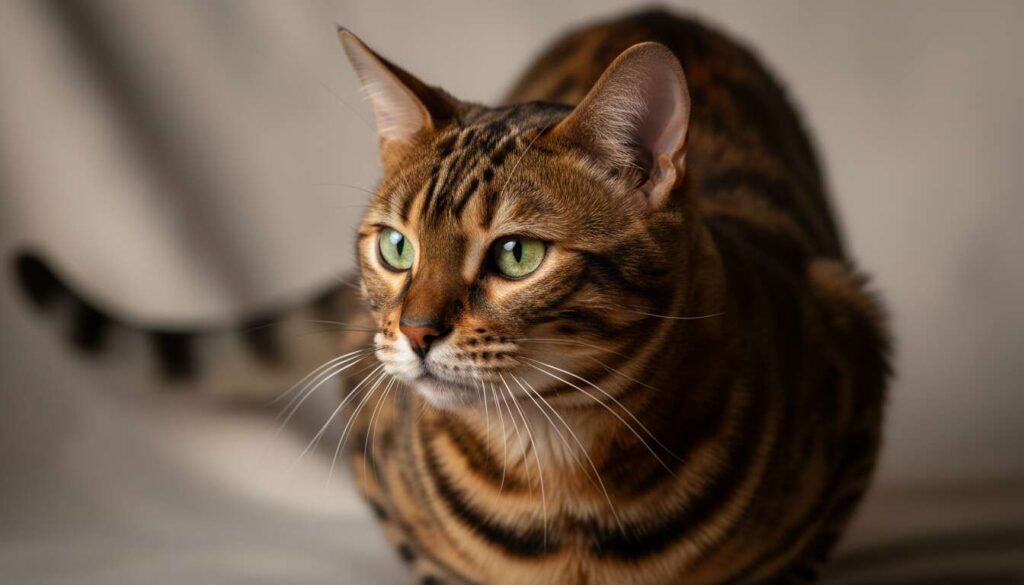
The landscape of cat ownership in Britain has undergone a remarkable transformation. For the first time in the nation’s history, pedigree cats have overtaken rescue cats in terms of acquisitions, marking a pivotal moment in how people choose their feline companions. Recent data reveals that 45% of cats acquired between March 2023 and March 2024 were purebreds, whilst only 43% were rescue cats or moggies. This shift, representing approximately 715,000 pedigree cats compared to 685,000 rescue cats, signals a fundamental change in consumer preferences that has significant implications for animal welfare organisations, breeders, and the cats themselves.
Sales of pedigree cats: a rising trend
The statistical evidence of changing preferences
The fifth annual Cats and Their Stats Report, compiled from responses by over 10,000 participants, provides compelling evidence of this trend. The figures demonstrate that pedigree cat acquisitions have surged whilst rescue cat adoptions have plateaued or declined. This represents a dramatic reversal of historical patterns, where rescue cats traditionally dominated the pet acquisition landscape.
| Cat Type | Number Acquired (2023-2024) | Percentage |
|---|---|---|
| Pedigree cats | 715,000 | 45% |
| Rescue cats (moggies) | 685,000 | 43% |
| Other/Unknown | 190,000 | 12% |
Demographic factors driving pedigree popularity
The demand for pedigree cats appears particularly pronounced amongst younger demographics, who are increasingly drawn to specific breeds with distinctive physical characteristics. Popular breeds include:
- British Shorthairs, prized for their plush coats and round faces
- Bengal cats, admired for their exotic spotted patterns
- Scottish Folds, recognised for their unique folded ears
- Ragdolls, valued for their docile temperament and striking blue eyes
- Maine Coons, sought after for their impressive size and sociable nature
This growing fascination with specific breeds reflects broader consumer trends towards customisation and aesthetic preferences in pet ownership. The shift in purchasing patterns naturally raises questions about what this means for organisations dedicated to rescuing and rehoming abandoned cats.
Impact on rescue and rehoming associations
Challenges facing animal welfare charities
Rescue organisations are confronting unprecedented challenges as the preference for pedigree cats intensifies. Whilst Cats Protection has not reported a surge in pedigree cats being surrendered to shelters, the overall landscape remains concerning. The RSPCA has noted record numbers of animals requiring rescue, suggesting that the trend towards pedigree purchases may be contributing to a two-tier system in cat ownership.
Resource allocation and adoption rates
The implications for rescue centres are multifaceted:
- Reduced adoption rates for moggies as potential owners opt for purchased pedigrees
- Increased length of stay for rescue cats awaiting homes
- Financial strain on charities as operational costs rise whilst adoption fees decline
- Greater competition for public attention and charitable donations
- Pressure to market rescue cats more effectively against pedigree alternatives
Many rescue organisations are now adapting their strategies, emphasising the unique personalities and health advantages of mixed-breed cats. However, competing against the allure of designer breeds promoted through social media presents a formidable challenge. These shifting dynamics inevitably affect not just adoption statistics but the fundamental welfare of the cats themselves.
Consequences on the health and well-being of cats
Genetic health concerns in pedigree breeding
The surge in pedigree cat sales raises significant concerns about feline health and welfare. Purebred cats are substantially more susceptible to inherited diseases due to selective breeding practices that prioritise physical appearance over genetic diversity. Common health issues include:
- Polycystic kidney disease in Persian and British Shorthair breeds
- Hypertrophic cardiomyopathy affecting Maine Coons and Ragdolls
- Respiratory problems in flat-faced breeds such as Persians
- Joint disorders in Scottish Folds due to cartilage abnormalities
- Progressive retinal atrophy leading to blindness in certain lines
The welfare implications of breeding practices
The emphasis on specific physical traits has led to breeding practices that may compromise animal welfare. Cats bred for extreme features often experience chronic health problems throughout their lives, resulting in increased veterinary costs and reduced quality of life. In contrast, mixed-breed rescue cats typically benefit from greater genetic diversity, which generally translates to fewer inherited health conditions and increased resilience.
Understanding why prospective owners gravitate towards pedigree cats despite these concerns requires examining the motivations and influences shaping their decisions.
Why do prospective owners prefer pedigree cats ?
The appeal of predictability and aesthetics
Several factors contribute to the growing preference for pedigree cats amongst UK pet owners. The primary motivations include:
- Predictable physical characteristics and size
- Anticipated temperament traits associated with specific breeds
- Aesthetic appeal and distinctive appearance
- Social status and the prestige of owning a recognised breed
- Perceived value and investment in a purchased animal
- Desire for a kitten rather than an adult rescue cat
Celebrity influence and aspirational ownership
The influence of celebrities and public figures showcasing their designer pets cannot be understated. High-profile individuals displaying their pedigree cats create aspirational models of pet ownership that resonate particularly strongly with younger audiences. This phenomenon transforms cats from companions into lifestyle accessories, where breed selection becomes an expression of personal identity and social standing.
The question now arises whether the current largely unregulated breeding industry requires greater oversight to protect both cats and consumers.
Regulation of cat breeding: a necessity ?
Current regulatory landscape
Unlike dog breeding, which faces more stringent regulations in many jurisdictions, cat breeding in the UK operates with relatively limited oversight. Current regulations require breeders selling cats as a business to obtain a licence, but enforcement remains inconsistent and loopholes exist for smaller-scale operations.
Arguments for enhanced regulation
Animal welfare advocates argue that stronger regulatory frameworks are essential to address:
- Genetic testing requirements to reduce inherited diseases
- Mandatory health screening for breeding cats
- Limitations on breeding cats with extreme physical features
- Improved traceability and registration systems
- Enhanced enforcement mechanisms and penalties for violations
- Consumer protection through transparency in breeding practices
Implementing comprehensive regulations could help ensure that the welfare of cats remains paramount as commercial breeding expands. However, the mechanisms driving demand for specific breeds extend beyond traditional marketing into the digital realm.
The role of social media in popularising cat breeds
Digital platforms as breed ambassadors
Social media platforms have become powerful engines for popularising specific cat breeds. Instagram, TikTok, and YouTube feature countless accounts dedicated to photogenic pedigree cats, accumulating millions of followers and generating substantial engagement. These digital presences create:
- Viral content showcasing breed-specific characteristics
- Aspirational lifestyle imagery associating breeds with desirable aesthetics
- Direct connections between breeders and potential buyers
- Normalisation of purchasing rather than adopting cats
- Breed-specific communities reinforcing ownership decisions
The amplification effect of influencer culture
The influencer economy has transformed how people perceive and acquire pets. When popular content creators showcase their pedigree cats, they inadvertently function as breed ambassadors, driving demand for specific varieties. This digital ecosystem operates largely outside traditional advertising regulations, making it difficult to counter with messages promoting rescue cat adoption.
The unprecedented shift towards pedigree cat ownership represents a complex intersection of cultural, economic, and technological factors. The data confirms that for the first time, purchased purebreds have overtaken rescue cats in acquisitions, fundamentally altering the landscape of feline companionship in Britain. This transformation carries significant implications for animal welfare organisations struggling with reduced adoption rates, for cats themselves who may suffer from health issues associated with selective breeding, and for the broader ethical questions surrounding how society values and acquires companion animals. Addressing these challenges will require coordinated efforts amongst regulators, breeders, welfare organisations, and prospective owners to ensure that the welfare of all cats remains the paramount consideration, regardless of their pedigree status or origin.