



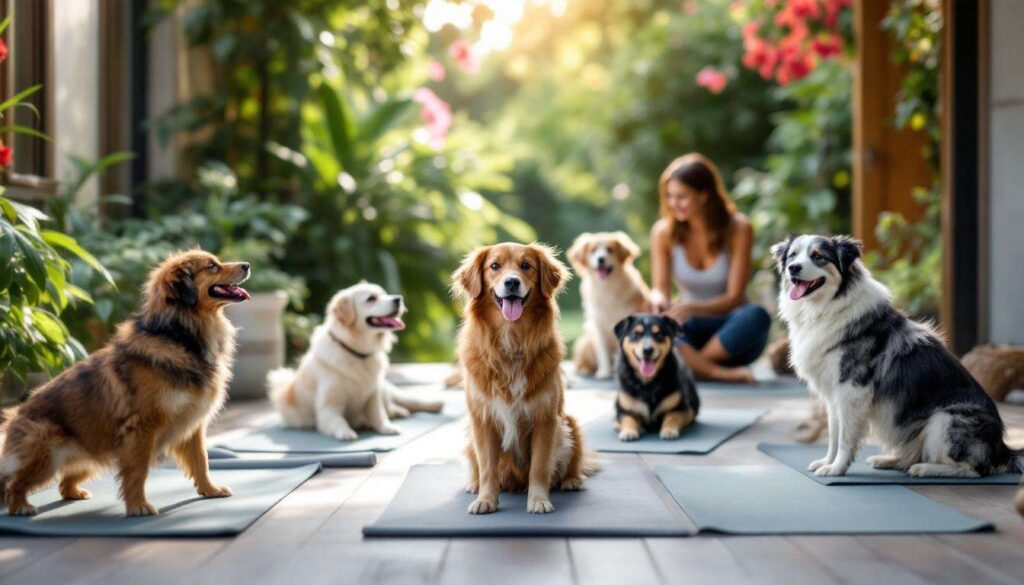
The relationship between British pet owners and their dogs has evolved considerably, with a marked shift towards holistic wellness practices. Across the UK, more dog owners are booking specialised sessions including yoga, sound baths and meditation for their four-legged companions. This growing trend reflects a broader cultural movement towards mindful living and preventative care, extending beyond human wellness into the realm of animal health. As pet owners seek innovative ways to enhance their dogs’ quality of life, these alternative therapies are gaining traction in urban centres and rural communities alike.
The rise of sound baths for dogs in the UK
Understanding canine sound therapy
Sound baths for dogs have emerged as one of the most popular alternative wellness practices in the UK. These sessions involve therapeutic sound frequencies created through instruments such as singing bowls, gongs and tuning forks. The vibrations produced during these sessions are designed to create a calming auditory environment that resonates with canine nervous systems. Unlike traditional training methods, sound baths focus on sensory relaxation rather than behavioural correction.
Scientific basis and measurable outcomes
Research into canine responses to sound therapy has revealed several physiological benefits. Studies indicate that low-frequency vibrations can reduce cortisol levels in dogs, particularly those experiencing anxiety or stress. The therapeutic effects include:
- Decreased heart rate during and after sessions
- Reduced panting and restless behaviour
- Improved sleep patterns following regular exposure
- Enhanced emotional regulation in reactive dogs
Commercial growth and urban adoption
Major cities including London, Manchester and Edinburgh now host regular sound bath events specifically designed for dogs and their owners. Venues ranging from specialist wellness centres to converted studios offer these sessions, with prices typically ranging between £25 and £45 per session. According to recent surveys, 13% of British dog owners have expressed interest in trying sound baths for their pets, representing a significant market expansion.
| City | Average session cost | Monthly bookings |
|---|---|---|
| London | £35-£45 | 850+ |
| Manchester | £28-£38 | 420+ |
| Edinburgh | £30-£40 | 310+ |
This growing interest in sound therapy naturally leads to questions about the broader motivations driving British owners towards alternative wellness practices for their pets.
Why British owners choose meditation for their pets
Addressing behavioural challenges
Many dog owners turn to meditation practices as a response to specific behavioural issues. Dogs suffering from separation anxiety, noise phobias or hyperactivity often benefit from structured relaxation techniques. Pet meditation sessions typically involve guided breathing exercises where owners model calm behaviour whilst their dogs rest in close proximity. The shared experience creates a bonding opportunity whilst simultaneously addressing stress-related problems.
Preventative health approach
British pet owners are increasingly adopting preventative health strategies for their dogs. Rather than waiting for problems to develop, proactive owners incorporate meditation into daily routines. This approach aligns with broader wellness trends emphasising mental health maintenance rather than reactive treatment. Survey data indicates that 52% of UK dog owners now prioritise preventive supplements and therapies, with meditation featuring prominently among these choices.
Cultural shift towards mindful pet ownership
The rise of meditation for dogs reflects changing attitudes towards animal consciousness and emotional needs. Contemporary British pet owners recognise that dogs experience complex emotional states requiring attention beyond basic physical care. This cultural evolution has been influenced by:
- Increased awareness of canine cognitive abilities
- Growing acceptance of mental health concepts in veterinary care
- Social media communities sharing positive outcomes
- Professional endorsements from animal behaviourists
As meditation gains acceptance, another physical practice has simultaneously captured the attention of British dog owners seeking comprehensive wellness solutions.
The benefits of yoga for four-legged companions
Doga: adapting human practice for canines
Dog yoga, commonly termed “doga”, adapts traditional yoga principles for canine participants. These sessions incorporate gentle stretching, massage and supported poses that accommodate dogs’ natural movement patterns. Unlike human yoga, doga emphasises passive participation where dogs remain relaxed whilst owners perform modified poses that include their pets. The practice focuses on creating a calm environment rather than achieving specific postures.
Physical and joint health improvements
Regular doga sessions offer tangible physical benefits for dogs, particularly older animals or breeds prone to joint issues. The gentle movements help maintain flexibility and muscle tone without placing excessive strain on joints. Veterinary physiotherapists have observed improvements in:
- Range of motion in older dogs
- Muscle tension reduction
- Improved circulation
- Enhanced body awareness
Bonding through shared practice
Doga sessions strengthen the human-animal bond through shared relaxation time. The close physical contact and focused attention during sessions enhance trust and communication between owners and dogs. Survey findings indicate that 15% of British dog owners are considering doga classes, representing substantial growth potential in this sector.
| Benefit category | Percentage reporting improvement |
|---|---|
| Reduced anxiety | 78% |
| Better joint mobility | 65% |
| Enhanced bonding | 82% |
| Improved behaviour | 71% |
For owners interested in these practices but unable to attend organised classes, home-based alternatives offer accessible entry points.
How to organise a dog meditation session at home
Creating the appropriate environment
Successful home meditation sessions require careful environmental preparation. Choose a quiet room with minimal distractions, ensuring comfortable temperature and soft lighting. Essential elements include:
- Comfortable mat or blanket for the dog
- Dim lighting or natural light
- Removal of stimulating toys or food
- Quiet background music or silence
Establishing routine and duration
Dogs respond positively to consistent routines, making regular scheduling essential. Begin with brief five-minute sessions, gradually extending duration as the dog becomes accustomed to the practice. Optimal times include early morning or evening when household activity naturally decreases. The key lies in patience and repetition rather than immediate results.
Techniques for guided canine relaxation
Effective home meditation involves simple techniques that encourage natural relaxation responses. Owners should sit calmly beside their dog, maintaining gentle physical contact through light stroking or hand placement. Slow, deliberate breathing by the owner often influences the dog’s respiratory rate. Some practitioners incorporate:
- Soft verbal cues repeated consistently
- Gentle massage of pressure points
- Gradual reduction of physical contact as the dog settles
- Positive reinforcement through calm praise
Whilst home practice offers convenience, dedicated wellness retreats provide immersive experiences that have gained considerable popularity throughout the UK.
Dog wellness retreats are multiplying in the UK
Comprehensive retreat programmes
Specialised dog wellness retreats now operate across the UK, offering multi-day programmes combining various holistic therapies. These facilities typically provide accommodation for both dogs and owners, creating immersive experiences focused on canine wellbeing. Programmes often include sound baths, yoga sessions, meditation workshops and nutritional consultations, alongside traditional activities such as countryside walks.
Geographic distribution and accessibility
Retreat centres have established themselves in rural locations throughout England, Scotland and Wales, capitalising on natural settings conducive to relaxation. The Cotswolds, Lake District and Scottish Highlands host several prominent facilities. Urban dwellers particularly appreciate these escapes, with booking data showing 44% of participants travelling from major cities.
Investment and pricing structures
Weekend wellness retreats typically cost between £300 and £600 per dog-owner pair, depending on accommodation standards and programme intensity. This investment aligns with broader spending patterns, as British dog owners plan to allocate an average of £900 annually on pet health. The retreat sector represents a growing proportion of this expenditure.
| Retreat duration | Average cost | Typical inclusions |
|---|---|---|
| Day retreat | £85-£120 | 3 sessions, lunch |
| Weekend | £300-£450 | 6 sessions, accommodation, meals |
| Week-long | £800-£1200 | 15+ sessions, full board |
The experiences gained at these retreats and in individual sessions have generated numerous accounts from participants willing to share their observations.
Testimonials: shared relaxation experiences between dogs and owners
Transformative outcomes reported
Participants in dog wellness programmes consistently report meaningful improvements in their pets’ behaviour and their own stress levels. One owner described how sound bath sessions helped their rescue dog overcome noise sensitivity, noting visible relaxation during thunderstorms. Another participant observed that regular doga practice significantly reduced their elderly dog’s joint stiffness, improving mobility and quality of life.
Unexpected benefits beyond initial goals
Many owners discover unanticipated advantages extending beyond their primary motivations. The shared relaxation time strengthens emotional bonds, with several participants noting improved communication and responsiveness from their dogs. Others report that the practices have enhanced their own wellbeing, creating mutual benefits that justify continued participation.
Community building through shared practice
Group sessions foster supportive communities among like-minded pet owners. These connections provide ongoing encouragement and practical advice, extending benefits beyond individual sessions. Social aspects have proven particularly valuable for owners of dogs with behavioural challenges, reducing feelings of isolation whilst providing peer support.
The convergence of holistic wellness practices with pet care represents a significant shift in British attitudes towards animal wellbeing. Sound baths, meditation and yoga for dogs have transitioned from niche experiments to mainstream options, supported by both anecdotal evidence and emerging research. As 97% of UK dog owners commit to enhancing their pets’ lives through various resolutions, alternative therapies occupy an increasingly prominent position. The substantial financial investment, averaging £900 annually per dog, demonstrates genuine commitment rather than passing interest. Whether through professional retreats, urban wellness centres or home practice, these approaches offer accessible pathways for owners seeking comprehensive care for their canine companions, addressing both physical health and emotional balance in an integrated manner.