



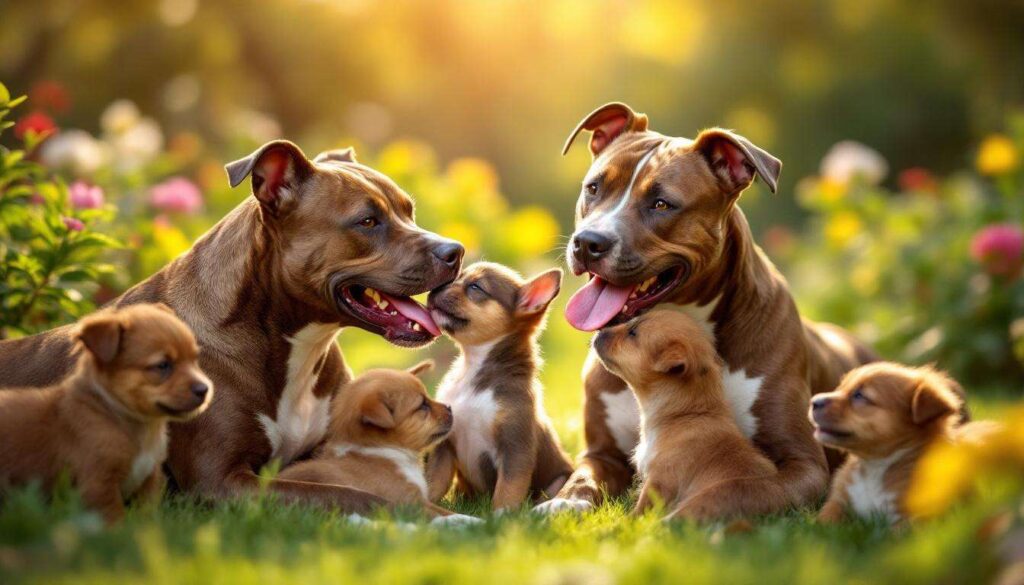
The sight of a large, muscular pit bull carefully approaching a tiny, wobbly foster puppy creates a striking contrast that captures the hearts of animal lovers everywhere. These encounters, increasingly documented and shared across social media platforms, showcase a gentler side of a breed often misunderstood by the public. The overwhelming joy displayed by pit bulls when meeting foster puppies reveals not only their affectionate nature but also highlights the importance of proper socialisation and the vital work undertaken by foster families. These moments of connection demonstrate how dogs of different sizes, ages, and backgrounds can form meaningful bonds that benefit their emotional development and overall wellbeing.
Heartwarming meeting between pit bulls and foster puppies
The initial encounter
When resident pit bulls first catch sight of foster puppies entering their home, their reactions range from excited tail wagging to gentle curiosity. Many owners report that their pit bulls instinctively lower themselves to the ground, making their imposing frames less intimidating to the tiny newcomers. This natural behaviour demonstrates an innate understanding of size differences and a desire to appear non-threatening. The puppies, despite their diminutive stature, often respond with surprising confidence, tottering towards these gentle giants with tails wagging furiously.
Observable behaviours during first contact
The interaction between pit bulls and foster puppies typically follows recognisable patterns that reveal the emotional intelligence of both parties:
- Careful sniffing and gentle investigation by the adult dogs
- Soft play bows and lowered body postures from the pit bulls
- Playful paw movements that avoid overwhelming the puppies
- Vocal communication through soft whines and gentle barks
- Protective positioning where the pit bull creates a safe space around the puppy
These behaviours illustrate a remarkable level of self-control and awareness, particularly given the natural exuberance that many pit bulls display during playtime. The ability to modulate their energy levels when interacting with vulnerable puppies speaks volumes about their capacity for empathy and gentleness.
Understanding these natural behaviours helps explain why pit bulls often make excellent companions for foster puppies, setting the stage for exploring the broader benefits of such socialisation.
The beneficial socialisation of pit bulls
Dispelling breed misconceptions
Pit bulls continue to face significant stigma despite mounting evidence of their loving and loyal nature. These interactions with foster puppies provide tangible proof that challenges negative stereotypes. When a powerful pit bull exhibits patience and tenderness towards a fragile puppy, it demonstrates the breed’s true temperament when properly raised and socialised. Such encounters serve as powerful educational tools for communities struggling with breed-specific legislation and prejudice.
Developing appropriate social skills
Regular exposure to foster puppies helps pit bulls refine their social capabilities in several key areas:
- Learning to read and respond to body language from different-aged dogs
- Practising impulse control in exciting situations
- Understanding appropriate play styles for various sizes and ages
- Building confidence through positive interactions
- Reducing anxiety around unfamiliar animals
| Social Skill | Before Foster Exposure | After Regular Foster Interaction |
|---|---|---|
| Impulse Control | Moderate | High |
| Gentle Play | Variable | Consistent |
| Reading Body Language | Basic | Advanced |
| Confidence Levels | Moderate | Significantly Improved |
Long-term behavioural benefits
The impact of these interactions extends far beyond the initial meeting. Pit bulls who regularly interact with foster puppies often demonstrate improved behaviour in various contexts, including veterinary visits, encounters with unfamiliar dogs during walks, and interactions with children. This enhanced social repertoire makes them more adaptable and well-rounded companions, ultimately increasing their quality of life and strengthening the bond with their human families.
These socialisation benefits naturally lead to examining how such interactions benefit both species involved in these heartwarming encounters.
The benefits of interspecies interaction
Advantages for foster puppies
Foster puppies gain invaluable experience from their interactions with adult pit bulls. These encounters provide crucial developmental opportunities that shape their future behaviour and temperament. Adult dogs serve as role models, teaching puppies appropriate social cues, boundaries, and communication methods that human caregivers cannot replicate. The confidence boost puppies receive from positive interactions with larger dogs helps them develop into well-adjusted adults capable of navigating various social situations.
Mutual emotional enrichment
Both pit bulls and foster puppies experience significant emotional benefits from their interactions. The relationship provides mental stimulation, reduces boredom, and fulfills natural social needs that solitary living cannot address. Many pit bulls display a renewed sense of purpose when caring for foster puppies, exhibiting behaviours reminiscent of parental care including:
- Gentle grooming and cleaning of the puppies
- Protective positioning during rest periods
- Sharing toys and resources without aggression
- Teaching appropriate play boundaries through gentle corrections
- Providing warmth and comfort during stressful moments
These nurturing behaviours reveal the depth of emotional capacity within pit bulls and demonstrate how interspecies relationships can fulfill psychological needs for both parties involved.
The success of these interactions relies heavily on the dedicated individuals who open their homes to vulnerable animals, making foster families indispensable to the process.
The essential role of foster families
Providing temporary sanctuary
Foster families serve as critical bridges between rescue and permanent placement for countless puppies each year. By opening their homes, these dedicated individuals provide safe environments where young dogs can develop physically and emotionally before adoption. The presence of resident dogs, particularly well-socialised pit bulls, adds tremendous value to the fostering experience by offering puppies natural canine mentorship that accelerates their development and prepares them for life in their forever homes.
Responsibilities and challenges
Fostering puppies whilst managing resident dogs requires careful planning and commitment. Foster families must balance the needs of multiple animals whilst ensuring everyone’s safety and wellbeing. Key responsibilities include:
- Monitoring all interactions to prevent accidental injuries
- Maintaining separate feeding areas to avoid resource guarding
- Ensuring puppies receive appropriate veterinary care
- Providing individual attention to both resident dogs and foster puppies
- Documenting puppy development and behaviour for rescue organisations
- Preparing puppies for adoption through continued socialisation
Impact on rescue statistics
| Metric | Shelters Without Foster Programmes | Shelters With Active Foster Networks |
|---|---|---|
| Adoption Success Rate | 45-55% | 75-85% |
| Average Time to Adoption | 8-12 weeks | 4-6 weeks |
| Behavioural Issues | Higher incidence | Significantly reduced |
| Return Rate | 20-30% | 8-15% |
These statistics demonstrate the measurable impact that foster families have on animal welfare outcomes, with well-socialised puppies finding permanent homes more quickly and experiencing fewer behavioural problems that might lead to returns.
Understanding the broader context helps illuminate the specific elements that make individual meetings between pit bulls and foster puppies so successful.
Anatomy of a successful meeting
Preparation and environment
Creating the right conditions for a positive first meeting requires thoughtful preparation. Experienced foster families typically introduce puppies to resident pit bulls in neutral territory or carefully controlled home environments. The space should offer enough room for both animals to maintain comfortable distances whilst allowing natural interaction. Removing high-value toys and treats prevents potential resource guarding, whilst ensuring the pit bull has received adequate exercise beforehand reduces overexcitement that might overwhelm tiny puppies.
Supervision techniques
Proper supervision during initial meetings involves more than passive observation. Effective monitoring includes:
- Reading subtle body language signals from both animals
- Intervening calmly before situations escalate
- Rewarding gentle behaviour with praise and treats
- Allowing natural breaks when either animal shows signs of stress
- Gradually increasing interaction duration as comfort levels grow
The goal centres on facilitating positive experiences rather than forcing interactions, allowing relationships to develop organically at a pace comfortable for all involved.
Beyond the practical considerations, these meetings create profound emotional responses that resonate with everyone involved in the fostering journey.
Emotional impact on owners and animals
Witnessing transformation
Foster families consistently report feeling deeply moved when observing their pit bulls interact gently with vulnerable puppies. These moments often represent validation of their training efforts and confirmation of their dog’s true character. Owners describe experiencing pride, joy, and emotional fulfilment as they watch their beloved pets demonstrate patience and nurturing instincts. For many, these interactions strengthen the human-animal bond and reinforce their commitment to animal welfare advocacy.
Lasting memories and relationships
The connections formed between pit bulls and foster puppies often leave permanent impressions on everyone involved. Some pit bulls display noticeable sadness when foster puppies leave for their adoptive homes, whilst others eagerly anticipate the arrival of new fosters. These reactions demonstrate the genuine emotional attachments that develop during even brief fostering periods. Many families maintain contact with adopters, allowing their pit bulls occasional reunions with former foster puppies, creating extended networks of canine friendships that endure beyond the fostering experience.
These heartwarming interactions between loving pit bulls and pint-sized foster puppies reveal fundamental truths about canine nature and the power of compassion. The gentle joy displayed by these often-misunderstood dogs challenges stereotypes whilst highlighting the importance of proper socialisation and responsible pet ownership. Foster families play an irreplaceable role in animal welfare, providing not only temporary homes but also invaluable socialisation opportunities that prepare puppies for successful adoptions. The mutual benefits experienced by both pit bulls and foster puppies demonstrate how interspecies relationships enrich lives and fulfill emotional needs. As more families embrace fostering and document these touching encounters, they contribute to changing perceptions and saving lives, one gentle interaction at a time.