



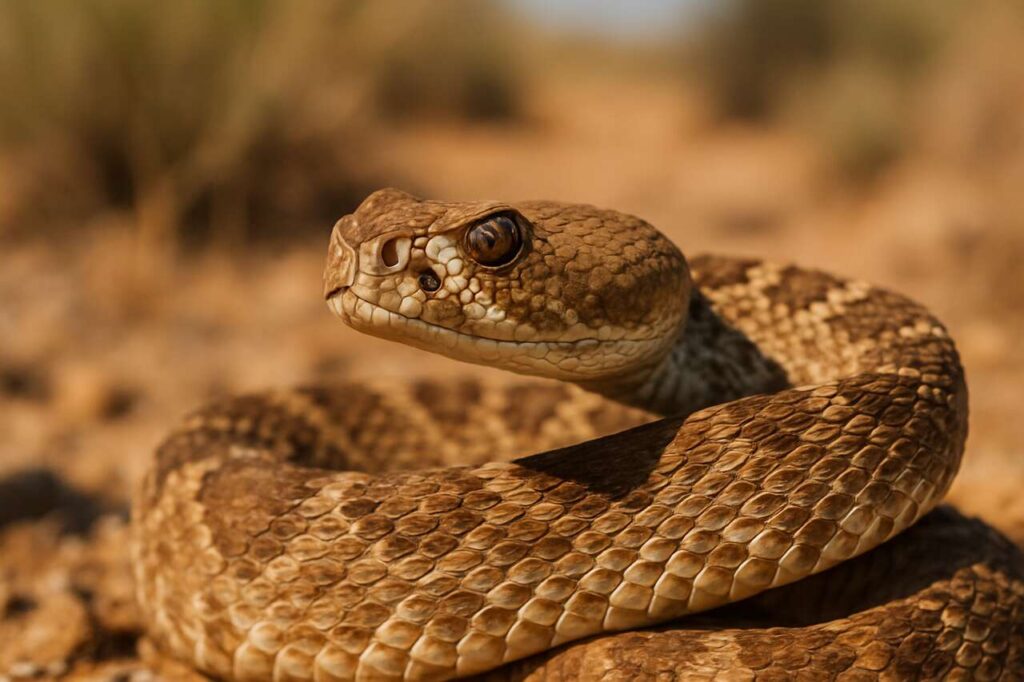
Rattlesnakes have long been subjects of fear and misunderstanding, often portrayed as dangerous predators to be avoided at all costs. However, a groundbreaking initiative using livestream technology is challenging these deeply ingrained perceptions. By broadcasting the daily lives of rattlesnakes directly into homes worldwide, researchers are demonstrating that these reptiles exhibit complex social behaviours and deserve greater appreciation and protection.
Understanding the impact of livestreams on the perception of rattlesnakes
The power of visual storytelling in wildlife education
Livestream technology has revolutionised how the public engages with wildlife, offering unfiltered access to animal behaviour in natural settings. The RattleCam project exemplifies this approach, providing viewers with continuous footage of rattlesnake communities. This constant visual presence allows audiences to observe behaviours that contradict common misconceptions about these reptiles being solitary and aggressive creatures.
The project’s impressive statistics reveal the extent of public interest. With over 21,300 subscribers and more than 4.4 million views, the initiative has clearly struck a chord with audiences seeking authentic wildlife content. The accumulation of approximately 350,000 hours of watch time demonstrates sustained engagement rather than fleeting curiosity.
Measurable shifts in public attitudes
The educational impact extends beyond mere viewership numbers. Through real-time chat interactions managed by students, the project addresses misconceptions as they arise. Viewers who initially approached the streams with trepidation often report developing genuine affection for individual snakes they follow regularly. This personal connection transforms abstract fear into concrete understanding.
The substantial media coverage, including 83 news articles surrounding the Colorado installation, amplified the project’s reach beyond its direct audience. This ripple effect has contributed to broader conversations about snake conservation and the importance of coexisting with native wildlife. These developments naturally lead to examining how the project specifically targets rattlesnakes’ negative reputation.
Changing the reputation of rattlesnakes through the RattleCam project
Strategic locations and species selection
The project’s expansion demonstrates a thoughtful approach to showcasing rattlesnake diversity. The initiative began with a Western Rattlesnake rookery in California, followed by a Prairie Rattlesnake mega-den in Colorado, with plans for a Timber Rattlesnake stream in Pennsylvania. This geographical spread highlights different species and habitats, emphasising that rattlesnakes are integral components of various ecosystems.
| Location | Species | Installation Year | Notable Feature |
|---|---|---|---|
| California | Western Rattlesnake | 2021 | First livestream site |
| Colorado | Prairie Rattlesnake | 2024 | Mega-den with high snake density |
| Pennsylvania | Timber Rattlesnake | 2026 (planned) | Eastern species representation |
Revealing complex social structures
Perhaps the most significant revelation from the livestreams concerns rattlesnake social behaviour. Observations have documented community dynamics that challenge the stereotype of snakes as solitary creatures. Viewers witness snakes interacting, sharing basking spots, and even displaying what researchers describe as individual personalities. Some rattlesnakes have become recognisable to regular viewers, who follow their activities with the same interest typically reserved for more conventionally charismatic animals.
This intimate portrayal creates a foundation for understanding how social media platforms amplify these educational messages.
The role of social media in demystifying snakes
YouTube as an educational platform
The choice of YouTube as the primary distribution channel proves strategic for several reasons. The platform’s accessibility ensures that anyone with internet access can engage with the content without financial barriers. The comment and chat features facilitate direct dialogue between educators and viewers, creating an interactive learning environment that traditional documentaries cannot replicate.
The dramatic subscriber growth, particularly the addition of 13,761 new subscribers during the Colorado installation period, demonstrates how viral potential can serve conservation goals. Each new subscriber represents an individual whose perception of rattlesnakes has potentially shifted from fear to curiosity.
Breaking down barriers through accessibility
Social media’s democratising effect cannot be overstated. The livestreams reach audiences who might never visit natural history museums or attend wildlife lectures. Key advantages include:
- 24-hour access allowing viewers from different time zones to engage
- No geographical limitations, bringing remote wildlife to urban audiences
- Shareable content that spreads through personal networks
- Archive footage enabling retrospective viewing of significant moments
- Community building among viewers who share interest in snake welfare
This widespread accessibility sets the stage for examining how live footage specifically cultivates empathy.
Live footage to foster empathy towards reptiles
The psychology of continuous observation
Extended exposure to rattlesnake behaviour through livestreams creates opportunities for emotional connection that brief encounters cannot achieve. When viewers watch snakes over weeks and months, they witness the full spectrum of reptilian life: basking peacefully, interacting socially, and simply existing without threatening anyone. This normalisation of snake presence reduces the instinctive fear response many people experience.
The student-led management approach adds another layer of relatability. Young educators engaging enthusiastically with the subject matter models positive attitudes for viewers, demonstrating that coexistence with rattlesnakes is both possible and rewarding.
Seasonal rhythms and natural behaviour
Operating from April to November, the livestreams follow the snakes’ active season, providing insight into their natural rhythms. Viewers learn about hibernation patterns, breeding behaviours, and thermoregulation needs. This contextual understanding transforms rattlesnakes from threatening abstractions into creatures adapted to specific ecological niches, deserving of protection within those habitats.
These emotional and intellectual shifts naturally connect to broader conservation imperatives.
The importance of awareness of snake conservation
Addressing population threats
Rattlesnakes face numerous threats including habitat destruction, road mortality, and deliberate killing by humans who perceive them as dangerous. The livestreams indirectly address these threats by demonstrating that rattlesnakes pose minimal risk when left undisturbed. Viewers learn that these reptiles are generally non-aggressive, preferring retreat over confrontation.
By showcasing rattlesnakes in their natural context, the project emphasises their ecological roles as both predators and prey. This ecosystem perspective helps viewers understand that snake conservation contributes to broader environmental health.
Inspiring protective behaviours
Increased awareness translates into tangible conservation outcomes. Educated viewers are more likely to:
- Support habitat protection initiatives
- Avoid killing snakes encountered in nature
- Contact wildlife professionals for humane snake removal
- Advocate for snake-friendly policies in their communities
- Educate others about rattlesnake behaviour and conservation needs
This grassroots shift in attitudes demonstrates how individual education scales to collective action, highlighting the broader potential of online educational strategies.
The power of online educational initiatives
Replicable models for wildlife education
The RattleCam project’s success provides a blueprint for similar initiatives focused on other misunderstood species. The model demonstrates that relatively modest technological investments can yield substantial educational returns. The student-led operational structure also offers valuable training opportunities for future wildlife professionals whilst keeping costs manageable.
Long-term impacts on conservation culture
As the project expands with its planned Pennsylvania installation, it continues building a community of informed snake advocates. This growing network represents a cultural shift in how society views reptiles, moving from fear-based responses towards evidence-based coexistence strategies. The initiative proves that patient, accessible education can overcome even deeply rooted prejudices against wildlife.
The collaborative nature of the project, involving multiple institutions and student participation, also models effective partnerships in conservation education. This approach maximises resources whilst broadening the initiative’s geographical and demographic reach.
The RattleCam project demonstrates how modern technology can bridge the gap between humans and misunderstood wildlife. Through continuous livestreaming, millions of viewers have gained unprecedented access to rattlesnake behaviour, challenging harmful stereotypes and fostering genuine empathy. The initiative’s impressive viewership statistics and sustained engagement reveal substantial public appetite for authentic wildlife content. By showcasing the complex social lives of rattlesnakes across multiple locations and species, the project has successfully repositioned these reptiles from feared threats to valued ecosystem members. This shift in perception carries significant implications for conservation, as educated audiences become advocates for snake protection. The model’s success suggests that similar online educational initiatives could effectively address misconceptions about other stigmatised species, ultimately contributing to broader wildlife conservation goals through informed public support.