



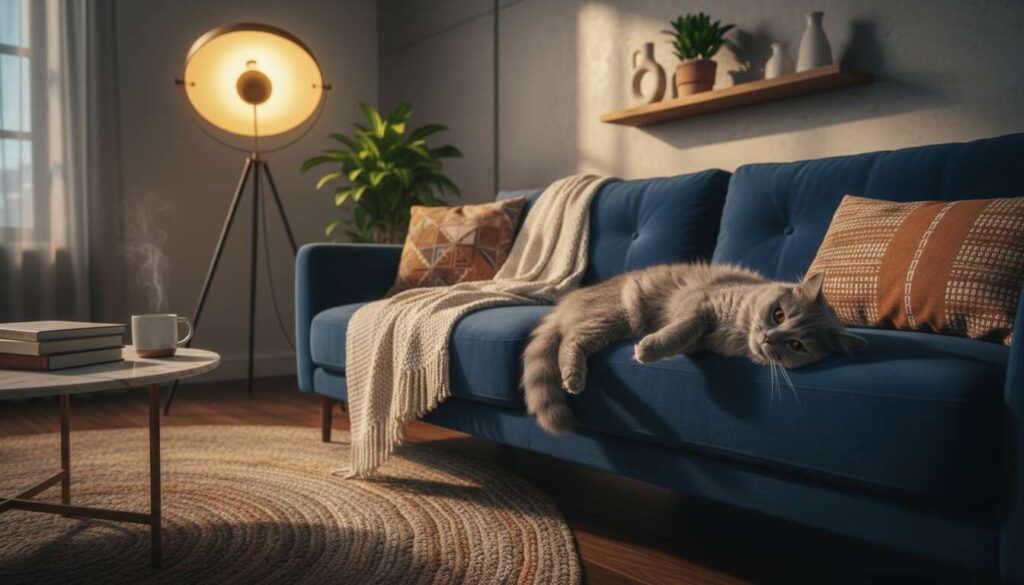
British cat ownership is undergoing a remarkable transformation as an increasing number of households choose to keep their feline companions exclusively indoors. Research from Nottingham Trent University reveals that approximately 50% of domestic cats now live entirely within the confines of their owners’ homes, marking a significant shift in how the nation cares for its estimated 10.9 million cats. This evolving approach to pet ownership reflects broader changes in urban living, safety concerns, and environmental awareness that are reshaping the relationship between cats and their human guardians.
Growth of indoor cats in the United Kingdom
Statistical evidence of the indoor cat phenomenon
The scale of indoor cat ownership in the United Kingdom has reached unprecedented levels. A comprehensive survey involving more than 5,000 cat owners worldwide has documented this striking trend, with British households featuring prominently in the data. The research demonstrates that nearly half of all domestic cats are now confined to indoor living, representing a substantial departure from traditional cat-keeping practices that historically favoured outdoor access.
| Demographic | Indoor Cat Ownership Rate |
|---|---|
| Urban residents aged 26-35 | Highest proportion |
| Pedigree cat owners | Significantly elevated |
| Owners with health-compromised cats | Predominantly indoor |
| Overall UK cat population | Approximately 50% |
Demographic patterns driving the change
The movement towards indoor cat ownership is particularly pronounced among younger demographics, with individuals aged between 26 and 35 years leading the charge. This age group, often residing in densely populated urban centres, demonstrates a marked preference for keeping cats exclusively indoors. Several factors contribute to this demographic pattern:
- Higher concentration of apartment dwellers with limited outdoor space
- Greater awareness of urban hazards facing outdoor cats
- Increased adoption of pedigree breeds that require specialised care
- Growing consciousness about responsible pet ownership practices
The correlation between urbanisation and indoor cat ownership cannot be overstated, as city living naturally constrains the options available to pet owners seeking to balance their cats’ welfare with practical considerations.
The reasons behind the indoor cat trend
Safety concerns dominating owner decisions
Safety considerations form the cornerstone of the indoor cat movement, with research indicating that more than 85% of reasons cited for keeping cats indoors relate directly to welfare concerns. Traffic dangers emerge as the single most significant factor, with 59% of owners identifying road hazards as their primary motivation for restricting outdoor access. The modern urban landscape presents numerous threats to feline safety:
- Increased vehicle traffic in residential areas
- Risk of theft or intentional harm to pets
- Exposure to diseases from other animals
- Potential conflicts with wildlife or neighbouring cats
- Dangers posed by toxic substances in outdoor environments
Health and breed-specific considerations
Beyond general safety concerns, health-related factors play a crucial role in the decision to keep cats indoors. Owners of cats with pre-existing medical conditions frequently opt for indoor-only arrangements to better monitor their pets’ wellbeing and prevent exposure to additional health risks. Pedigree cat owners demonstrate particularly high rates of indoor confinement, reflecting both the financial investment in these animals and their often reduced ability to navigate outdoor hazards compared to mixed-breed cats adapted to independent living.
Understanding these motivations provides context for examining how this shift affects both the natural environment and the cats themselves.
Environmental impacts of keeping cats indoors
Reduction in wildlife predation
The environmental implications of increased indoor cat ownership present a complex picture with both positive and negative dimensions. From a wildlife conservation perspective, keeping cats indoors delivers substantial benefits. Outdoor cats are prolific hunters, and their predation significantly impacts bird populations, small mammals, and reptiles. By confining cats to indoor spaces, owners effectively eliminate this source of wildlife mortality, contributing to biodiversity preservation in urban and suburban ecosystems.
Ecological footprint considerations
However, the environmental equation extends beyond wildlife predation. Cat ownership itself carries an ecological footprint that warrants consideration:
- Production and transportation of commercial cat food
- Manufacturing of litter products and associated waste
- Energy consumption for climate control in homes
- Production of toys, furniture, and enrichment items
Progressive cat owners are increasingly addressing these concerns by adopting environmentally conscious practices, including sourcing pets from local rescue organisations rather than breeders, selecting sustainable pet products, and choosing eco-friendly litter alternatives. This growing environmental awareness among pet owners reflects broader societal shifts towards sustainable living practices.
Whilst environmental considerations matter greatly, the welfare of the cats themselves remains paramount for responsible owners.
Well-being and behaviour: the challenge of indoor cats
Psychological and physical health considerations
The confinement of cats to indoor environments presents significant challenges for feline wellbeing that conscientious owners must address. Cats evolved as territorial hunters with instinctive drives to patrol, climb, and engage with complex outdoor environments. Depriving them of these natural behaviours can lead to various welfare concerns:
- Obesity from reduced physical activity
- Behavioural problems including aggression or anxiety
- Stress-related health conditions
- Reduced mental stimulation leading to boredom
- Inadequate expression of natural hunting behaviours
Behavioural manifestations of inadequate enrichment
Indoor cats denied appropriate environmental enrichment often develop problematic behaviours that signal distress or frustration. These may include excessive vocalisation, destructive scratching, inappropriate elimination outside litter trays, or aggression towards household members. Such behaviours typically indicate that the cat’s fundamental needs for stimulation, exercise, and behavioural expression remain unmet within their confined environment.
Addressing these welfare challenges requires thoughtful planning and ongoing commitment from owners to create living spaces that accommodate feline needs.
Practical tips for creating a suitable indoor environment
Essential environmental enrichment strategies
Creating a stimulating indoor environment demands more than simply keeping a cat fed and sheltered. Responsible owners must replicate key aspects of outdoor experiences within the home. Vertical space proves particularly crucial, as cats naturally seek elevated positions for security and observation. Installing cat trees, wall-mounted shelves, and climbing structures allows cats to express their instinctive climbing behaviours whilst maximising limited floor space in urban dwellings.
Comprehensive enrichment checklist
A well-designed indoor environment for cats should incorporate multiple elements:
- Multiple scratching posts in various locations and materials
- Interactive toys that simulate hunting behaviours
- Window perches providing visual stimulation from outdoor activity
- Puzzle feeders encouraging natural foraging instincts
- Separate zones for eating, sleeping, and elimination
- Regular rotation of toys to maintain novelty and interest
- Safe access to outdoor experiences through catios or supervised garden time
Social and cognitive stimulation
Beyond physical environment, social interaction forms a critical component of indoor cat welfare. Owners should dedicate time daily to interactive play sessions that engage their cats’ hunting instincts. For households with single cats, consideration should be given to adopting a compatible companion, though this requires careful introduction and assessment of individual temperaments. Cognitive enrichment through training, new experiences, and environmental changes helps maintain mental acuity and prevents boredom-related behavioural problems.
As indoor cat ownership becomes increasingly normalised, broader questions emerge about the future direction of feline care in British society.
Perspectives and future of cat life in the United Kingdom
Evolving attitudes towards cat ownership
The trajectory of cat ownership in the United Kingdom suggests that indoor living will continue gaining prevalence, particularly as urbanisation intensifies and awareness of safety concerns grows. This shift represents a fundamental reimagining of the human-cat relationship, moving from a model of semi-independence towards one of comprehensive care and containment. Younger generations of cat owners, having grown up with heightened awareness of animal welfare and environmental issues, appear comfortable with this paradigm shift.
Balancing welfare with practical realities
The challenge facing the cat-owning community involves reconciling the legitimate safety and environmental concerns driving indoor confinement with cats’ inherent behavioural needs. Future developments may include:
- Increased availability of purpose-built cat accommodation in rental properties
- Growing market for sophisticated enrichment products and services
- Enhanced veterinary focus on indoor cat-specific health issues
- Community initiatives providing safe outdoor access solutions
- Educational programmes helping owners optimise indoor environments
The proportion of UK adults owning cats, currently estimated at 24%, shows no signs of declining, suggesting that millions of cats will experience exclusively indoor lives in coming years. This reality necessitates ongoing research, innovation, and education to ensure that confinement does not compromise feline welfare. The responsibility falls upon owners, veterinary professionals, and animal welfare organisations to develop and promote best practices that honour cats’ complex needs whilst acknowledging the legitimate concerns that drive indoor housing decisions.
The rise of indoor cat ownership in the United Kingdom reflects profound changes in how society approaches pet care, balancing safety, environmental responsibility, and animal welfare. With approximately half of domestic cats now living exclusively indoors, driven primarily by traffic concerns and urban living constraints, this trend shows particular strength among younger owners in city environments. Whilst indoor living offers wildlife protection and safety benefits, it demands significant commitment to environmental enrichment, behavioural stimulation, and physical accommodation of feline needs. As this approach to cat ownership becomes increasingly normalised, the challenge lies in ensuring that indoor cats receive the complex care required to maintain their psychological and physical wellbeing within confined spaces.