



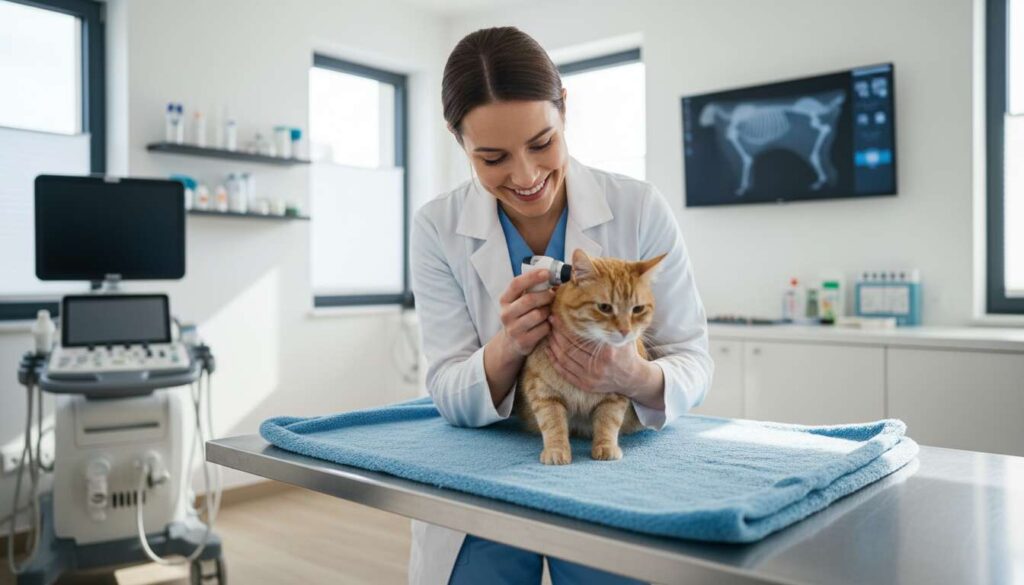
Cats have long held a special place in households across the globe, yet their enigmatic behaviour often leaves owners puzzled about the best ways to care for them. As a veterinary professional, the most common issues encountered stem not from malice but from a fundamental misunderstanding of feline needs and instincts. Many well-intentioned owners inadvertently cause stress, discomfort, or even harm to their beloved pets through actions that seem harmless on the surface. Recognising these pitfalls is essential for fostering a healthy, trusting relationship with your cat and ensuring their physical and emotional well-being throughout their lives.
Understanding feline communication
Reading the subtle signs
Cats rely heavily on body language to express their emotions and intentions, yet these signals are frequently misinterpreted by their human companions. Unlike dogs, whose communication tends to be more overt and easily understood, felines convey their feelings through nuanced movements and postures that require careful observation. A flicking or thrashing tail, for instance, typically indicates irritation or overstimulation rather than playfulness, whilst flattened ears pressed against the head signal fear or defensive aggression.
Other critical indicators include:
- Dilated pupils appearing suddenly, which often reflect heightened stress or anxiety
- Excessive grooming of a particular area, potentially signalling underlying health concerns or psychological distress
- Retreating to hidden spaces, demonstrating a need for security and solitude
- Slow blinking, which represents contentment and trust towards their owner
The consequences of misreading signals
Failing to recognise these communications can lead to escalating behavioural problems and a breakdown in the human-animal bond. When owners continue interacting with a cat displaying clear signs of discomfort, the animal may resort to more extreme defensive behaviours such as scratching, biting, or developing chronic anxiety. Understanding that a cat’s hiss or growl serves as a warning rather than an attack allows owners to respect boundaries before situations deteriorate.
This foundation of communication extends beyond mere observation, influencing every aspect of responsible cat ownership and care.
Avoiding toxic products
Common household dangers
Many everyday items found in typical homes pose serious health risks to cats, yet owners remain unaware of these hidden dangers. Certain plants, including lilies, azaleas, and philodendrons, can cause severe organ damage or even prove fatal if ingested. Essential oils, particularly those containing phenols such as tea tree, eucalyptus, and peppermint, are extremely toxic to felines due to their inability to metabolise these compounds effectively.
| Toxic Substance | Common Sources | Potential Effects |
|---|---|---|
| Paracetamol | Human medications | Liver failure, death |
| Xylitol | Sugar-free products | Hypoglycaemia, seizures |
| Onions and garlic | Food scraps | Anaemia, organ damage |
| Antifreeze | Garage products | Kidney failure |
Safe alternatives and prevention
Creating a cat-friendly environment requires proactive measures to eliminate these risks. Store all medications securely in closed cabinets, choose pet-safe plants for home decoration, and thoroughly research any cleaning products before use. Never offer human food without verifying its safety, as even small amounts of certain substances can accumulate to dangerous levels. When in doubt, consulting with a veterinary professional about specific products ensures peace of mind and protects your cat from inadvertent poisoning.
Beyond physical toxins, the broader spectrum of veterinary care demands equal attention to maintain optimal feline health.
Do not neglect veterinary care
The importance of regular check-ups
Preventative veterinary care forms the cornerstone of feline health, yet many owners only seek professional help when obvious symptoms appear. Cats possess a remarkable ability to mask illness, an evolutionary trait that protected wild ancestors from predators but now complicates early disease detection. Annual examinations allow veterinarians to identify subtle changes in weight, dental health, organ function, and overall condition before they progress to serious problems.
Recognising when intervention is needed
Certain behavioural changes warrant immediate veterinary attention rather than a wait-and-see approach. These include:
- Sudden changes in appetite or water consumption
- Difficulty urinating or defecating
- Persistent vomiting or diarrhoea
- Lethargy or withdrawal from normal activities
- Unexplained weight loss or gain
- Respiratory difficulties or persistent coughing
Delaying treatment for conditions such as urinary blockages, diabetes, or kidney disease can result in irreversible damage or significantly reduced life expectancy. Investing in regular veterinary care ultimately proves more cost-effective than emergency interventions for advanced conditions.
Alongside medical care, cats require specific environmental conditions to thrive emotionally and psychologically.
Respecting the need for peace
Understanding feline territoriality
Cats are inherently territorial creatures that require safe spaces where they can retreat without disturbance. Forcing interaction when a cat clearly signals its desire for solitude creates unnecessary stress and can damage the trust between owner and pet. Respecting these boundaries means recognising when your cat seeks quiet refuge and allowing them the autonomy to control social interactions on their own terms.
Creating sanctuary spaces
Every home should provide dedicated retreat areas where cats feel completely secure. These spaces might include elevated perches, enclosed beds, or quiet rooms away from household traffic. Children and visitors must understand that when a cat withdraws to these locations, they should not be disturbed or coaxed out. This respect for personal space reduces anxiety-related behaviours and promotes a more confident, well-adjusted pet.
The physical environment extends beyond safe spaces to encompass the entire domestic setting in which cats live.
Monitoring the domestic environment
Indoor hazards and safety measures
A thorough assessment of the home environment reveals numerous potential dangers that conscientious owners must address. Open windows without secure screens pose fall risks, whilst accessible electrical cords invite chewing and potential electrocution. Small objects such as hair ties, rubber bands, and children’s toys can cause intestinal blockages if ingested, requiring surgical intervention to remove.
Temperature and comfort considerations
Cats are sensitive to environmental extremes and require appropriate climate control to remain comfortable. During summer months, ensure adequate ventilation and access to cool surfaces, as cats cannot regulate body temperature as efficiently as humans. Conversely, older cats or those with thin coats may need additional warmth during winter through heated beds or warm resting spots. Maintaining consistent temperatures prevents stress and supports overall health.
A safe environment must also provide sufficient mental and physical stimulation to prevent the development of behavioural problems.
Don’t let the cat get bored
The consequences of insufficient enrichment
Boredom in cats manifests through destructive behaviours such as excessive scratching, inappropriate elimination, or aggression towards household members. Without adequate mental and physical stimulation, cats may develop compulsive behaviours including over-grooming, pacing, or vocalising excessively. These issues stem from unmet instinctual needs for hunting, exploring, and problem-solving that domestic life often fails to satisfy.
Effective enrichment strategies
Providing appropriate stimulation requires a multi-faceted approach that addresses various aspects of feline behaviour:
- Interactive toys that mimic prey movements, encouraging natural hunting instincts
- Puzzle feeders that challenge cognitive abilities whilst slowing eating pace
- Vertical spaces such as cat trees or wall-mounted shelves for climbing and surveying territory
- Regular play sessions using wand toys to facilitate bonding and exercise
- Window perches offering visual stimulation through observing outdoor activity
- Rotating toys periodically to maintain novelty and interest
Cats living in multi-cat households benefit from having sufficient resources to prevent competition, including multiple litter trays, feeding stations, and resting areas distributed throughout the home.
Responsible cat ownership demands continuous education and adaptation to meet the evolving needs of these complex animals. By avoiding the common mistakes outlined here, owners create environments where cats can express natural behaviours whilst remaining safe, healthy, and emotionally secure. The investment in understanding feline psychology, maintaining vigilant veterinary care, and providing appropriate enrichment yields immeasurable rewards through the development of a profound, mutually respectful bond that enhances the lives of both cat and owner for years to come.