



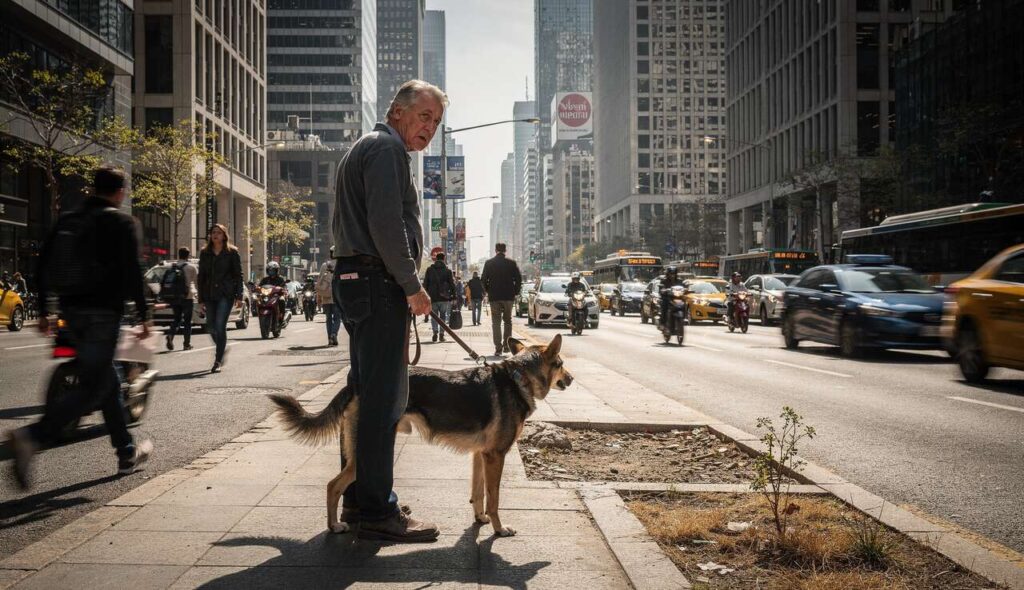
Urban environments have transformed dramatically over recent decades, and whilst many improvements have enhanced human life, pet owners are increasingly finding their neighbourhoods inhospitable to their four-legged companions. From crumbling pavements to aggressive encounters with hostile pedestrians, the simple act of walking a dog has become fraught with anxiety and practical challenges. This shift reflects broader changes in urban planning priorities, environmental conditions, and social attitudes that have collectively made cities less accommodating for pets and their owners.
The rise of pet-unfriendly infrastructure
Deteriorating pavements and pathways
Many urban areas suffer from poorly maintained walking surfaces that pose genuine hazards to pets. Cracked pavements with exposed aggregate can injure sensitive paw pads, whilst broken glass and sharp debris accumulate in neglected corners. Pet owners report having to constantly scan the ground ahead, transforming what should be a relaxing walk into a stressful obstacle course.
Inadequate waste facilities
The shortage of designated dog waste bins forces responsible owners to carry soiled bags for extended distances, discouraging longer walks. When facilities do exist, they are often:
- Poorly positioned away from main walking routes
- Infrequently emptied, creating unpleasant overflows
- Insufficient in number for the local pet population
- Damaged or vandalised, rendering them unusable
Hostile architectural features
Modern urban design increasingly incorporates defensive architecture that inadvertently excludes pets. High kerbs without dropped crossings make navigation difficult for smaller dogs, whilst the proliferation of bollards and street furniture creates narrow passages that anxious animals struggle to navigate comfortably.
These infrastructure failures compound to create an environment where basic pet care becomes unnecessarily complicated, setting the stage for additional environmental concerns.
The role of urban pollution on pet health
Air quality concerns
Pets breathe closer to ground level where pollutants concentrate most heavily, exposing them to higher doses of particulate matter, nitrogen dioxide, and other harmful emissions. Veterinary professionals have noted increases in respiratory conditions amongst urban pets, particularly brachycephalic breeds already predisposed to breathing difficulties.
Chemical contaminants on surfaces
The substances pets encounter during walks present significant health risks:
- De-icing salts that burn paws and cause gastrointestinal distress when licked
- Pesticides and herbicides applied to public spaces
- Oil and fuel residues from vehicles
- Industrial pollutants deposited on pavements
Impact on behaviour and wellbeing
Dogs possess remarkably sensitive olfactory systems, and the overwhelming cocktail of urban odours can cause genuine distress. The constant assault of exhaust fumes, industrial emissions, and chemical cleaners may contribute to anxiety and reluctance to venture outdoors.
| Pollutant type | Primary source | Effect on pets |
|---|---|---|
| Particulate matter | Vehicle emissions | Respiratory irritation |
| Road salt | Winter maintenance | Paw burns, poisoning |
| Pesticides | Public landscaping | Toxicity, skin reactions |
Beyond these chemical threats, the physical dangers of urban traffic present an even more immediate risk to pet safety.
The dangers of increasing traffic
Volume and speed of vehicles
Traffic density in residential areas has increased substantially, with more vehicles competing for limited road space. Drivers rushing through neighbourhoods often exceed speed limits, leaving insufficient reaction time when pets unexpectedly enter roadways. Even controlled crossings offer limited protection when drivers fail to yield appropriately.
Inadequate crossing infrastructure
Many neighbourhoods lack safe crossing points for pedestrians and their pets. Traffic light sequences often provide insufficient time for slower-moving elderly dogs or cautious animals to complete crossings. The absence of pedestrian refuges on wider roads forces owners to rush anxious pets across multiple lanes.
Parking and visibility issues
Pavement parking has become endemic in many urban areas, creating hazardous situations:
- Forcing pedestrians and pets into roadways
- Obscuring sightlines at junctions and crossings
- Creating narrow passages where dogs may panic
- Blocking access to designated walking routes
Noise and stress factors
The constant din of traffic causes significant stress for noise-sensitive animals. Sudden loud sounds from accelerating vehicles, honking horns, and emergency sirens can trigger panic responses, making walks unpredictable and potentially dangerous as frightened pets attempt to flee.
Whilst traffic presents immediate physical dangers, the gradual erosion of natural spaces compounds the challenges facing urban pet owners.
The impact of insufficient green spaces for pets
Declining access to parks and open areas
Urban densification has consumed former green spaces, with development priorities favouring housing and commercial projects over recreational areas. Remaining parks often impose restrictive regulations that limit where and when dogs may exercise, with some banning pets entirely from certain sections.
Overcrowding in available spaces
The few dog-friendly areas that remain suffer from intensive use that degrades their quality. Worn grass becomes muddy quagmires, whilst the concentration of animals increases disease transmission risks and territorial conflicts between pets.
Inadequate facilities within green spaces
Even designated dog areas frequently lack basic amenities:
- Secure fencing to allow off-lead exercise safely
- Separate zones for different sizes of dogs
- Water stations for hydration during exercise
- Adequate seating for owners with mobility limitations
- Appropriate waste disposal facilities
| City average | Green space per capita | Dog-friendly areas |
|---|---|---|
| Major UK cities | 27 square metres | 15% of total |
| European comparison | 45 square metres | 35% of total |
Psychological impact on pets
Insufficient access to natural environments affects canine mental health significantly. Dogs denied opportunities to engage in natural behaviours such as exploring varied terrain, socialising with other animals, and exercising freely often develop behavioural problems including destructiveness, excessive barking, and aggression.
These environmental deficiencies create fertile ground for social tensions between pet owners and other residents.
The increase in antisocial behaviour towards pet owners
Verbal abuse and confrontations
Pet owners report growing hostility from fellow residents, ranging from disapproving comments to outright verbal abuse. Even responsible owners who meticulously clean up after their pets and maintain control face unwarranted criticism, creating an atmosphere of tension during routine walks.
Physical threats and dangerous interventions
More concerning are incidents involving physical aggression:
- Cyclists deliberately riding close to intimidate dogs
- Pedestrians kicking or striking at animals
- Individuals throwing objects at pets
- Deliberate attempts to poison animals with contaminated food left in public spaces
Social media amplification
Online neighbourhood forums have become venues for disproportionate complaints about pet owners, with minor infractions attracting vitriolic responses. This digital hostility translates into real-world anxiety, as owners fear being photographed and publicly shamed for perceived transgressions.
Regulatory overreach
Some local authorities have responded to complaints by implementing increasingly restrictive regulations that effectively criminalise normal pet ownership. Blanket bans on dogs in public spaces, excessive fines for minor violations, and burdensome licensing requirements create an unwelcoming environment for responsible pet owners.
Addressing these multifaceted challenges requires comprehensive solutions that balance competing urban priorities.
Solutions to make the city more pet-friendly
Infrastructure improvements
Local authorities should prioritise pet-friendly urban planning by investing in proper maintenance of walking surfaces, installing adequate waste disposal facilities, and creating safe crossing points. Designated dog exercise areas with appropriate fencing and amenities would concentrate use whilst protecting other public spaces.
Green space expansion and protection
Cities must commit to preserving and expanding accessible green spaces with explicit provisions for pet exercise. This includes:
- Protecting existing parks from development pressure
- Creating pocket parks in dense residential areas
- Establishing green corridors connecting neighbourhoods
- Implementing rooftop gardens and community spaces
Traffic calming measures
Reducing vehicle speeds through residential areas benefits all pedestrians, including those with pets. Twenty-mile-per-hour zones, speed bumps, and improved crossing infrastructure would significantly enhance safety for pet owners navigating their neighbourhoods.
Community education initiatives
Fostering mutual understanding between pet owners and non-owners requires proactive engagement. Local authorities and animal welfare organisations should collaborate on campaigns promoting responsible pet ownership whilst educating the broader public about the benefits pets bring to communities.
Enforcement and mediation
Rather than punitive approaches, cities should establish mediation services to resolve conflicts between residents. Clear, reasonable regulations fairly enforced would address legitimate concerns whilst protecting the rights of responsible pet owners to enjoy public spaces.
The challenges facing urban pet owners reflect broader questions about how cities accommodate diverse needs and lifestyles. Whilst infrastructure deficiencies, environmental hazards, traffic dangers, insufficient green spaces, and social hostility have combined to create genuinely hostile environments for pets, practical solutions exist that could restore neighbourhoods as welcoming places for all residents. Implementing these changes requires political will, adequate funding, and recognition that pet-friendly cities benefit entire communities through improved public health, enhanced social cohesion, and more liveable urban environments. The question facing city planners and policymakers is whether they will prioritise these improvements before more pet owners conclude that urban living has become incompatible with responsible animal care.