



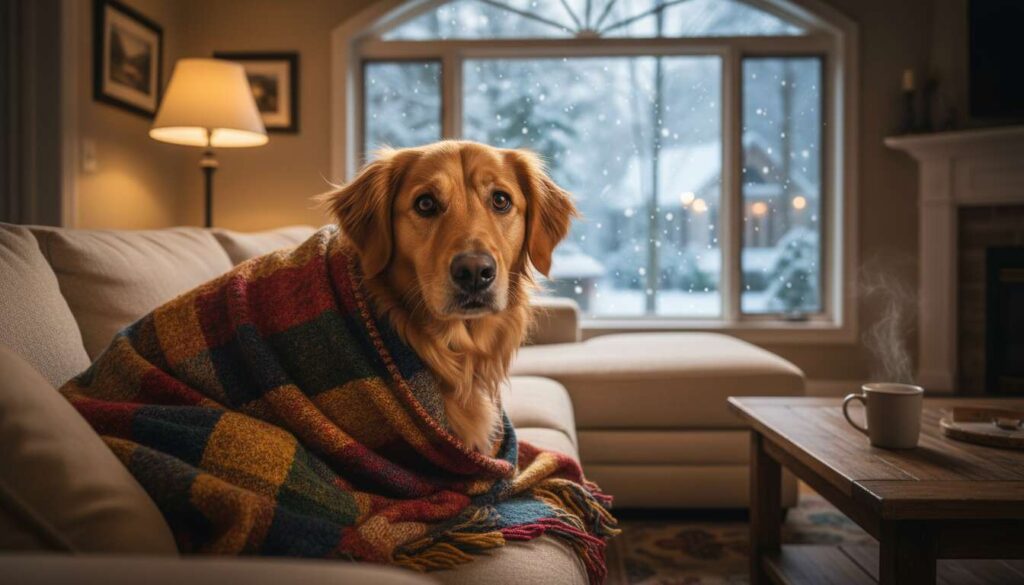
Dogs experience cold weather differently than humans, and recognising the warning signs can prevent serious health complications. Whilst some breeds thrive in chilly conditions, others struggle to maintain their body temperature when the mercury drops. Understanding your pet’s physical and behavioural responses to cold is essential for responsible ownership, particularly during the winter months when temperatures plummet and exposure risks increase significantly.
Physical signs of cold in dogs
Shivering and trembling
The most obvious indicator that your dog is feeling cold is persistent shivering or trembling. This involuntary muscle activity generates heat to warm the body, functioning as a natural defence mechanism against dropping temperatures. Unlike occasional shivers, cold-related trembling is continuous and noticeable, affecting the entire body rather than isolated areas. If your dog’s shivering doesn’t stop after coming indoors or receiving warmth, this warrants veterinary attention as it may indicate hypothermia.
Cold ears and paws
A dog’s extremities lose heat rapidly in cold conditions. Check your pet’s ears, paws, and tail tip regularly during cold weather exposure. These areas should feel warm to the touch under normal circumstances. Cold or icy extremities suggest inadequate circulation and potential frostbite risk. Pay particular attention to the paw pads, which can develop ice crystals between the toes or show signs of cracking and discolouration when exposed to freezing surfaces for extended periods.
Pale or blue-tinged gums
Examining your dog’s gums provides valuable insight into their circulation and overall warmth. Healthy gums appear pink and moist. When a dog becomes dangerously cold, the gums may turn pale, grey, or even bluish, indicating reduced blood flow to peripheral tissues. This symptom requires immediate veterinary intervention as it suggests the body is prioritising vital organs over extremities, a sign of advancing hypothermia.
Lethargy and weakness
Cold stress manifests through reduced energy levels and physical weakness. Dogs struggling with low temperatures often appear:
- Reluctant to move or play
- Slower in their movements
- Unresponsive to usual stimuli
- Seeking warm spots constantly
This conservation of energy represents the body’s attempt to maintain core temperature by reducing activity and metabolic demands.
Beyond these visible symptoms, understanding how your dog’s actions change in response to cold provides equally important clues about their comfort level.
Analysing behaviour to spot cold
Seeking warmth and shelter
Dogs instinctively search for warm environments when feeling cold. You may notice your pet positioning themselves near radiators, fireplaces, or heating vents. They might burrow under blankets, curl into tight balls, or press against you for body heat. During walks, a cold dog will pull towards home or seek shelter under parked cars, in doorways, or behind walls that block the wind. This behaviour differs markedly from their usual enthusiasm for outdoor activities.
Reluctance to go outside
A normally eager dog who suddenly refuses to venture outdoors or hurries back inside immediately after toileting is communicating discomfort with the temperature. This behavioural shift is particularly telling in dogs who typically enjoy walks regardless of weather. They may plant themselves at the door, turn back repeatedly, or whine when encouraged to continue walking.
Anxious or whining behaviour
Cold discomfort often triggers anxiety in dogs, manifesting through increased vocalisation, pacing, or clingy behaviour. Your pet may whine, bark, or display restlessness they wouldn’t normally exhibit. Some dogs become unusually dependent, following their owners from room to room or refusing to settle in their usual spots. This anxiety stems from physical discomfort and the instinctive need to find warmth and security.
Changes in posture
A cold dog adopts specific postures to minimise heat loss. Watch for your pet curling into a tight ball with their tail tucked over their nose, hunching their back, or holding their paws off the ground alternately. These positions reduce the surface area exposed to cold air and protect vulnerable areas like the abdomen and face.
Whilst all dogs can experience cold, certain breeds face significantly greater challenges maintaining their body temperature in chilly conditions.
Breeds more sensitive to cold
Small and toy breeds
Smaller dogs possess a higher surface area to body mass ratio, meaning they lose heat more rapidly than larger breeds. Chihuahuas, Yorkshire Terriers, Pomeranians, and similar toy breeds struggle particularly in cold weather. Their proximity to the ground also exposes them to snow, ice, and cold surfaces more directly. These breeds typically require protective clothing when temperatures drop below 7°C.
Short-haired and hairless breeds
Dogs with minimal coat protection face obvious disadvantages in cold weather. Breeds requiring extra attention include:
- Greyhounds and Whippets
- Boxers and Bulldogs
- Dalmatians and Weimaraners
- Chinese Crested and Xoloitzcuintli
These breeds lack the insulating undercoat that provides warmth, making them vulnerable even during mild cold snaps.
Elderly and health-compromised dogs
Age and health status significantly impact cold tolerance. Senior dogs often have reduced circulation, arthritis, and decreased body fat, all compromising their ability to stay warm. Dogs with conditions such as hypothyroidism, heart disease, diabetes, or kidney disease similarly struggle with temperature regulation. Puppies under six months also lack fully developed thermoregulation systems.
Breeds with natural cold resistance
For comparison, breeds developed for cold climates tolerate low temperatures far better. Siberian Huskies, Alaskan Malamutes, Saint Bernards, and Newfoundlands possess thick double coats and robust builds suited to harsh conditions. However, even these breeds have limits and require monitoring during extreme weather.
| Breed type | Cold tolerance | Protection needed at |
|---|---|---|
| Toy breeds | Low | 7°C and below |
| Short-haired breeds | Low to moderate | 4°C and below |
| Medium double-coated breeds | Moderate to high | -4°C and below |
| Arctic breeds | Very high | -12°C and below |
Understanding these breed-specific vulnerabilities helps determine appropriate temperature thresholds for outdoor activities.
Safe temperatures for your dog
General temperature guidelines
Most dogs remain comfortable when temperatures stay above 7°C. Between 4°C and 7°C, small, elderly, or thin-coated dogs require monitoring and possibly protective clothing. Below 4°C, all but the most cold-adapted breeds need shortened outdoor exposure. When temperatures plummet below -6°C, even hardy breeds face risks, and outdoor time should be limited to brief toilet breaks.
Wind chill and wet conditions
Temperature alone doesn’t tell the complete story. Wind chill dramatically increases cold exposure risk by stripping away the warm air layer surrounding your dog’s body. Similarly, wet conditions reduce coat insulation by up to 50%, making a damp dog at 7°C feel as cold as a dry dog at freezing temperatures. Always consider these factors when assessing safety.
Duration of exposure matters
Even at moderately cold temperatures, prolonged exposure increases risk. A fifteen-minute walk at 2°C may be perfectly safe for most dogs, whilst an hour-long hike at the same temperature could prove dangerous. Monitor your pet continuously and cut activities short if warning signs appear.
Individual variation
These guidelines provide starting points, but individual dogs vary considerably. Factors affecting cold tolerance include:
- Body condition and fat reserves
- Acclimation to cold weather
- Activity level during exposure
- Previous cold-related health issues
Learn your specific dog’s tolerance through careful observation during gradually colder conditions rather than testing limits during extreme weather.
Equipped with knowledge of danger signs and safe temperature ranges, implementing protective strategies becomes the practical next step.
Protecting your dog from the cold
Appropriate clothing and accessories
Dog coats and jumpers provide essential protection for vulnerable breeds. Choose garments that cover the chest and belly whilst allowing free movement and toilet functions. Waterproof outer layers prove particularly valuable in wet conditions. Booties protect paws from ice, salt, and chemical de-icers, though many dogs require gradual acclimation to wearing them. Ensure all clothing fits properly without restricting circulation or causing chafing.
Adjusting exercise routines
Modify outdoor activities during cold weather by shortening walk duration, choosing midday hours when temperatures peak, and selecting sheltered routes protected from wind. Increase the frequency of shorter outings rather than maintaining long walks. Indoor play and mental stimulation can supplement physical exercise when weather becomes prohibitive. Active play generates body heat, so maintain moderate activity levels even during brief outdoor excursions.
Creating warm indoor spaces
Provide your dog with comfortable, draught-free resting areas away from exterior doors and windows. Raised beds keep pets off cold floors, whilst blankets and bedding allow burrowing. Position beds near heat sources but never directly against radiators or fires where burns could occur. Older dogs particularly benefit from orthopaedic beds that provide both warmth and joint support.
Paw care and grooming
Trim excess hair between paw pads to prevent ice ball formation, but maintain coat length elsewhere for insulation. After outdoor exposure, wipe paws with warm water to remove ice, salt, and chemicals. Apply pet-safe paw balm to prevent cracking. Never shave or heavily trim your dog’s coat during winter months, as this removes their natural protection.
Nutrition and hydration
Dogs may require increased caloric intake during cold weather to maintain body temperature, particularly if spending significant time outdoors. Consult your veterinarian about appropriate adjustments. Ensure fresh, unfrozen water remains constantly available, as dehydration impairs temperature regulation.
Recognising when your dog feels cold requires attentiveness to both physical symptoms and behavioural changes. Shivering, cold extremities, and altered gum colour provide clear physical warnings, whilst reluctance to venture outside, anxiety, and heat-seeking behaviour reveal discomfort through actions. Breed, size, age, and health status all influence cold tolerance, with small, short-haired, and elderly dogs facing the greatest risks. Safe temperature thresholds vary by individual, but most dogs require protection below 7°C, with conditions becoming dangerous below freezing, especially when wind chill and moisture factor in. Protective measures including appropriate clothing, modified exercise routines, warm resting spaces, and proper paw care ensure your dog remains comfortable and healthy throughout the coldest months.