


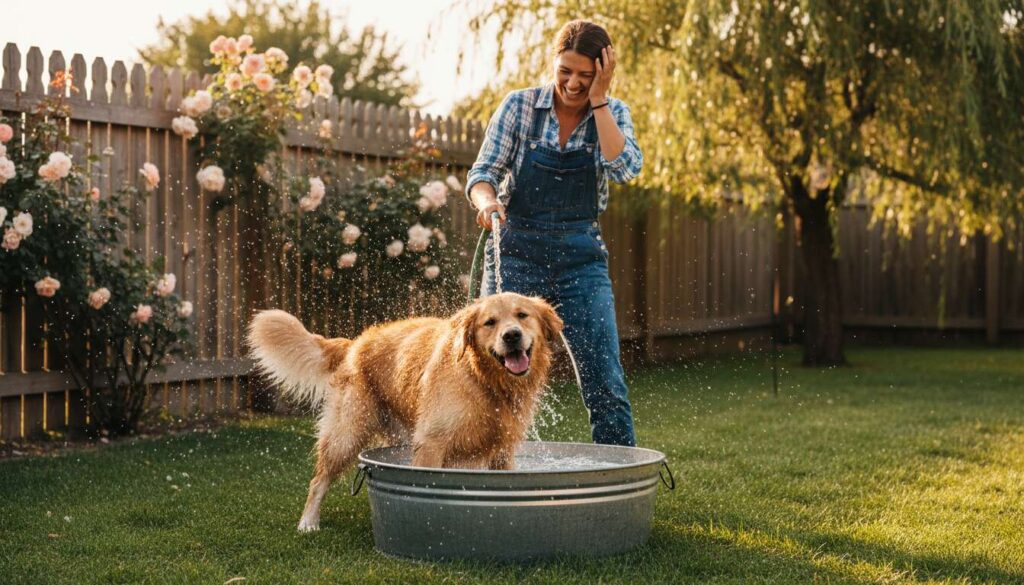
Dog owners often find themselves puzzled by conflicting advice about bathing their beloved pets. Whilst some sources suggest weekly washes, others recommend monthly routines, leaving many wondering what truly benefits their canine companions. The truth is that washing frequency depends on multiple variables specific to each dog, and understanding these factors can help maintain your pet’s coat health whilst avoiding potential skin problems. Getting the balance right ensures your dog stays clean, comfortable, and healthy without compromising their natural protective oils.
Ideal frequency for bathing your dog
General guidelines for most dogs
The standard recommendation for bathing a healthy dog with normal skin and coat is approximately once every four to six weeks. This timeframe allows the natural oils in your dog’s skin to maintain their protective function whilst preventing dirt accumulation that could lead to unpleasant odours or skin irritation. However, this baseline serves merely as a starting point rather than a universal rule applicable to all breeds and circumstances.
Breed-specific considerations
Different breeds require vastly different bathing schedules based on their coat characteristics:
- Short-haired breeds such as Beagles or Boxers typically need bathing every two to three months
- Long-haired breeds including Golden Retrievers or Afghan Hounds benefit from monthly baths to prevent matting
- Wire-haired breeds like Terriers may only require bathing every six to eight weeks
- Water-repellent coats found in Labrador Retrievers should be washed sparingly to preserve their natural oils
- Hairless breeds such as Chinese Crested dogs need weekly bathing due to increased skin exposure
| Breed Type | Recommended Frequency | Special Considerations |
|---|---|---|
| Short-haired | Every 8-12 weeks | Minimal grooming needed |
| Long-haired | Every 4-6 weeks | Regular brushing essential |
| Double-coated | Every 6-8 weeks | Avoid over-washing |
| Hairless | Weekly | Moisturising required |
These variations demonstrate why a one-size-fits-all approach simply doesn’t work when determining optimal bathing routines. Beyond breed characteristics, individual lifestyle factors play an equally significant role in establishing appropriate washing schedules.
Factors influencing the frequency of washing
Activity level and outdoor exposure
Dogs that spend considerable time outdoors naturally accumulate more dirt, mud, and environmental debris than their indoor counterparts. Active dogs participating in hiking, swimming, or agility training may require more frequent baths, potentially every two to three weeks. Conversely, predominantly indoor dogs with limited outdoor excursions can comfortably extend the interval between washes to eight weeks or longer.
Skin conditions and allergies
Medical considerations significantly impact bathing frequency. Dogs suffering from skin allergies, dermatitis, or other dermatological conditions may benefit from weekly medicated baths prescribed by veterinarians. These therapeutic washes help remove allergens, reduce inflammation, and deliver medication directly to affected areas. Always consult your veterinary surgeon before establishing a bathing routine for dogs with diagnosed skin conditions.
Seasonal variations
Weather patterns influence how often your dog needs bathing:
- Spring and summer typically require more frequent washing due to increased outdoor activities and pollen exposure
- Autumn brings muddy conditions that may necessitate additional baths
- Winter often allows for extended intervals between washes, though salt and grit from pavements may require paw cleaning
Understanding how these environmental and individual factors interact helps create a personalised bathing schedule that serves your dog’s specific needs. However, even with the best intentions, excessive washing can create problems of its own.
The risks of over-washing
Disruption of natural oils
Perhaps the most significant consequence of excessive bathing involves stripping away the natural oils that protect your dog’s skin and coat. These sebaceous secretions serve multiple crucial functions, including waterproofing, temperature regulation, and defence against bacteria and fungi. When washed away too frequently, the skin becomes vulnerable to irritation, dryness, and infection. The body may respond by overproducing oils, creating a paradoxical situation where the dog appears greasier despite frequent washing.
Skin irritation and dryness
Over-bathing commonly manifests through several observable symptoms:
- Flaky, dry skin resembling dandruff
- Persistent scratching or licking
- Red, inflamed patches on the skin
- Dull, brittle coat lacking natural lustre
- Increased susceptibility to bacterial or fungal infections
Impact on coat quality
The coat texture and appearance suffer considerably from excessive washing. Hair may become brittle, prone to breakage, and lose its characteristic sheen. Double-coated breeds face particular challenges, as over-washing disrupts the delicate balance between the insulating undercoat and protective outer guard hairs. This disruption can compromise the coat’s ability to regulate temperature effectively, leaving dogs uncomfortable in both hot and cold weather.
Recognising these potential problems underscores the importance of washing only when genuinely necessary rather than adhering to an arbitrary schedule. Learning to identify when your dog actually requires bathing prevents unnecessary washing whilst maintaining cleanliness.
How to know if your dog needs a bath
Sensory indicators
Your senses provide reliable guidance for determining bath time. The most obvious sign involves unpleasant odour that persists despite brushing. A healthy dog possesses a mild, neutral scent, whilst a strong, musty smell indicates accumulated oils and dirt requiring removal. Visual inspection reveals dirt, mud, or debris lodged in the coat, particularly around the paws, underbelly, and rear end.
The touch test
Running your hands through your dog’s coat offers valuable information about its condition. A greasy or sticky texture suggests oil accumulation warranting a bath. Conversely, an excessively dry, rough feel indicates over-washing or inadequate natural oil production. The coat should feel smooth, slightly oily but not greasy, with individual hairs moving freely without clumping together.
Behavioural signals
Dogs sometimes communicate their bathing needs through behaviour:
- Excessive scratching unrelated to fleas or allergies
- Rubbing against furniture or carpets
- Licking or chewing at their coat
- Visible discomfort or restlessness
These indicators help establish a needs-based approach rather than calendar-driven bathing schedules. For situations where full baths seem excessive or impractical, several alternative cleaning methods can maintain hygiene between traditional washes.
Alternatives to traditional bathing
Dry shampooing techniques
Waterless shampoos offer convenient solutions for quick clean-ups without full immersion. These powder or foam formulations absorb oils and dirt, then brush out easily, making them ideal for spot cleaning or extending time between baths. They prove particularly useful for elderly dogs, those recovering from surgery, or during cold weather when wet bathing presents challenges.
Targeted cleaning approaches
Focusing on specific problem areas maintains overall cleanliness whilst preserving natural oils:
- Paw cleaning after walks using damp cloths or paw washers
- Face wiping with pet-safe wipes to remove tear stains and food debris
- Rear end cleaning for dogs with longer fur prone to soiling
- Undercarriage spot cleaning after muddy outdoor adventures
Regular grooming maintenance
Consistent brushing represents the most effective alternative to frequent bathing. Daily or weekly brushing, depending on coat type, removes loose hair, distributes natural oils, prevents matting, and eliminates surface dirt. This practice reduces bathing frequency whilst promoting coat health and strengthening the bond between owner and pet through regular positive interaction.
Determining the appropriate bathing frequency for your dog requires balancing multiple factors including breed characteristics, lifestyle, health status, and environmental conditions. Rather than adhering rigidly to predetermined schedules, observing your dog’s individual needs through sensory cues and behavioural signals provides more reliable guidance. Avoiding over-washing protects essential natural oils whilst strategic use of alternatives maintains cleanliness between necessary baths. This personalised approach ensures your canine companion remains comfortable, healthy, and clean without compromising their skin and coat integrity.