



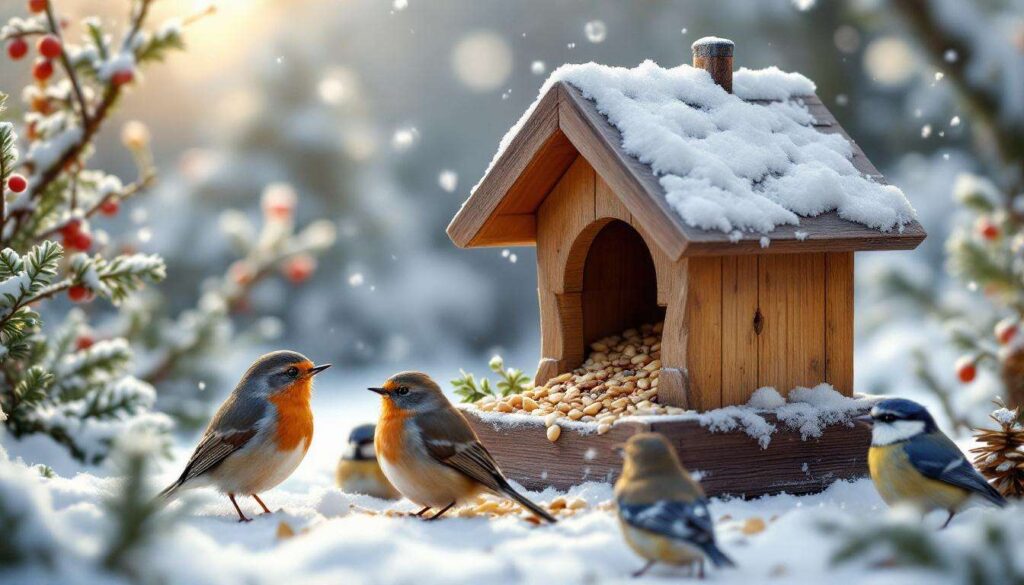
As temperatures plummet and natural food sources become scarce, many garden enthusiasts wonder how best to support their feathered visitors. The good news is that feeding birds during winter doesn’t require complicated strategies or expensive specialist products. With just a handful of simple, readily available ingredients, you can create a welcoming haven that attracts a diverse array of species whilst providing them with the essential nutrition they need to survive the coldest months. Understanding what to offer and why these particular foods matter can transform your garden into a vital refuge for local bird populations.
The importance of feeding birds in winter
Winter presents significant challenges for British garden birds, as natural food supplies diminish dramatically when insects hibernate, seeds become depleted, and frozen ground makes foraging extremely difficult. During this period, birds require substantially more energy to maintain their body temperature, yet they have fewer daylight hours in which to find sufficient food. Supplementary feeding can literally mean the difference between survival and starvation for many species.
Why your garden matters
Research conducted by ornithological organisations has demonstrated that garden feeding stations support approximately 60% of British bird species at some point during winter. Your contribution, however modest it may seem, forms part of a crucial network of feeding sites that helps sustain populations through harsh weather. When temperatures drop below freezing or snow covers the ground, birds can lose up to 10% of their body weight overnight, making reliable food sources absolutely essential.
The conservation impact
Beyond immediate survival, winter feeding programmes have measurable effects on bird populations. Studies show that well-fed birds enter the breeding season in better condition, producing healthier offspring and improving overall reproductive success. This becomes particularly important as many species face declining numbers due to habitat loss and agricultural intensification.
Understanding these broader implications helps contextualise why choosing the right foods matters so much for the birds visiting your garden.
Understanding the dietary needs of garden birds
Different bird species have evolved with varied dietary requirements and feeding behaviours, which explains why a single food type rarely satisfies all visitors. Some birds possess powerful beaks designed for cracking hard shells, whilst others have delicate bills suited to smaller seeds. Recognising these distinctions allows you to cater effectively to multiple species simultaneously.
Energy requirements in cold weather
During winter, birds need foods that provide maximum calorific value. Fat-rich options become particularly valuable because they deliver concentrated energy in small packages. A typical garden bird may need to consume up to 30% of its body weight daily just to survive freezing conditions, making high-energy foods absolutely crucial.
Nutritional balance matters
Whilst energy density is important, birds also require adequate protein, vitamins, and minerals. A varied diet helps ensure they receive complete nutrition rather than simply filling their stomachs. Consider offering foods that provide:
- Essential fatty acids for feather condition and insulation
- Protein for muscle maintenance and repair
- Calcium for bone health and egg production preparation
- Vitamins that support immune function during stressful periods
With these nutritional principles established, we can examine specific ingredients that deliver optimal benefits.
Sunflower seeds: an essential choice
Among all bird foods, sunflower seeds stand out as perhaps the most universally appreciated option. Both black oil sunflower seeds and striped varieties attract an impressive range of species, though the black oil type generally proves more popular due to its higher oil content and thinner shell.
Why birds love sunflower seeds
Sunflower seeds contain approximately 50% fat content, making them exceptionally energy-dense. They’re packed with protein, vitamin E, and essential minerals. Species such as blue tits, great tits, greenfinches, and nuthatches readily consume them, whilst larger birds like woodpeckers also appreciate this reliable food source.
Choosing between hulled and unhulled
You can purchase sunflower seeds with or without shells. Hulled hearts cost more but create less mess beneath feeders and suit smaller birds that struggle with tough shells. Unhulled seeds last longer in storage and provide entertainment as birds work to extract the kernels.
| Seed Type | Fat Content | Best For | Considerations |
|---|---|---|---|
| Black oil sunflower | 50-52% | Most species | Thin shells, easy to crack |
| Striped sunflower | 45-48% | Larger birds | Thicker shells, less popular |
| Sunflower hearts | 50-52% | All birds | No mess, higher cost |
Whilst sunflower seeds form an excellent foundation, they work best when complemented by other protein-rich options.
Peanuts: a valuable energy source
Peanuts provide outstanding nutritional value with their combination of protein, healthy fats, and essential vitamins. However, they require careful selection and presentation to ensure bird safety and maximise their benefits.
Safety considerations
Always purchase peanuts specifically sold for bird feeding, as these undergo testing for aflatoxins, dangerous compounds produced by moulds that can prove fatal to birds. Never offer salted, roasted, or flavoured peanuts intended for human consumption. Additionally, whole peanuts present choking hazards during breeding season when adult birds might feed them to chicks, so use mesh feeders that force birds to take small pieces.
Which species benefit most
Peanuts attract numerous species including:
- Tits (blue, great, coal, and marsh)
- Woodpeckers (great spotted and green)
- Nuthatches
- Starlings
- Jays
- Siskins
The high protein content makes peanuts particularly valuable for birds that cache food, storing supplies for later consumption when conditions worsen.
Beyond these individual ingredients, combining multiple food types creates even greater appeal for diverse species.
Seed mixes: catering to various species
Quality seed mixtures offer convenient solutions for attracting multiple bird species with different preferences. However, not all commercial mixes provide equal value, and understanding what to look for helps avoid wasting money on inferior products.
What makes a good mix
Premium seed mixtures typically contain ingredients such as sunflower seeds, nyjer seeds, millet, and crushed maize. Avoid cheap mixes bulked out with wheat, barley, and split peas, which many garden birds simply discard, creating waste and potentially attracting unwanted visitors like pigeons and rats.
Specialist blends for specific birds
Consider your target species when selecting mixes. Finch blends containing nyjer and small seeds suit goldfinches and siskins, whilst robin and ground-feeding mixes with softer ingredients appeal to thrushes, blackbirds, and wrens. Some suppliers offer seasonal formulations with adjusted fat and protein ratios appropriate for winter conditions.
Storage and freshness
Purchase seed in quantities you’ll use within six weeks, storing it in sealed containers in cool, dry locations. Mouldy or rancid seed can harm birds, so inspect supplies regularly and discard anything that smells musty or appears discoloured.
Whilst food choices receive considerable attention, one frequently overlooked element proves equally vital for winter bird survival.
Water: a crucial element for birds
Many people focus exclusively on food whilst forgetting that birds need access to fresh water throughout winter. Natural sources freeze solid during cold snaps, leaving birds unable to drink or bathe, both essential activities for maintaining health.
Why winter water matters
Birds require water for digestion, particularly when consuming dry seeds. They also need to bathe regularly to maintain feather condition, which directly affects their insulation properties. Clean, well-maintained plumage can mean the difference between adequate warmth and dangerous heat loss.
Preventing freezing
Several strategies help keep water available during freezing weather:
- Float a tennis ball in birdbaths to delay ice formation
- Pour warm (not boiling) water over ice to melt it
- Use purpose-designed heated birdbaths or immersion heaters
- Replace frozen water several times daily during severe cold
- Position water containers in sunny spots that receive maximum warmth
Maintaining hygiene
Clean water containers weekly using a stiff brush and diluted disinfectant, rinsing thoroughly. This prevents disease transmission between visiting birds and ensures water remains palatable and safe.
Supporting garden birds through winter requires surprisingly little effort when you focus on these fundamental provisions. By offering sunflower seeds, peanuts, quality seed mixes, and reliable water sources, you create a comprehensive feeding station that meets diverse nutritional needs. These simple ingredients, presented safely and maintained conscientiously, provide everything necessary to help your feathered visitors survive the harshest months whilst bringing colour, movement, and natural beauty to your outdoor space throughout the coldest season.