



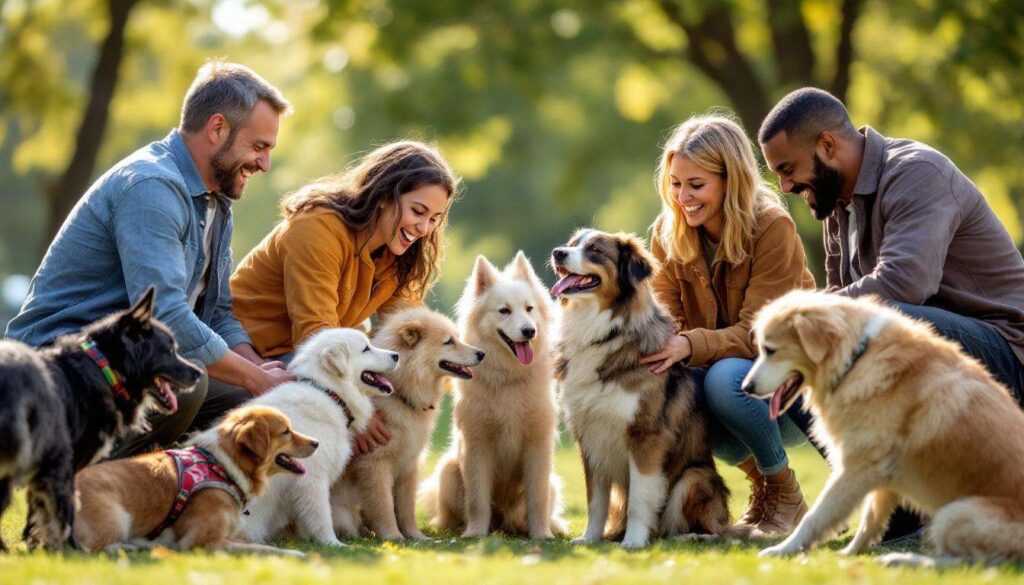
Our relationship with dogs extends far beyond companionship and loyalty. Recent scientific research suggests that these four-legged friends might be reshaping our biology in ways we never imagined, particularly through alterations to our gut microbiome. This microscopic ecosystem, comprising trillions of bacteria residing in our digestive tract, plays a surprisingly significant role in regulating our emotions, behaviour, and social interactions. The presence of dogs in our lives appears to modify this delicate bacterial balance, potentially making us more empathetic, sociable, and emotionally responsive to others.
The role of the microbiome in our mental health
Understanding the gut-brain axis
The human microbiome functions as a complex communication network between our digestive system and our brain. This bidirectional pathway, known as the gut-brain axis, allows bacteria in our intestines to produce neurotransmitters and other chemical messengers that directly influence our mood, cognition, and social behaviour. Research has demonstrated that certain bacterial strains can manufacture serotonin, dopamine, and gamma-aminobutyric acid, all crucial compounds for mental wellbeing.
Microbial diversity and emotional regulation
The diversity of our gut bacteria correlates strongly with psychological health. Individuals with greater microbial variety tend to exhibit:
- Enhanced stress resilience and lower anxiety levels
- Improved emotional regulation and mood stability
- Better social cognition and empathy
- Reduced symptoms of depression
Scientists have identified specific bacterial families that appear particularly influential in shaping our capacity for social interaction and emotional connection with others.
This understanding of how microscopic organisms affect our psychological state sets the stage for examining how our canine companions might actively reshape this internal ecosystem.
How dogs influence our microbiome
Microbial exchange between humans and dogs
Living with dogs creates an environment of constant microbial exchange. Through physical contact, shared living spaces, and outdoor activities, dog owners are exposed to a broader range of bacterial species. Studies have shown that households with dogs harbour significantly more diverse environmental microbes than those without pets. This exposure occurs through:
- Direct contact such as petting, licking, and cuddling
- Shared indoor environments where dog-associated bacteria colonise surfaces
- Outdoor excursions that introduce soil-based microorganisms
- Airborne bacterial transmission within the home
Specific bacterial changes in dog owners
Research has identified measurable differences in the gut composition of dog owners compared to non-owners. Lactobacillus and Bifidobacterium species, both associated with improved mental health outcomes, appear in higher concentrations among individuals who regularly interact with dogs. The table below illustrates key microbial differences:
| Bacterial group | Dog owners | Non-owners | Associated benefit |
|---|---|---|---|
| Lactobacillus species | Higher abundance | Lower abundance | Stress reduction |
| Bifidobacterium | Increased diversity | Limited diversity | Mood regulation |
| Overall diversity | 23% greater | Baseline | Social cognition |
These microbial modifications create a biological foundation for the behavioural changes observed in dog owners, particularly regarding their social interactions.
The social benefits of human-dog interactions
Enhanced empathy and emotional intelligence
Dog ownership correlates with measurable improvements in empathy and emotional awareness. The responsibility of caring for another living being, combined with the non-verbal communication required in human-dog relationships, appears to strengthen our capacity for understanding and responding to emotional cues. This heightened sensitivity extends beyond interactions with our pets to encompass our relationships with other humans.
Increased social connectivity
Dogs serve as social catalysts, facilitating interactions that might otherwise never occur. Dog owners report significantly more casual conversations with strangers, neighbourhood connections, and community involvement. The presence of a dog provides:
- A natural conversation starter in public spaces
- Shared interests with other dog owners
- Regular outdoor activities that increase social exposure
- Reduced social anxiety in unfamiliar situations
These social encounters, whilst seemingly superficial, contribute to a sense of community belonging and reduced isolation, factors that profoundly impact mental health and wellbeing.
The observable changes in social behaviour prompt important questions about the underlying mechanisms driving these transformations.
Behavioural changes: the dog effect
Measurable personality shifts
Longitudinal studies tracking individuals before and after acquiring dogs have documented significant personality changes. Dog owners demonstrate increased extraversion, conscientiousness, and agreeableness compared to their pre-ownership baseline measurements. These shifts appear to persist as long as the individual maintains their relationship with their pet.
Stress response and oxytocin production
Interactions with dogs trigger the release of oxytocin, often called the bonding hormone, in both humans and their canine companions. This neurochemical cascade reduces cortisol levels, lowers blood pressure, and creates feelings of attachment and trust. Interestingly, the gut microbiome influences oxytocin production, suggesting a circular relationship where dogs affect our bacteria, which in turn modulates our hormonal responses and social behaviour.
The accumulating evidence from controlled research provides compelling support for these observed phenomena.
Scientific studies on the impact of dogs on the microbiome
Key research findings
Multiple research institutions have investigated the connection between dog ownership and microbial composition. A study conducted at the University of California examined the gut bacteria of sixty families, half with dogs and half without. The results demonstrated that dog-owning families shared more bacterial species with each other and exhibited greater overall microbial diversity. Another investigation in Finland followed infants raised in households with dogs, finding they developed more robust immune systems and displayed fewer allergies.
Limitations and ongoing research
Whilst current evidence strongly suggests a connection between dogs, microbiomes, and social behaviour, researchers acknowledge several limitations. Establishing causation rather than mere correlation remains challenging. Questions persist about:
- Whether naturally more sociable people are simply more likely to own dogs
- The specific mechanisms by which bacterial changes translate to behavioural outcomes
- Individual variations in response to microbial alterations
- Long-term stability of microbiome changes after dog ownership ceases
These findings carry profound implications for how we might structure our communities and approach mental health interventions.
Implications for society: towards better sociability
Public health applications
Understanding the microbiome-mediated benefits of dog ownership could inform innovative public health strategies. Therapeutic programmes incorporating animal interactions might offer complementary treatments for social anxiety, depression, and isolation. Urban planning that accommodates dog-friendly spaces could inadvertently promote community mental health through increased microbial diversity and social interaction.
Broader considerations
These discoveries raise important questions about our relationship with the natural world and the microorganisms we share it with. Modern hygiene practices and urbanisation have dramatically reduced our microbial exposure compared to previous generations. Dogs may represent one accessible means of restoring some of this lost diversity, with tangible benefits for our emotional and social functioning.
The emerging science connecting dogs, microbiomes, and human behaviour represents a fascinating convergence of biology, psychology, and social dynamics. Evidence increasingly supports the notion that our canine companions are literally changing us from the inside out, modifying our gut bacteria in ways that enhance empathy, reduce stress, and improve our capacity for social connection. Whilst research continues to unravel the precise mechanisms at work, the practical implications are already clear: our relationship with dogs offers benefits that extend far beyond simple companionship, potentially reshaping our biological foundation for social interaction and emotional wellbeing.