



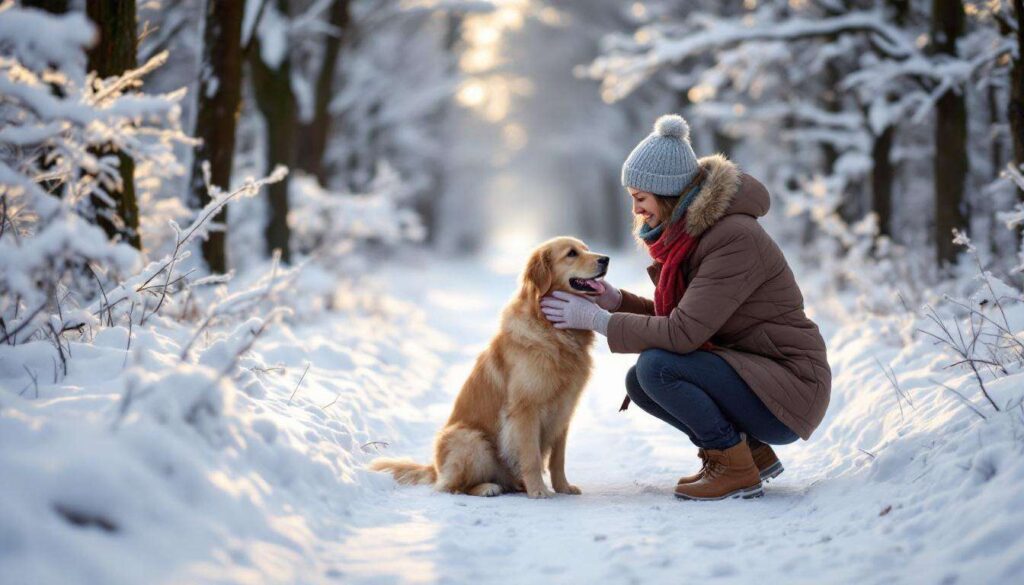
Dog owners across the United Kingdom are being reminded to take extra precautions during the winter months, particularly when it comes to caring for their pets after outdoor walks. With freezing temperatures and icy pavements becoming commonplace, local authorities routinely spread salt and grit across roads and pathways to ensure public safety. Whilst these measures protect pedestrians from slips and falls, they can pose significant health risks to our canine companions. Animal welfare organisations are now urging dog owners to adopt a simple yet effective practice: wiping their dogs’ paws thoroughly after every winter walk to prevent a range of potentially serious illnesses.
The hidden dangers of winter for dogs
Understanding the seasonal threats
Winter presents numerous challenges for dogs beyond the obvious discomfort of cold weather. The season brings with it a combination of environmental hazards that many owners may not immediately recognise. Icy surfaces, freezing temperatures, and the chemical substances used to combat these conditions create a perfect storm of potential health issues for pets.
Chemical exposure on winter pavements
The primary concern during winter months stems from the widespread use of de-icing products. Local councils and private property owners apply these substances liberally to prevent accidents, but few consider the impact on animals. Dogs walking across treated surfaces accumulate these chemicals on their paw pads, and the consequences can be far more severe than simple irritation. The materials commonly used include:
- Rock salt (sodium chloride)
- Calcium chloride
- Magnesium chloride
- Potassium chloride
- Commercial grit mixtures
Temperature-related vulnerabilities
Beyond chemical hazards, the cold itself poses risks. Dogs with shorter coats, smaller breeds, puppies, and elderly dogs are particularly susceptible to hypothermia and frostbite. Their paw pads, despite being tougher than human skin, can still suffer from cold-related injuries when exposed to prolonged freezing conditions. Understanding these combined threats helps owners appreciate why post-walk care has become such a critical aspect of responsible pet ownership during winter.
These various winter hazards make it essential to examine why cleaning your dog’s paws has evolved from a simple hygiene measure to a vital health precaution.
The importance of cleaning paws after walks
Preventing toxic ingestion
Dogs instinctively lick their paws to clean themselves, a behaviour that becomes extremely dangerous when harmful substances are present. When salt, grit, or other de-icing chemicals remain on paw pads after a winter walk, this natural grooming behaviour transforms into a route for toxic ingestion. Even small amounts of these substances can trigger adverse reactions, making thorough paw cleaning an essential protective measure rather than an optional extra.
Maintaining paw pad health
Regular paw wiping serves multiple purposes beyond preventing ingestion. The practice helps maintain the integrity of the paw pads themselves, which can become damaged by prolonged contact with harsh chemicals and rough grit. Clean paws mean:
- Reduced risk of cracking and dryness
- Prevention of painful sores
- Early detection of injuries or foreign objects
- Maintenance of natural protective oils
- Decreased likelihood of bacterial infections
Creating a protective routine
Establishing a consistent post-walk cleaning routine provides an opportunity to inspect your dog’s paws for any signs of damage or distress. This regular examination allows owners to identify problems early, before they develop into serious medical conditions requiring veterinary intervention. The few minutes spent wiping paws after each walk can prevent days of discomfort and potentially expensive treatment.
Whilst general paw care is important, specific substances used during winter warrant particular attention due to their corrosive properties.
The risks associated with salt and grit on paw pads
Physical damage to paw pads
Rock salt and grit create a double threat to canine paw health. The abrasive nature of grit can cause mechanical damage, essentially acting like sandpaper against the sensitive skin between toes and on paw pads. Salt compounds this problem by drawing moisture from tissues, leading to:
| Condition | Symptoms | Severity |
|---|---|---|
| Desiccation | Dry, flaky skin | Mild to moderate |
| Cracking | Visible fissures, bleeding | Moderate to severe |
| Chemical burns | Redness, inflammation, pain | Severe |
| Secondary infections | Swelling, discharge, limping | Severe |
Systemic health impacts from ingestion
When dogs lick salt and grit from their paws, the ingested materials can cause significant internal problems. The digestive system becomes irritated, leading to vomiting and diarrhoea. More concerning is the potential for electrolyte imbalances, particularly sodium toxicity, which manifests through excessive thirst, confusion, and in severe cases, neurological symptoms including tremors and seizures.
Long-term exposure consequences
Repeated exposure to these substances without proper paw care can result in chronic conditions that affect a dog’s quality of life. Persistent inflammation may lead to permanent paw pad damage, making walking painful even during warmer months. Some dogs develop behavioural changes, becoming reluctant to walk or showing signs of anxiety before outdoor excursions.
Recognising these risks naturally leads to the question of how owners can effectively protect their pets throughout the winter season.
Practical tips for protecting your dog in winter
Effective paw wiping techniques
Proper paw cleaning requires more than a cursory wipe. After each walk, owners should use a damp cloth or pet-safe wipes to thoroughly clean all four paws, paying particular attention to the spaces between toes where salt and grit accumulate. The process should include:
- Gently spreading toes to access interdigital spaces
- Wiping the entire paw pad surface
- Checking for embedded debris or cuts
- Drying paws completely to prevent moisture-related issues
- Applying paw balm if pads appear dry or damaged
Preventative measures during walks
Protection begins before dogs even step outside. Dog boots provide an excellent barrier against salt and grit, though not all dogs tolerate wearing them. For those that do, boots offer comprehensive protection. Alternative strategies include choosing walking routes that avoid heavily treated areas, keeping walks shorter during extreme weather, and applying protective paw wax before venturing outdoors.
Home environment considerations
Creating a designated paw-cleaning station near the entrance makes the post-walk routine more efficient. Stock this area with appropriate cleaning supplies, towels, and inspection tools. Consider placing mats at doorways to catch residual debris and prevent tracking chemicals throughout the home, which could expose dogs to additional contamination.
These practical measures align closely with professional recommendations from those who understand canine health most thoroughly.
Veterinary experts’ opinions on canine health in winter
Professional guidance on paw care
Veterinary professionals consistently emphasise that prevention is far superior to treatment when it comes to winter-related paw injuries. Experts note that the simple act of wiping paws can eliminate the vast majority of risks associated with winter walking. They recommend making paw inspection and cleaning as routine as feeding, transforming it into an automatic habit rather than an occasional consideration.
Warning signs requiring veterinary attention
Despite best preventative efforts, some dogs may still develop problems requiring professional care. Veterinary experts advise seeking immediate attention if dogs display:
- Persistent limping or reluctance to bear weight
- Visible bleeding or deep cracks in paw pads
- Excessive licking or chewing at paws
- Swelling or heat in the paw area
- Signs of systemic illness after walks
Breed-specific considerations
Veterinary guidance acknowledges that different breeds face varying levels of winter vulnerability. Dogs with naturally furry paws, such as certain Arctic breeds, may accumulate more snow and ice between their toes. Conversely, breeds with minimal paw fur might experience more direct contact with harmful substances. Tailored approaches based on individual dog characteristics ensure optimal protection.
This professional insight translates into concrete actions that owners can implement immediately to safeguard their pets.
Daily actions to prevent winter illnesses in dogs
Establishing consistent routines
Consistency proves crucial in protecting dogs throughout winter. Establishing a non-negotiable routine of paw wiping after every single outdoor excursion ensures no exposure goes unaddressed. This routine should extend beyond paw care to include checking the dog’s overall condition, monitoring for signs of cold stress, and adjusting walk duration based on weather severity.
Indoor enrichment alternatives
When conditions become particularly harsh, reducing outdoor exposure whilst maintaining mental and physical stimulation becomes necessary. Indoor activities can partially substitute for walks, including puzzle feeders, training sessions, hide-and-seek games, and indoor fetch in appropriate spaces. These alternatives prevent boredom whilst minimising exposure to winter hazards.
Monitoring and adaptation
Effective winter care requires ongoing assessment and adjustment. Owners should monitor weather forecasts, noting when particularly heavy salting is likely, and plan accordingly. Keeping records of any paw problems helps identify patterns and potential sensitivities, allowing for proactive modifications to care routines before issues escalate.
Winter presents undeniable challenges for dog owners, but simple, consistent practices can effectively mitigate most risks. The act of wiping paws after walks, combined with vigilant observation and appropriate preventative measures, provides robust protection against salt, grit, and cold-related injuries. By understanding the specific threats winter poses and implementing the straightforward recommendations from animal welfare organisations and veterinary professionals, owners can ensure their dogs remain healthy and comfortable throughout the coldest months. These small daily actions represent the difference between a season of discomfort and illness versus one of safe, enjoyable outdoor experiences for beloved canine companions.