


The bond between humans and dogs transcends simple companionship, representing one of nature’s most remarkable interspecies relationships. Whilst all dogs possess the capacity for devotion, certain breeds demonstrate an exceptional propensity to form rapid and profound connections with their owners. These breeds combine specific temperamental qualities, historical breeding purposes, and innate characteristics that facilitate swift emotional attachment. Understanding which breeds excel in forming these bonds can guide prospective owners towards a fulfilling partnership that enriches both human and canine lives.
The importance of loyalty in dogs
Understanding canine loyalty as a survival trait
Loyalty in dogs represents far more than a charming personality trait; it constitutes a fundamental aspect of canine psychology rooted in evolutionary biology. Dogs descended from wolves that survived by forming cooperative pack structures, where loyalty to the group ensured collective success in hunting, defence, and reproduction. This ancestral programming manifests in modern dogs as an intrinsic desire to bond with their human family, whom they perceive as their contemporary pack.
The psychological benefits of a loyal companion
Research consistently demonstrates that loyal dogs provide substantial psychological advantages to their owners:
- reduction in stress hormones such as cortisol through consistent companionship
- increased production of oxytocin, the bonding hormone, during interactions
- enhanced emotional stability through predictable affection and presence
- improved mental health outcomes for individuals experiencing loneliness or depression
- greater sense of purpose and responsibility that structures daily routines
Loyalty versus obedience in canine behaviour
It remains essential to distinguish between genuine loyalty and trained obedience. Whilst obedient dogs follow commands through conditioning, truly loyal dogs demonstrate devotion that transcends reward-based motivation. Loyal dogs exhibit protective instincts, seek proximity to their owners even without encouragement, and display genuine distress during separations. This emotional investment creates reciprocal relationships where both parties derive comfort and security from the connection.
The mechanisms underlying canine loyalty naturally lead to questions about which specific factors accelerate or inhibit bond formation between dogs and their human companions.
Factors influencing canine connection
Genetic predisposition and breed characteristics
Selective breeding over centuries has amplified certain traits in specific breeds, creating genetic predispositions towards human attachment. Breeds developed for companionship, such as toy breeds, possess heightened sensitivity to human emotional states. Working breeds bred to collaborate closely with handlers, including herding and retrieving dogs, demonstrate innate motivation to please and cooperate with humans. These genetic foundations establish the baseline potential for rapid bonding.
Early socialisation and developmental periods
The critical socialisation window between three and fourteen weeks of age profoundly influences a dog’s capacity for forming bonds. Puppies exposed to positive human interaction during this period develop:
- greater confidence in human presence and handling
- enhanced ability to read human body language and vocal cues
- reduced anxiety in domestic environments
- stronger foundation for trust-based relationships
Owner behaviour and consistency
Whilst breed characteristics provide the framework, owner behaviour determines the pace and strength of bond formation. Dogs respond positively to consistent routines, clear communication, and predictable responses. Owners who invest time in training, play, and physical affection accelerate the bonding process. Conversely, inconsistent discipline, neglect, or harsh treatment can permanently damage the potential for deep connection, regardless of breed predisposition.
| Factor | Impact on bonding speed | Timeframe for effect |
|---|---|---|
| Positive reinforcement training | High acceleration | 2-4 weeks |
| Daily exercise routine | Moderate acceleration | 4-8 weeks |
| Inconsistent discipline | Significant delay | Ongoing negative impact |
| Quality time together | Very high acceleration | 1-3 weeks |
Understanding these influencing factors provides essential context for selecting a breed that aligns with one’s personal circumstances and capabilities.
Choosing the right breed for your lifestyle
Assessing your living environment
The physical space available significantly impacts breed suitability. Large, energetic breeds require substantial outdoor access and suffer in confined apartments, potentially hindering bond development through frustration and behavioural issues. Smaller breeds adapt more readily to compact living spaces, though they still require regular exercise. Consider whether you possess a secure garden, live near parks, or can commit to multiple daily walks when evaluating breed compatibility.
Evaluating time availability and commitment
Different breeds demand varying levels of time investment:
- high-energy working breeds require 2-3 hours daily of exercise and mental stimulation
- companion breeds need constant human presence and suffer from separation anxiety
- independent breeds tolerate solitude better but may bond more slowly
- intelligent breeds demand ongoing training and enrichment activities
Realistic assessment of available time prevents mismatches that frustrate both owner and dog, ultimately impeding the formation of a strong bond.
Matching energy levels and temperament
Successful partnerships typically involve compatible energy levels between owner and dog. Active individuals who enjoy hiking, running, or outdoor activities thrive with energetic breeds that share these interests. Conversely, sedentary owners or those with mobility limitations find greater satisfaction with calmer, less demanding breeds. Temperamental compatibility extends beyond activity levels to include tolerance for noise, children, other pets, and social situations.
With these lifestyle considerations clarified, attention turns to the specific breeds that demonstrate exceptional capacity for rapid and enduring bonds with their owners.
The most loyal breeds and their characteristics
Labrador Retriever: the quintessential family companion
Labrador Retrievers consistently rank among the most popular breeds due to their exceptional sociability and adaptability. Originally bred to retrieve game for hunters, Labs possess an innate desire to please and work alongside humans. Their enthusiastic, affectionate nature manifests immediately, with puppies forming attachments within days of joining a household. Labs thrive in active families, demonstrating patience with children and tolerance for chaos that makes them ideal for diverse living situations.
Golden Retriever: empathetic and intuitive
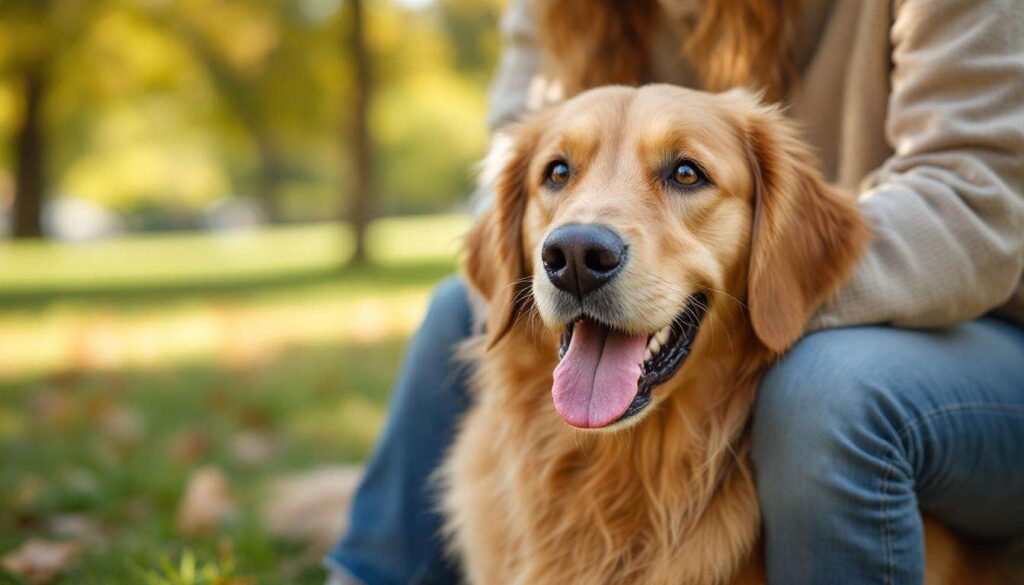
Golden Retrievers possess remarkable emotional intelligence, enabling them to perceive and respond to human emotional states with uncanny accuracy. This sensitivity accelerates bonding as owners feel genuinely understood by their canine companions. Goldens excel as therapy and assistance dogs precisely because of this intuitive connection. Their gentle demeanour combined with moderate energy levels suits families seeking a devoted companion without overwhelming demands.
German Shepherd: loyal protector and partner
German Shepherds form intensely focused bonds with their primary handlers, demonstrating unwavering loyalty and protective instincts. Their intelligence and trainability create rapid connections through working partnerships, whether in protection, search and rescue, or competitive obedience. Shepherds require experienced owners who provide firm, consistent leadership, but reward this guidance with absolute devotion and reliability.
Cavalier King Charles Spaniel: the affectionate lapdog
Cavaliers were specifically bred for companionship, resulting in dogs that bond almost instantly with their owners. Their small size, gentle temperament, and desire for constant proximity make them ideal for individuals seeking an inseparable companion. Cavaliers adapt well to various living situations and particularly suit elderly owners or those with limited mobility.
Border Collie: the intelligent workaholic
Border Collies form bonds through collaborative work and mental challenges. Their exceptional intelligence demands constant engagement, but owners who provide appropriate stimulation develop extraordinarily tight partnerships. These dogs anticipate commands, learn complex tasks rapidly, and demonstrate profound satisfaction in pleasing their handlers through successful completion of activities.
Additional breeds demonstrating rapid bonding
Several other breeds merit recognition for their bonding capabilities:
- Australian Shepherd: energetic, devoted working dogs requiring active lifestyles
- Boxer: playful, affectionate guardians with boundless enthusiasm
- Doberman Pinscher: protective yet surprisingly gentle with family members
- Shih Tzu: small companion dogs with centuries of breeding for human attachment
- Cocker Spaniel: empathetic, adaptable dogs thriving in family environments
Selecting an appropriate breed represents only the beginning of the bonding journey, as deliberate actions strengthen and deepen the connection over time.
Tips for strengthening the bond with your dog
Establishing consistent routines and communication
Dogs find security in predictability, making consistent daily routines fundamental to bond development. Regular feeding times, walk schedules, and bedtime rituals create a framework within which trust flourishes. Clear, consistent communication through verbal cues, hand signals, and body language enables dogs to understand expectations, reducing anxiety and building confidence in the relationship.
Investing in positive training experiences
Training sessions provide opportunities for collaboration that strengthen bonds beyond simple obedience. Positive reinforcement methods create enjoyable learning experiences that dogs associate with their owners. Focus on:
- short, frequent training sessions maintaining engagement without frustration
- reward-based methods using treats, praise, and play
- gradually increasing difficulty to provide ongoing challenges
- incorporating training into daily activities rather than isolated sessions
Prioritising quality time and physical affection
Beyond structured activities, unstructured quality time deepens emotional connections. Regular grooming sessions, quiet cuddle time, and simply being present together without distractions all contribute to bonding. Physical affection through petting, massage, and play triggers oxytocin release in both dogs and humans, biochemically reinforcing the attachment.
Addressing health and wellbeing proactively
Dogs whose physical and emotional needs are consistently met develop greater trust and security in their relationships. Regular veterinary care, appropriate nutrition, adequate exercise, and mental stimulation demonstrate commitment that dogs perceive and reciprocate. Addressing anxiety, fear, or behavioural issues promptly prevents these problems from damaging the developing bond.
The relationship between humans and dogs represents one of domestication’s greatest successes, offering profound emotional rewards to both species. Breeds with genetic predispositions towards rapid bonding provide excellent foundations, but the strength and depth of connection ultimately depends upon owner commitment, consistency, and care. Whether selecting a Labrador’s exuberance, a German Shepherd’s devotion, or a Cavalier’s gentle affection, prospective owners should prioritise lifestyle compatibility alongside bonding potential. The investment of time, patience, and love transforms breed characteristics into individualised partnerships that enrich daily life immeasurably. For those considering dog ownership, shelters and rescue organisations house countless dogs of all breeds and mixes, each capable of forming profound bonds when given the opportunity and appropriate environment to flourish.