



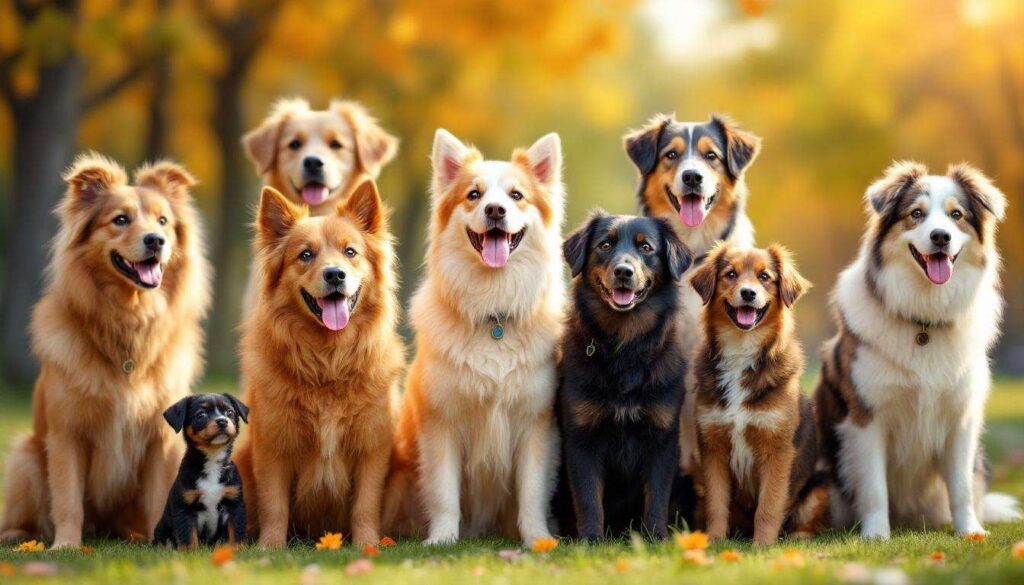
Choosing a dog involves far more than simply falling for a pair of soulful eyes or a wagging tail. The decision to welcome a canine companion into your home requires careful consideration of numerous factors that will determine whether the relationship flourishes or becomes a source of frustration. From energy levels and living space to grooming requirements and temperament, each breed brings its own set of characteristics that must align with your circumstances. Making an informed choice ensures not only your happiness but also the wellbeing of your future four-legged friend.
Understanding the needs of your future companion
Physical exercise requirements
Every dog breed possesses distinct exercise needs that potential owners must acknowledge before making a commitment. Border collies and Australian shepherds, for instance, require substantial daily activity to maintain their physical and mental health, whilst breeds such as bulldogs or basset hounds are content with moderate walks. Failing to meet these requirements can lead to destructive behaviour, anxiety, and health problems.
- High-energy breeds: border collies, Jack Russell terriers, Belgian Malinois
- Moderate-energy breeds: Labradors, golden retrievers, cocker spaniels
- Low-energy breeds: bulldogs, pugs, Cavalier King Charles spaniels
Space and environmental considerations
The size of your living space plays a crucial role in determining which breeds will thrive in your home. Whilst many assume that large dogs automatically require expansive gardens, some giant breeds like Great Danes are surprisingly relaxed indoors and adapt well to flat living. Conversely, small terriers often possess boundless energy that demands more space than their size suggests. Consider not just square footage but also access to outdoor areas, nearby parks, and the general environment surrounding your home.
Lifespan and long-term commitment
Different breeds come with varying life expectancies that influence the duration of your commitment. Smaller breeds typically live longer, with some toy breeds reaching fifteen years or more, whilst giant breeds often have shorter lifespans of seven to ten years. This consideration extends beyond emotional attachment to encompass financial planning for veterinary care, insurance, and the lifestyle adjustments required throughout the dog’s life stages.
These fundamental needs form the foundation upon which all other considerations rest, leading naturally to examining how your daily routine shapes the ideal breed selection.
The influence of lifestyle on breed choice
Work schedules and time availability
Your professional commitments significantly impact which breeds will suit your household. Dogs that suffer from separation anxiety, such as German shepherds or Weimaraners, struggle when left alone for extended periods. Meanwhile, more independent breeds like basenjis or Shiba Inus cope better with owners who work full-time. Consider whether you can provide midday walks, arrange dog-sitting, or work from home before selecting a particularly needy breed.
| Lifestyle factor | Suitable breeds | Challenging breeds |
|---|---|---|
| Full-time office work | Basset hounds, French bulldogs | Border collies, vizslas |
| Active outdoor lifestyle | Siberian huskies, German shorthaired pointers | Pugs, bulldogs |
| Frequent travel | Adaptable medium breeds | Anxious or giant breeds |
Family composition and dynamics
Households with young children require breeds known for patience and gentle temperaments. Golden retrievers, beagles, and Labrador retrievers typically excel in family environments, whilst breeds with lower tolerance for noise and unpredictable movements may become stressed. Elderly family members might benefit from calmer, smaller breeds that don’t risk knocking them over during enthusiastic greetings.
Activity levels and hobbies
Your recreational pursuits should align with your dog’s capabilities. Runners and hikers find ideal companions in breeds like Weimaraners or Rhodesian ridgebacks, whilst those who prefer leisurely strolls might choose cavaliers or Shih Tzus. Water enthusiasts often gravitate towards Labradors or Portuguese water dogs, breeds that naturally excel at swimming and water-based activities.
Beyond matching daily routines, understanding the inherent personality traits of different breeds becomes equally important.
Character and behaviour: essential criteria
Temperament variations across breeds
Each breed exhibits characteristic temperamental traits developed through generations of selective breeding. Terriers typically display feisty, determined personalities with strong prey drives, whilst retrievers generally demonstrate eager-to-please attitudes and gentle mouths. Guarding breeds like Rottweilers or Dobermanns possess protective instincts that require experienced handling, whereas companion breeds such as Bichon Frises prioritise human interaction above all else.
Compatibility with other pets
If your household already includes pets, breed selection becomes more complex. Some breeds, particularly those with high prey drives like greyhounds or huskies, may struggle to coexist peacefully with cats or small animals. Conversely, breeds developed for pack work, such as beagles or basset hounds, often integrate smoothly into multi-pet households. Research breed-specific tendencies thoroughly and consider arranging meetings before finalising your decision.
- Cat-friendly breeds: golden retrievers, Cavalier King Charles spaniels, Maltese
- Breeds requiring careful introduction: terriers, sighthounds, northern breeds
- Generally sociable with other dogs: Labradors, cocker spaniels, beagles
Noise levels and vocalisations
Different breeds demonstrate varying tendencies towards barking and vocalisation. Breeds developed for alerting, such as Shetland sheepdogs or miniature schnauzers, bark frequently and enthusiastically. Basenji dogs rarely bark but produce distinctive yodelling sounds, whilst breeds like Newfoundlands or Great Danes tend towards quieter dispositions. Consider your living situation, particularly if you reside in flats or areas with noise restrictions.
Understanding these behavioural patterns naturally leads to considering the practical aspects of maintaining your chosen breed.
Specific aspects of maintenance and care
Grooming demands and coat care
Grooming requirements vary dramatically between breeds, affecting both time investment and financial costs. Poodles, bichons, and breeds with continuously growing hair require professional grooming every six to eight weeks, whilst smooth-coated breeds like Dalmatians or boxers need only occasional brushing. Double-coated breeds such as German shepherds or huskies shed profusely twice yearly, demanding intensive brushing during these periods.
| Coat type | Maintenance level | Example breeds |
|---|---|---|
| Smooth short coat | Low | Boxers, Dalmatians, beagles |
| Double coat | High (seasonal) | German shepherds, golden retrievers |
| Continuously growing | Very high | Poodles, Yorkshire terriers |
Health predispositions and veterinary needs
Certain breeds carry genetic predispositions to specific health conditions that influence long-term care requirements and costs. Brachycephalic breeds like pugs and French bulldogs often experience respiratory issues, whilst large breeds such as Great Danes face increased risks of bloat and joint problems. Research breed-specific health concerns and factor potential veterinary expenses into your decision-making process.
Dietary requirements and feeding costs
The nutritional needs and associated costs of maintaining different breeds vary considerably. Giant breeds consume substantially more food than toy breeds, with monthly feeding expenses reflecting this difference significantly. Additionally, some breeds require specialised diets due to sensitivities or health conditions, further increasing costs. Calculate realistic feeding budgets based on adult weight and any breed-specific dietary considerations.
These practical care considerations connect directly to the educational and social development your dog will require.
The importance of training and socialisation
Trainability differences among breeds
Breeds demonstrate varying aptitudes for training based on their original purposes and inherent characteristics. Working breeds like border collies, German shepherds, and poodles typically learn commands rapidly and eagerly, whilst independent breeds such as Afghan hounds or basenjis may prove more challenging for novice owners. Understanding these differences helps set realistic expectations and determines whether professional training assistance might be necessary.
Socialisation requirements
All puppies require thorough socialisation during their critical developmental period, but some breeds demand more extensive exposure than others. Guarding breeds and those with protective instincts benefit from particularly comprehensive socialisation to prevent fearfulness or aggression. Conversely, naturally gregarious breeds like golden retrievers typically socialise more readily, though they still require proper introduction to various environments, people, and situations.
- Essential socialisation experiences: different people, other dogs, various environments
- Critical period: approximately 3 to 14 weeks of age
- Ongoing requirement: continued exposure throughout adolescence and adulthood
Behavioural challenges by breed
Different breeds present characteristic behavioural challenges that owners must prepare to address. Terriers often display stubbornness and strong prey drives, herding breeds may attempt to herd children or other pets, and scent hounds can become single-mindedly focused on interesting smells. Recognising these breed-typical behaviours allows you to implement appropriate training strategies and management techniques from the outset.
Armed with this comprehensive understanding, you can now approach the selection process with confidence and clarity.
How to choose the breed that truly suits you
Conducting thorough research
Begin your selection process by researching multiple sources of breed information. Consult breed-specific clubs, speak with veterinarians, and connect with current owners to gain realistic insights. Attend dog shows or breed-specific events where you can observe different breeds in person and ask questions of experienced breeders. Online resources provide valuable information, but direct interaction offers irreplaceable understanding of size, energy levels, and temperament.
Honest self-assessment
Evaluate your circumstances with complete honesty rather than wishful thinking. Consider not just your current situation but anticipated changes over the next decade. Will your living arrangements change ? Might your work schedule become more demanding ? Are you prepared for the financial commitment, including unexpected veterinary expenses ? Creating a realistic assessment prevents selecting a breed based on appearance or popularity rather than genuine compatibility.
Meeting the breed in person
Whenever possible, spend time with adult dogs of your chosen breed before committing. Puppies of all breeds appear adorable, but adult temperament, size, and energy levels provide the truest indication of what to expect. Visit reputable breeders, attend breed-specific rescue events, or arrange meetings through breed clubs. This hands-on experience often proves invaluable, sometimes confirming your choice or revealing unexpected incompatibilities.
Selecting the right dog breed represents a significant decision that shapes your life for years to come. The process demands careful consideration of exercise requirements, living space, lifestyle compatibility, temperament, grooming needs, and training demands. By thoroughly researching breeds, honestly assessing your circumstances, and prioritising long-term compatibility over initial attraction, you create the foundation for a rewarding relationship. The perfect breed for you exists not in abstract ideals but in the realistic alignment between a dog’s needs and your capacity to meet them consistently and lovingly.