



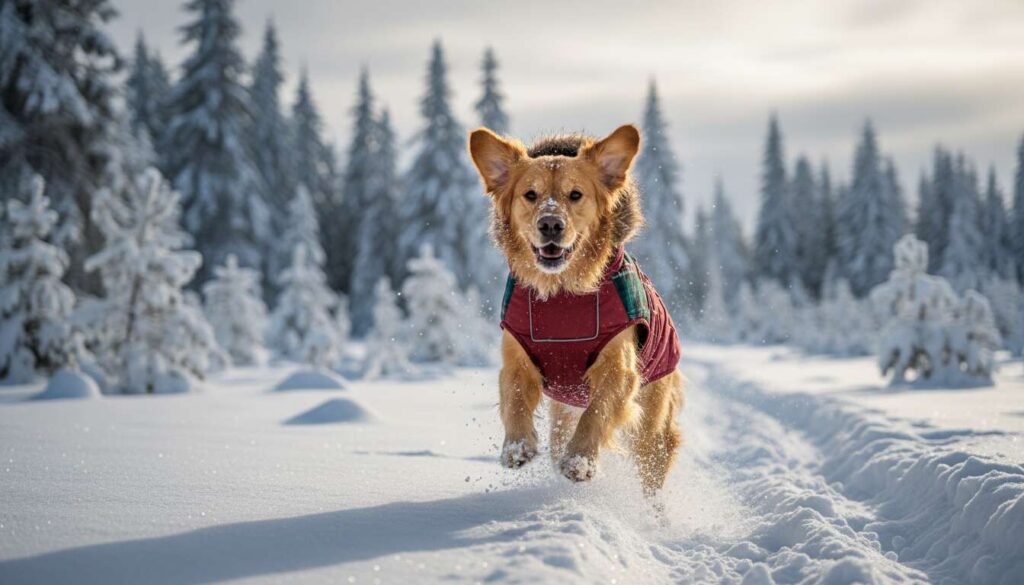
As temperatures plummet and winter settles in, dog owners face an important question: does their canine companion need extra protection against the cold ? Whilst some breeds thrive in frigid conditions, others struggle to maintain their body temperature when venturing outdoors. The decision to dress your dog in a coat isn’t merely a fashion statement but a practical consideration that can significantly impact their health and comfort. Understanding the factors that determine whether your pet requires additional insulation involves examining their physical characteristics, environmental conditions, and individual responses to cold weather.
Understanding dogs’ sensitivity to cold
Natural insulation mechanisms in canines
Dogs possess several natural defence mechanisms against cold temperatures that vary considerably between individuals. Their primary protection comes from their coat, which consists of two layers: the outer guard hairs that repel moisture and the undercoat that provides insulation. The density and length of these layers determine how effectively a dog can retain body heat. Additionally, dogs regulate their temperature through vasoconstriction, a process where blood vessels near the skin’s surface narrow to reduce heat loss.
Factors affecting cold tolerance
Several elements influence how well a dog copes with low temperatures:
- Body size and weight: smaller dogs lose heat more rapidly due to their higher surface area to volume ratio
- Age: puppies and senior dogs struggle to regulate body temperature efficiently
- Health status: dogs with conditions such as arthritis, diabetes, or heart disease are more vulnerable
- Coat type: single-coated breeds lack the insulating undercoat that protects double-coated breeds
- Body fat percentage: a healthy layer of subcutaneous fat provides additional insulation
The three-point rule explained
Veterinary professionals recommend using a simple three-point assessment to determine if your dog needs a coat. This rule considers three critical factors: the dog’s size, coat type, and the outdoor temperature. If your dog is small (under 10 kilograms), has a short or thin coat, and the temperature drops below 7°C, a coat becomes advisable. When temperatures fall below 0°C, even medium-sized dogs with moderate coats may benefit from additional protection, whilst large, thick-coated breeds typically remain comfortable without one.
Understanding these fundamental principles provides the foundation for making informed decisions about your dog’s specific needs in various weather conditions.
Dog breeds and their tolerance to cold
Breeds built for cold climates
Certain breeds have evolved specifically to withstand harsh winter conditions. Siberian Huskies, Alaskan Malamutes, Bernese Mountain Dogs, and Newfoundlands possess thick double coats, substantial body mass, and physiological adaptations that enable them to thrive in sub-zero temperatures. These breeds often become uncomfortable in heated indoor environments and may actually seek out cold spaces. Saint Bernards, Samoyeds, and Tibetan Mastiffs similarly excel in frigid weather, requiring minimal additional protection even during extended outdoor exposure.
Cold-sensitive breeds requiring protection
Conversely, numerous breeds exhibit significant vulnerability to cold and require coats when temperatures drop. Small breeds such as Chihuahuas, Yorkshire Terriers, and Italian Greyhounds possess minimal body fat and thin coats, making them particularly susceptible to hypothermia. Short-coated breeds including Greyhounds, Whippets, Boxers, and Doberman Pinschers lack sufficient insulation despite their larger size. Toy breeds, hairless varieties like the Chinese Crested, and brachycephalic breeds with breathing difficulties all fall into the high-risk category.
Comparative cold tolerance table
| Breed category | Safe temperature range | Coat required below |
|---|---|---|
| Arctic breeds | -20°C to 15°C | Rarely needed |
| Large thick-coated | -10°C to 20°C | -15°C |
| Medium short-coated | 0°C to 25°C | 0°C |
| Small breeds | 5°C to 28°C | 7°C |
| Toy and hairless | 10°C to 30°C | 10°C |
These breed-specific considerations provide essential guidance, though individual variation means owners must also observe their particular dog’s responses to cold exposure.
When to consider putting a coat on your dog
Temperature thresholds and wind chill
The ambient temperature serves as the primary indicator for coat usage, but wind chill significantly amplifies cold stress. Whilst a calm day at 5°C might be tolerable for many dogs, the same temperature with strong winds can feel considerably colder and rapidly drain body heat. Precipitation further complicates matters, as wet fur loses much of its insulating capacity. When rain, sleet, or snow accompanies cold temperatures, even breeds with moderate cold tolerance benefit from waterproof protection.
Duration and activity level considerations
The length of outdoor exposure dramatically affects whether a coat is necessary. A brief toilet break of five to ten minutes rarely requires additional protection for most dogs, even in cold conditions. However, extended walks, outdoor training sessions, or prolonged play periods demand more careful consideration. Active dogs generate body heat through movement, potentially remaining comfortable without a coat during vigorous exercise, yet requiring one during slower-paced walks or stationary activities.
Special circumstances requiring coats
Certain situations warrant coat usage regardless of breed or temperature:
- Post-surgical recovery when dogs have reduced mobility and compromised thermoregulation
- Dogs with chronic illnesses that affect circulation or metabolism
- Recently groomed dogs who have lost significant coat length or volume
- Dogs transitioning from warm climates to cold environments without acclimatisation
- Senior dogs with arthritis, as cold exacerbates joint pain and stiffness
Recognising these various scenarios helps owners make appropriate decisions, but observing your dog’s actual behaviour provides the most reliable guidance.
Signs your dog is cold outdoors
Behavioural indicators of discomfort
Dogs communicate their discomfort through distinctive behavioural changes that attentive owners can readily identify. A cold dog may slow their pace considerably, frequently stop walking, or actively pull towards home. They might lift their paws alternately off cold surfaces, tuck their tail between their legs, or seek shelter beneath objects or against buildings. Some dogs whine, bark, or display anxiety when uncomfortable, whilst others simply refuse to move forward during walks.
Physical symptoms of cold stress
Beyond behaviour, physical manifestations indicate that a dog is struggling with low temperatures:
- Shivering or trembling, the most obvious sign of cold stress
- Hunched posture with ears pinned back and body tensed
- Pale gums or skin, indicating reduced circulation
- Lethargy or unusual sleepiness after outdoor exposure
- Cold ears, paws, or body when touched
- Seeking warmth by pressing against people or heat sources
Warning signs of hypothermia
Severe cold exposure can lead to hypothermia, a dangerous condition requiring immediate intervention. Early symptoms include intense shivering, weakness, and confusion. As hypothermia progresses, shivering may actually stop, muscles stiffen, breathing and heart rate slow, and the dog may become unresponsive. Frostbite typically affects extremities such as ear tips, tail, and paw pads, causing discolouration and tissue damage. Any suspicion of hypothermia warrants immediate veterinary attention alongside gradual rewarming.
Recognising these warning signs enables owners to respond promptly, but selecting appropriate protective gear ensures prevention rather than reaction.
Choosing the right coat for your dog
Essential features for effective protection
A quality dog coat must provide adequate coverage and functionality. The garment should extend from the base of the neck to the tail, covering the back and chest whilst allowing freedom of movement. Waterproof or water-resistant outer materials protect against precipitation, whilst insulating inner layers retain body heat. Adjustable straps ensure a secure fit that prevents the coat from shifting during activity. Reflective elements enhance visibility during early morning or evening walks, improving safety in low-light conditions.
Material considerations for different conditions
Different weather scenarios require specific material properties:
- Fleece linings for dry cold conditions, providing excellent insulation without bulk
- Waterproof shells with sealed seams for wet weather protection
- Breathable fabrics that prevent overheating during active periods
- Quilted or padded designs for extreme cold exposure
- Lightweight options for dogs requiring minimal assistance
Proper sizing and fit guidelines
Achieving the correct fit prevents discomfort and ensures maximum effectiveness. Measure your dog’s back length from the base of the neck to the tail base, their chest girth at the widest point behind the front legs, and their neck circumference. The coat should fit snugly without restricting breathing, movement, or bathroom activities. Avoid coats that bunch, drag on the ground, or leave significant gaps where cold air can penetrate. Many manufacturers provide breed-specific sizing charts, though individual variation means trying coats before purchasing is advisable when possible.
With the right coat selected, helping your dog accept this new garment requires patience and positive reinforcement.
Tips for acclimatising your dog to wearing a coat
Gradual introduction process
Successfully introducing a coat requires patience and positive associations. Begin by allowing your dog to investigate the coat through sniffing and visual inspection without attempting to put it on. Place the coat near their feeding area or favourite resting spot so it becomes a familiar, non-threatening object. After several days, drape the coat loosely over your dog’s back for brief moments whilst offering treats and praise, gradually increasing duration as they remain calm and relaxed.
Positive reinforcement techniques
Creating pleasant associations with coat-wearing accelerates acceptance:
- Reward your dog with high-value treats immediately after putting the coat on
- Engage in favourite activities such as play or walks whilst they wear the coat
- Keep initial wearing sessions brief, extending duration progressively
- Maintain an upbeat, encouraging tone throughout the process
- Never force the coat on or punish resistance, as this creates negative associations
Troubleshooting common challenges
Some dogs resist coats despite careful introduction. If your dog attempts to remove the coat, redirect their attention with activities or treats rather than scolding. Dogs who freeze or refuse to move may need shorter sessions with more frequent rewards. For particularly anxious dogs, consider consulting a professional trainer who can provide individualised desensitisation strategies. Remember that some dogs simply never fully accept coats, in which case limiting outdoor exposure during extreme cold becomes necessary.
With consistent practice and positive experiences, most dogs learn to tolerate or even welcome their protective gear, ensuring comfortable outdoor adventures throughout winter.
Protecting your dog from extreme cold requires understanding their individual vulnerability based on size, coat type, and health status. The three-point rule provides a practical framework for determining when additional protection becomes necessary, though observing your dog’s behaviour offers the most reliable guidance. Selecting an appropriate coat that fits properly and provides adequate insulation ensures comfort during cold weather outings. Through patient introduction and positive reinforcement, most dogs can learn to accept wearing protective gear, enabling safe enjoyment of outdoor activities regardless of temperature. Prioritising your dog’s comfort and safety during winter months strengthens the bond between owner and pet whilst preventing cold-related health complications.