



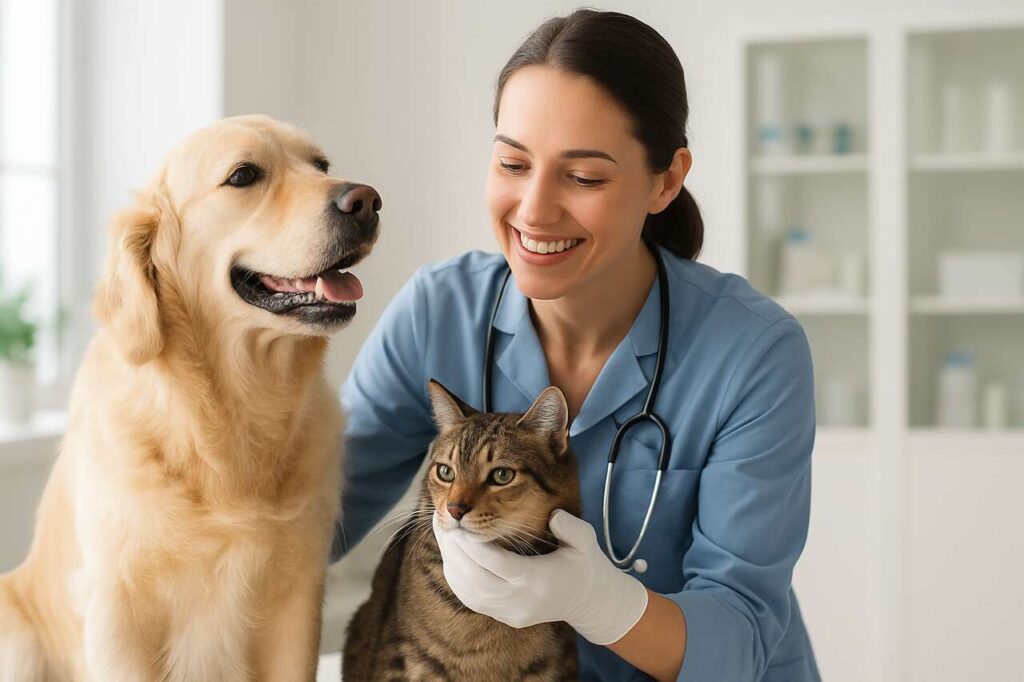
Veterinarians across the nation are urging pet owners to reconsider their approach to animal care, particularly when it comes to understanding the unique needs of dogs and cats living together. Recent insights from veterinary professionals highlight critical information that could prevent common health emergencies and improve the quality of life for beloved companions. The bond between humans and their pets remains one of the most profound relationships, yet many owners unknowingly put their animals at risk through simple oversights and misconceptions.
Crucial message from veterinarians for pet owners
Understanding your responsibility as a pet guardian
Veterinary experts emphasise that responsible pet ownership extends far beyond providing food and shelter. Pet owners must recognise that their animals depend entirely on them for wellbeing, medical care, and emotional support. This dependency creates a unique responsibility that requires continuous education and awareness.
The veterinary community stresses several fundamental principles:
- Regular health check-ups are essential, not optional
- Vaccinations must be kept current to prevent serious diseases
- Dental care significantly impacts overall health
- Parasite prevention protects both pets and humans
- Proper nutrition varies by species, age, and health status
Recognising warning signs of illness
Early detection of health problems can save lives and reduce treatment costs. Veterinarians urge owners to monitor their pets daily for changes in behaviour, appetite, or physical condition. Subtle shifts often indicate underlying issues that require professional attention.
| Warning Sign | Potential Issue | Action Required |
|---|---|---|
| Reduced appetite | Dental problems, illness | Veterinary consultation within 24-48 hours |
| Excessive thirst | Diabetes, kidney disease | Immediate veterinary assessment |
| Lethargy | Various conditions | Monitor closely, seek advice if persistent |
| Vomiting or diarrhoea | Dietary issues, infection | Same-day consultation if severe |
These observations form the foundation of proactive pet care, allowing veterinarians to address concerns before they escalate into emergencies.
Dogs and cats under the same roof: myth or reality ?
Debunking common misconceptions
The notion that dogs and cats cannot coexist peacefully represents one of the most persistent myths in pet ownership. Veterinary behaviourists confirm that successful multi-species households are entirely achievable with proper introduction techniques and environmental management.
Key factors for successful cohabitation include:
- Gradual introductions over several weeks
- Separate feeding areas to prevent resource guarding
- Individual safe spaces for each animal
- Supervised initial interactions
- Recognition of species-specific communication styles
Health considerations for mixed-species homes
Veterinarians highlight specific health concerns when dogs and cats share living spaces. Cross-species disease transmission remains rare, but certain parasites and infections require attention. Regular veterinary examinations for all household pets ensure that any potential issues are identified promptly.
Understanding the distinct needs of each species prevents common health problems and promotes harmony within the household.
Emergency first aid for your pets
Essential skills every pet owner should master
Veterinary professionals stress that knowing basic first aid can mean the difference between life and death during critical moments. While professional veterinary care remains irreplaceable, immediate action often stabilises animals until expert help becomes available.
Fundamental first aid skills include:
- Assessing breathing and heart rate
- Controlling bleeding with direct pressure
- Recognising signs of shock
- Safe restraint techniques for injured animals
- Proper transport methods for emergencies
Building a comprehensive pet first aid kit
A well-stocked first aid kit provides peace of mind and practical resources during emergencies. Veterinarians recommend keeping supplies readily accessible and checking expiration dates regularly.
| Item | Purpose | Quantity |
|---|---|---|
| Sterile gauze pads | Wound coverage | 10-15 pieces |
| Adhesive tape | Securing bandages | 2 rolls |
| Digital thermometer | Temperature monitoring | 1 |
| Hydrogen peroxide | Wound cleaning | 1 bottle |
| Emergency contact numbers | Quick reference | Laminated card |
These preparations enable owners to respond effectively whilst awaiting professional veterinary intervention.
Mistakes to avoid with your dogs and cats
Common errors that compromise pet health
Veterinarians identify recurring mistakes that significantly impact animal wellbeing despite owners’ best intentions. Awareness of these pitfalls helps prevent unnecessary suffering and expensive medical treatments.
Frequent mistakes include:
- Feeding human food without understanding toxicity risks
- Delaying veterinary care due to cost concerns
- Over-relying on internet diagnoses
- Inconsistent medication administration
- Ignoring dental health until problems become severe
- Failing to provide species-appropriate exercise
The dangers of self-diagnosis and treatment
The proliferation of online information has created a concerning trend where pet owners attempt to diagnose and treat conditions without professional guidance. Veterinarians warn that this approach often worsens health problems and delays appropriate care.
Professional veterinary assessment remains essential for accurate diagnosis and effective treatment planning.
What precautions to take for a peaceful trip ?
Preparing pets for travel safely
Veterinary advice emphasises that proper preparation transforms potentially stressful journeys into manageable experiences. Whether travelling by car, train, or plane, specific precautions protect pet health and reduce anxiety.
Essential travel preparations include:
- Veterinary health check before departure
- Updated identification tags and microchip registration
- Secure, comfortable carriers appropriate for transport mode
- Familiar items to reduce stress
- Adequate water and food supplies
- Current vaccination records
Managing motion sickness and travel anxiety
Many pets experience discomfort during travel, but veterinarians can provide solutions ranging from behavioural techniques to medication when necessary. Discussing travel plans with a veterinary professional well in advance allows for proper preparation and reduces last-minute complications.
These measures ensure that both pets and owners enjoy safer, more comfortable journeys together.
Veterinary emergency contact card: an indispensable tool
Why immediate access to information matters
Veterinarians strongly recommend that every pet owner maintains an easily accessible emergency contact card. During crises, this simple tool provides critical information quickly, potentially saving precious time when seconds count.
Essential information to include:
- Primary veterinary clinic name and 24-hour contact number
- Nearest emergency veterinary hospital details
- Pet’s medical conditions and current medications
- Known allergies or adverse reactions
- Microchip number and registration details
- Alternative emergency contacts
Creating and maintaining your emergency card
A laminated card kept in multiple locations ensures availability when needed most. Veterinarians suggest placing copies in your wallet, vehicle, and home in visible locations. Regular updates maintain accuracy as circumstances change.
This proactive approach demonstrates responsible pet ownership and facilitates efficient emergency response.
Pet ownership carries profound responsibilities that extend throughout an animal’s entire life. Veterinary professionals continue to emphasise that education, preparation, and prompt action form the cornerstone of excellent pet care. By understanding the crucial messages outlined here, owners can provide their dogs and cats with the quality of life they deserve whilst building stronger relationships with their beloved companions. The investment in knowledge and preventative care ultimately benefits both pets and their human families, creating harmonious households where animals thrive under attentive, informed guardianship.