



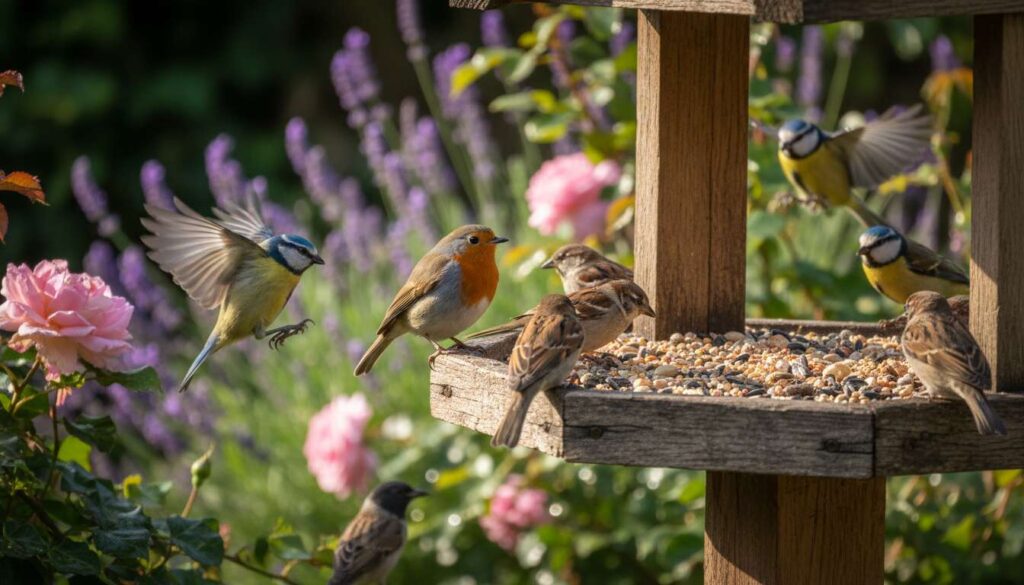
The familiar sight of birds gathering at garden feeders has become a cherished part of British wildlife watching. However, recent scientific evidence has prompted the country’s leading bird conservation organisation to take decisive action. The RSPB has withdrawn flat bird tables from sale following research linking these traditional feeding platforms to the spread of potentially fatal diseases amongst wild bird populations. This significant policy shift reflects growing awareness of how well-intentioned feeding practices can inadvertently harm the very species gardeners seek to support, particularly finches that have suffered catastrophic population declines over recent decades.
Why the RSPB is withdrawing flat bird tables
The decision to halt sales
The RSPB announced in early January that it would cease selling flat bird feeders through its website and retail channels. This decision represents a fundamental reassessment of traditional bird feeding methods that have been commonplace in British gardens for generations. The organisation has also paused sales of related products, including table food mixes and window feeders equipped with trays, whilst awaiting comprehensive scientific review findings.
Evidence driving the change
The withdrawal stems from mounting evidence demonstrating that flat feeding surfaces facilitate disease transmission amongst garden birds. Research has shown that when multiple birds congregate on the same platform to feed, they come into close contact with each other’s saliva and droppings, creating ideal conditions for pathogens to spread. The organisation’s decision reflects a precautionary approach, prioritising bird welfare over commercial considerations.
Timing with conservation initiatives
The announcement coincided with the launch of the annual Big Garden Birdwatch campaign, held from 24 to 26 January. This timing underscored the RSPB’s commitment to promoting safe feeding practices whilst encouraging public engagement with garden wildlife. The organisation emphasised that feeding birds remains important, particularly during winter months, but must be conducted responsibly to avoid unintended consequences.
Understanding why this decision was necessary requires examining the devastating impact that disease has had on certain bird populations.
The impact of disease on finch populations
The trichomonosis crisis
Trichomonosis, caused by the microscopic parasite Trichomonas gallinae, was first identified in British finches in 2005. Since then, it has emerged as a significant threat to garden bird populations, particularly affecting greenfinches and chaffinches. The disease causes lesions in the bird’s throat and crop, making swallowing difficult and often leading to starvation or predation of weakened individuals.
Population decline statistics
The impact on greenfinch populations has been particularly severe, as demonstrated by the following data:
| Species | Population change since 1993 | Primary cause |
|---|---|---|
| Greenfinch | 63% decline | Trichomonosis |
| Chaffinch | Moderate decline | Multiple factors including disease |
Transmission mechanisms
The parasite spreads through several pathways:
- Direct contact between birds during feeding interactions
- Sharing of regurgitated food, particularly between parent birds and chicks
- Contaminated water sources where infected birds have drunk or bathed
- Saliva deposits left on feeding surfaces by infected individuals
These transmission routes highlight why feeding station design plays such a crucial role in disease prevention.
Understanding the danger of flat feeders
Why flat surfaces pose particular risks
Traditional bird tables create high-risk environments for disease transmission due to their design characteristics. Unlike hanging feeders where birds typically feed individually, flat surfaces encourage multiple birds to congregate simultaneously. This clustering behaviour increases the likelihood that healthy birds will come into contact with contaminated saliva, droppings, or food particles left by infected individuals.
Contamination persistence
Flat feeding platforms present additional challenges:
- Food and water can pool on the surface, creating reservoirs for pathogens
- Droppings accumulate more readily on horizontal surfaces
- Rain and moisture can spread contamination across the entire feeding area
- Cleaning flat surfaces thoroughly proves more difficult than tubular feeders
Behavioural factors
Bird behaviour at flat feeders compounds the problem. Species affected by trichomonosis often exhibit increased feeding activity as the disease progresses, spending more time at feeders as swallowing becomes difficult. This means infected birds may contaminate feeding stations repeatedly, creating ongoing transmission risks for healthy visitors.
Fortunately, alternative feeding methods can significantly reduce these risks whilst still supporting garden bird populations.
Safe alternatives to flat tables for feeding birds
Hanging tube feeders
Tube feeders with individual feeding ports represent a safer option as they minimise direct contact between birds. These feeders dispense seeds through small openings, preventing birds from standing in the food supply and limiting opportunities for saliva contamination. The vertical design also discourages droppings from falling onto feeding areas.
Mesh and cage feeders
Feeders constructed from wire mesh or protective cages offer several advantages:
- Birds must cling to feed rather than perching on flat surfaces
- Rain naturally washes through the mesh, reducing contamination buildup
- Individual feeding positions limit close contact between birds
- Easier to clean and disinfect than traditional tables
Ground feeding considerations
For species that naturally feed on the ground, such as dunnocks and blackbirds, scatter feeding across a wide area proves safer than concentrated feeding points. Distributing food broadly reduces crowding and allows natural spacing between individual birds, thereby minimising disease transmission risks.
However, choosing appropriate feeders represents only part of responsible bird feeding practice.
How to feed birds safely
Hygiene protocols
Maintaining rigorous cleaning standards proves essential for preventing disease outbreaks. Feeders should be cleaned regularly using hot water and appropriate disinfectants, then thoroughly dried before refilling. Rotating between multiple feeders allows each to be cleaned and aired properly.
Recommended cleaning schedule
| Feeder type | Cleaning frequency | Method |
|---|---|---|
| Tube feeders | Weekly | Dismantle, wash with hot soapy water, disinfect |
| Water dishes | Daily | Empty, scrub, refill with fresh water |
| Ground feeding areas | After each use | Move location, remove uneaten food |
Monitoring bird health
Gardeners should watch for signs of disease amongst visiting birds:
- Fluffed-up plumage and lethargic behaviour
- Difficulty swallowing or regurgitating food
- Wet or matted feathers around the beak
- Birds remaining at feeders for unusually long periods
If sick birds are observed, feeding should cease immediately for at least four weeks to break the transmission cycle. All feeders must be thoroughly cleaned and disinfected before resuming feeding activities.
These practices form part of an evolving understanding of responsible wildlife care.
The future of bird feeders: towards a more responsible approach
Innovation in feeder design
The RSPB’s decision signals a shift towards evidence-based feeding practices that prioritise bird health over tradition. Manufacturers are responding by developing feeders specifically designed to minimise disease risks, incorporating features such as antimicrobial materials, self-cleaning mechanisms, and designs that prevent contamination buildup.
Scientific research priorities
Ongoing research continues to examine the relationship between feeding practices and disease transmission. Scientists are investigating questions such as optimal feeder spacing, the effectiveness of different disinfection methods, and whether certain feeder designs favour particular species whilst excluding others. The findings from these studies will inform future guidance for garden bird enthusiasts.
Balancing support with safety
The challenge facing conservationists involves maintaining public engagement with garden wildlife whilst ensuring feeding practices do not inadvertently harm bird populations. Feeding birds provides valuable supplementary nutrition, particularly during harsh weather, and connects people with nature. However, these benefits must be weighed against potential disease risks, requiring a more nuanced approach than simply encouraging maximum feeding activity.
The RSPB’s market withdrawal of flat feeders marks a significant moment in British bird conservation. By acknowledging that traditional feeding methods can contribute to disease spread, the organisation demonstrates commitment to adaptive management based on scientific evidence. The dramatic decline in greenfinch populations serves as a stark reminder that well-intentioned actions may have unintended consequences. Moving forward, responsible bird feeding requires selecting appropriate feeder designs, maintaining rigorous hygiene standards, and remaining vigilant for signs of illness amongst garden visitors. This evolution in feeding practices reflects broader recognition that supporting wildlife populations demands ongoing reassessment of our methods as scientific understanding advances.