



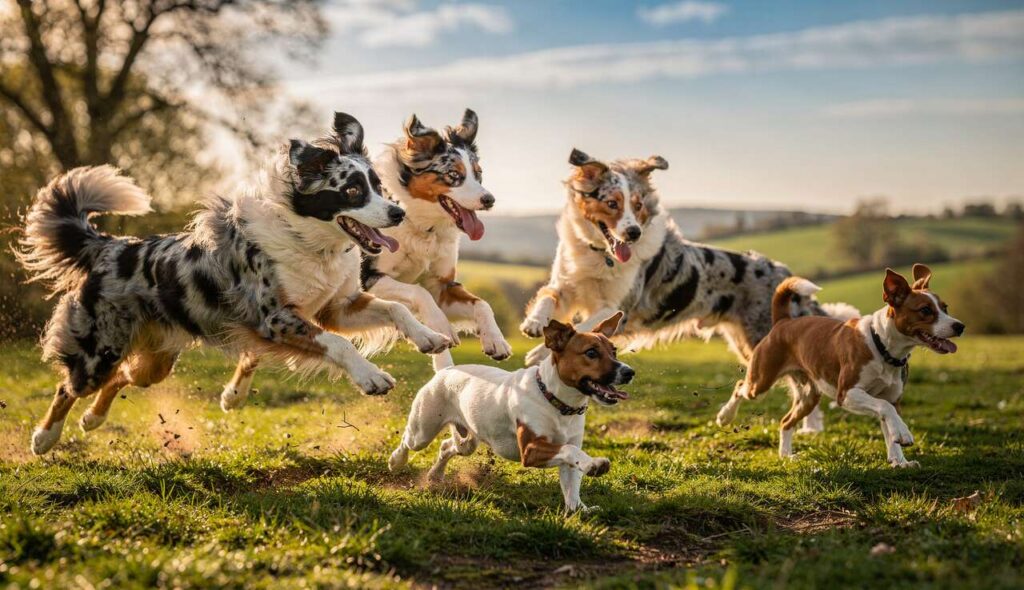
For prospective dog owners and current canine companions alike, understanding the energy requirements of different breeds proves essential to ensuring a harmonious household. Certain breeds possess an innate drive for activity that stems from centuries of selective breeding for specific working roles. These highly energetic dogs demand considerable physical and mental stimulation to maintain their wellbeing and prevent behavioural issues. Recognising which breeds fall into this category and how to meet their substantial needs can make the difference between a thriving partnership and a challenging living situation.
The origins of active dog breeds
Historical working roles
The most energetic dog breeds today trace their lineage to working ancestors bred for demanding physical tasks. Herding breeds such as Border Collies and Australian Shepherds were developed to manage livestock across vast terrains, requiring stamina, agility and unwavering focus throughout long working days. Similarly, hunting breeds like Pointers and Spaniels needed exceptional endurance to track game across varied landscapes. These historical functions created dogs with remarkable physical capabilities and an inherent need for purposeful activity.
Selective breeding for performance
Breeders deliberately selected dogs displaying the following characteristics:
- Superior stamina and cardiovascular capacity
- High motivation and work drive
- Quick reflexes and coordination
- Mental resilience and problem-solving abilities
- Responsive temperament to training
This selective breeding intensified the energy levels found in these breeds, creating dogs whose genetic makeup predisposes them to constant motion and engagement. Understanding this heritage helps explain why these breeds struggle in sedentary environments and require substantial daily outlets for their natural inclinations.
The energy needs of active dogs
Physical exercise requirements
Highly active breeds typically require between 90 and 120 minutes of vigorous exercise daily, distributed across multiple sessions. This substantially exceeds the needs of less energetic breeds, which may thrive on 30 to 45 minutes of moderate activity. The exercise must provide genuine cardiovascular challenge rather than leisurely strolls, incorporating running, swimming or intensive play sessions that elevate heart rate and engage muscles comprehensively.
| Activity level | Daily exercise duration | Intensity required |
|---|---|---|
| Low energy breeds | 30-45 minutes | Moderate |
| Moderate energy breeds | 60-75 minutes | Moderate to vigorous |
| High energy breeds | 90-120+ minutes | Vigorous |
Mental stimulation requirements
Physical exercise alone proves insufficient for these intelligent breeds. Mental enrichment serves as an equally critical component, preventing boredom and destructive behaviours. Training sessions, puzzle toys, scent work and problem-solving activities engage their cognitive abilities and provide satisfaction comparable to physical exertion. Many owners discover that 15 minutes of concentrated mental work can tire their dog as effectively as 30 minutes of physical activity.
Meeting these substantial requirements naturally leads to questions about the nutritional support necessary to fuel such active lifestyles.
Suitable nutrition for highly active dogs
Increased caloric requirements
Active breeds demand significantly higher caloric intake than their sedentary counterparts to maintain healthy body condition. A working Border Collie may require 50 to 70 per cent more calories than a companion dog of similar size with minimal activity. The precise requirements vary based on exercise intensity, duration, ambient temperature and individual metabolism, necessitating careful monitoring and adjustment.
Macronutrient balance
The ideal nutritional profile for highly active dogs includes:
- Elevated protein content (28-32 per cent) to support muscle maintenance and recovery
- Moderate to high fat levels (18-22 per cent) providing concentrated energy
- Complex carbohydrates for sustained energy release
- Enhanced vitamins and minerals supporting metabolic demands
- Adequate hydration support through moisture-rich foods
Premium performance diets specifically formulated for working dogs typically meet these requirements, though consultation with a veterinary nutritionist ensures optimal individualised feeding strategies. Proper nutrition prevents fatigue, maintains ideal body condition and supports long-term health in these demanding breeds.
With nutritional foundations established, identifying which specific breeds display the highest energy levels becomes the next consideration.
The most energetic dog breeds
Herding breeds
Border Collies consistently rank as the most energetic breed, possessing seemingly limitless stamina and an intense desire for work. Australian Shepherds, Belgian Malinois and German Shepherds similarly demonstrate exceptional energy levels, requiring extensive daily activity to remain content. These breeds excel in dog sports such as agility, flyball and obedience competitions, where their drive and athleticism shine.
Sporting and hunting breeds
Labrador Retrievers, despite their popularity as family pets, possess considerable energy derived from their retrieval heritage. Vizslas, Weimaraners and Springer Spaniels display relentless enthusiasm for activity, particularly enjoying swimming and retrieving games. Pointers and Setters maintain remarkable endurance, capable of sustained activity over extended periods without tiring.
Terrier and working breeds
Jack Russell Terriers pack extraordinary energy into compact frames, exhibiting tireless determination and playfulness. Siberian Huskies and Alaskan Malamutes were bred for pulling sleds across arctic distances, creating breeds with phenomenal stamina. Boxers and Dalmatians similarly require substantial exercise to channel their natural exuberance productively.
Understanding which breeds demand the most activity naturally raises questions about how to provide adequate exercise opportunities.
The importance of exercise for active dogs
Physical health benefits
Regular vigorous exercise maintains optimal cardiovascular function, muscle tone and joint health in active breeds. It prevents obesity, which disproportionately affects under-exercised energetic dogs, leading to numerous secondary health complications. Adequate physical activity supports digestive health, immune function and longevity, with well-exercised dogs typically enjoying extended healthy lifespans compared to sedentary counterparts.
Behavioural and psychological wellbeing
Insufficient exercise manifests in numerous problematic behaviours including:
- Destructive chewing and digging
- Excessive barking and vocalisation
- Hyperactivity and inability to settle
- Anxiety and stress-related behaviours
- Aggression stemming from frustration
Conversely, adequately exercised dogs display calm household behaviour, improved trainability and enhanced emotional stability. The mental satisfaction derived from purposeful activity fulfils their genetic predisposition for work, creating content and well-adjusted companions.
Recognising the critical role of exercise prompts consideration of practical strategies for incorporating sufficient activity into daily routines.
Tips for managing an active dog on a daily basis
Establishing structured routines
Creating consistent daily schedules helps active dogs anticipate and prepare for exercise sessions. Morning runs, midday play sessions and evening activities distributed throughout the day prevent energy accumulation and associated behavioural issues. Varying activities maintains engagement and prevents boredom, incorporating walks, fetch games, swimming and training exercises across the week.
Incorporating dog sports and activities
Enrolling in organised activities provides structured outlets for energy whilst strengthening the human-canine bond. Agility training, flyball teams, dock diving and herding trials offer intensive physical and mental challenges that satisfy working instincts. These activities additionally provide social opportunities with other high-energy dogs and like-minded owners.
Environmental enrichment at home
For periods when intensive exercise proves impossible, environmental enrichment sustains engagement:
- Interactive puzzle feeders extending mealtimes
- Rotating toy selection maintaining novelty
- Hide-and-seek games with treats or toys
- Training sessions teaching new commands
- Safe access to outdoor spaces for self-directed play
Combining these strategies creates a comprehensive approach ensuring active breeds receive adequate stimulation despite modern lifestyle constraints.
Successfully managing highly energetic breeds requires commitment, creativity and understanding of their substantial needs. The breeds discussed possess remarkable capabilities that, when properly channelled through adequate exercise, appropriate nutrition and mental stimulation, transform them into exceptional companions. Prospective owners must honestly assess their ability to meet these demanding requirements before selecting an active breed. For those prepared to invest the necessary time and energy, these dogs offer unparalleled loyalty, enthusiasm and partnership. The rewards of life with an active breed prove immeasurable when their needs receive proper attention and respect.