


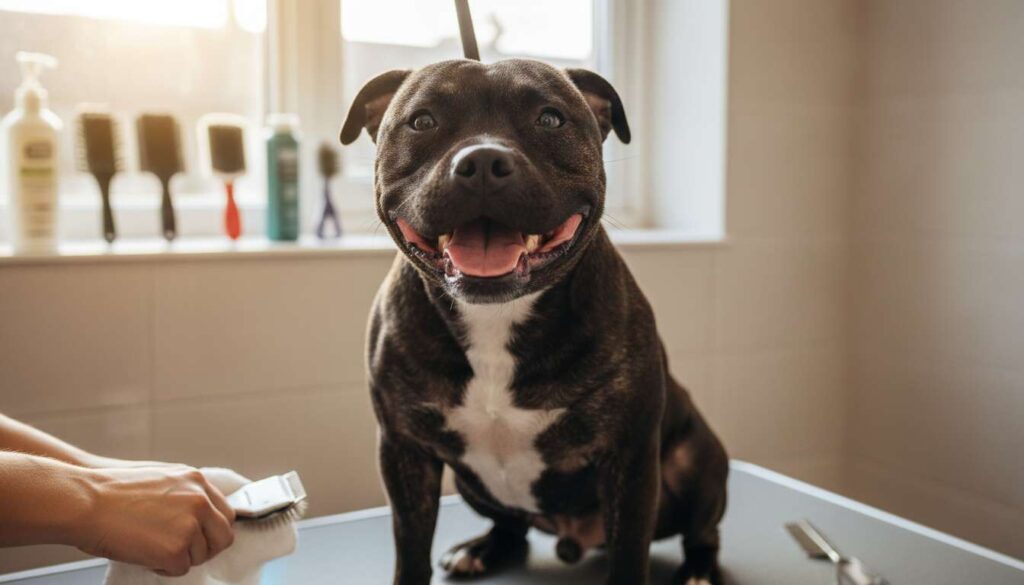
The Staffordshire Bull Terrier, affectionately known as the Staffie, combines a muscular build with a surprisingly soft and affectionate nature. Whilst these dogs are renowned for their loyalty and courage, many owners overlook the importance of proper grooming in maintaining their pet’s health and appearance. Despite their short coat, Staffies require consistent care to keep their skin healthy, their nails trimmed, and their overall condition optimal. Establishing a regular grooming routine not only enhances your dog’s physical wellbeing but also strengthens the bond between owner and pet through positive handling experiences.
Understanding the coat of the Staffordshire Bull Terrier
Coat characteristics and texture
The Staffordshire Bull Terrier possesses a smooth, short coat that lies close to the body. This dense covering provides adequate protection against the elements whilst remaining low-maintenance compared to longer-haired breeds. The texture is typically sleek and glossy when properly cared for, reflecting the dog’s overall health status. Individual hairs are relatively stiff, creating a coat that feels smooth to the touch yet offers substantial coverage across the muscular frame.
Seasonal shedding patterns
Staffies experience moderate shedding throughout the year, with increased hair loss during spring and autumn transitions. Understanding these patterns helps owners anticipate grooming needs:
- Spring shedding occurs as the winter coat is replaced with a lighter summer version
- Autumn shedding prepares the dog for colder months with a denser coat
- Year-round maintenance shedding continues at a lower level between seasonal peaks
- Indoor dogs may experience less dramatic seasonal changes due to central heating
Recognising these natural cycles allows you to adjust your grooming frequency accordingly, ensuring your Staffie remains comfortable whilst minimising loose hair around your home. This foundation of knowledge proves essential when developing an effective grooming strategy.
Regular brushing: why and how
Benefits of consistent brushing
Regular brushing serves multiple purposes beyond simply removing loose hair. The practice stimulates blood circulation to the skin, distributes natural oils throughout the coat, and provides an opportunity to check for any abnormalities such as lumps, cuts, or parasites. Additionally, the bonding time during brushing sessions reinforces positive associations with handling, which proves invaluable during veterinary examinations or other necessary procedures.
Recommended brushing frequency
| Season | Frequency | Duration |
|---|---|---|
| Spring/Autumn | Daily | 10-15 minutes |
| Summer/Winter | 3-4 times weekly | 5-10 minutes |
| Minimum maintenance | Twice weekly | 5 minutes |
Proper brushing technique
Begin at the head and work systematically towards the tail, using firm but gentle strokes in the direction of hair growth. Pay particular attention to areas where the coat may trap dirt or debris, including the chest, underbelly, and legs. During shedding seasons, consider brushing against the grain occasionally to lift dead hairs more effectively, then finish by smoothing the coat back into its natural position. The right tools make this process significantly more efficient and comfortable for your Staffie.
Choosing the right grooming tools
Essential brushes and combs
Selecting appropriate grooming equipment ensures effective maintenance without causing discomfort. For Staffordshire Bull Terriers, several tools prove particularly useful:
- Rubber curry brush: ideal for loosening dead hair and massaging the skin
- Bristle brush: distributes natural oils and adds shine to the coat
- Grooming glove: convenient for quick sessions and dogs sensitive to traditional brushes
- Fine-toothed comb: useful for checking for fleas or skin issues
Additional grooming supplies
Beyond brushes, a complete grooming kit should include nail clippers or a grinder, dog-specific shampoo, ear cleaning solution, cotton wool, and towels. Investing in quality tools reduces the need for frequent replacements and ensures a more pleasant experience for both owner and dog. Stainless steel implements resist rust and maintain their effectiveness longer than cheaper alternatives.
Tool maintenance and hygiene
Clean your grooming tools after each use by removing trapped hair and washing bristles with warm, soapy water. Allow equipment to dry thoroughly before storage to prevent bacterial growth. Replace worn brushes when bristles become bent or sparse, as damaged tools may irritate your dog’s skin rather than benefit it. Proper tool selection and maintenance naturally leads to considerations about bathing practices.
Bathing and drying tips
Optimal bathing frequency
Staffordshire Bull Terriers typically require bathing every 6-8 weeks, though individual circumstances may necessitate adjustments. Over-bathing strips natural oils from the coat, potentially causing dryness and irritation, whilst insufficient bathing allows dirt and bacteria to accumulate. Increase frequency if your dog regularly swims, rolls in unpleasant substances, or develops a noticeable odour between scheduled baths.
Step-by-step bathing process
Prepare by gathering all necessary supplies within reach before wetting your dog. Use lukewarm water and thoroughly saturate the coat, taking care to avoid the eyes and ears. Apply a dog-specific shampoo formulated for short coats, working it into a lather across the entire body. Rinse completely, as residual shampoo may cause skin irritation. A second rinse ensures no product remains hidden in the dense coat.
Effective drying methods
Towel-dry your Staffie immediately after bathing, using absorbent towels to remove excess moisture. Most Staffordshire Bull Terriers air-dry quickly due to their short coat, though you may use a hairdryer on a cool or low setting if necessary. Keep the dryer moving to prevent concentrated heat on any area, and maintain a comfortable distance from the skin. Ensure your dog is completely dry before allowing outdoor access in cold weather. Attention to these bathing details complements other aspects of physical maintenance.
Maintenance of nails and ears
Nail trimming essentials
Overgrown nails cause discomfort and affect your dog’s gait, potentially leading to joint problems over time. Trim nails every 3-4 weeks or when you hear clicking sounds on hard floors. Use sharp, dog-specific clippers and remove small amounts incrementally to avoid cutting the quick, which contains blood vessels and nerves. If accidental bleeding occurs, apply styptic powder immediately to stop the flow.
Alternative nail care methods
Some owners prefer electric nail grinders, which gradually file the nail rather than cutting it. This method reduces the risk of cutting too deeply and allows for smoother nail edges. However, grinders require patience as dogs must acclimate to the vibration and noise. Regular walks on concrete or pavement naturally wear down nails to some extent, though rarely eliminate the need for manual trimming.
Ear cleaning procedures
Inspect your Staffie’s ears weekly for signs of redness, odour, or excessive wax buildup. Clean ears fortnightly or as needed using a veterinary-approved ear cleaning solution:
- Apply solution to a cotton wool pad, never directly into the ear canal
- Gently wipe the visible portions of the inner ear
- Use a fresh pad for each ear to prevent cross-contamination
- Never insert cotton buds into the ear canal
- Consult a veterinarian if you notice persistent discharge or your dog shows signs of discomfort
Regular monitoring of these areas helps identify potential problems before they escalate into serious conditions requiring veterinary intervention. Proactive care in these regions connects closely with overall skin health management.
Solutions for skin issues
Common skin problems in Staffies
Staffordshire Bull Terriers may experience various dermatological concerns, including allergies, hot spots, and bacterial infections. Environmental allergies to pollen, dust mites, or moulds often manifest as itching, redness, or excessive licking. Food sensitivities may produce similar symptoms, requiring dietary adjustments to identify and eliminate triggering ingredients. Parasites such as fleas or mites cause intense irritation and require prompt treatment.
Preventative measures
Maintaining your Staffie’s skin health involves several proactive strategies:
- Feed a high-quality diet rich in omega-3 and omega-6 fatty acids
- Ensure consistent parasite prevention through veterinary-recommended products
- Avoid harsh chemicals or human grooming products on your dog’s skin
- Provide adequate hydration to support skin moisture from within
- Monitor for changes in coat condition or behaviour indicating discomfort
When to seek veterinary advice
Whilst minor skin irritations may resolve with improved grooming practices, certain symptoms warrant professional evaluation. Contact your veterinarian if you observe persistent scratching, hair loss, open sores, foul odours, or changes in skin colour or texture. Early intervention prevents minor issues from developing into chronic conditions requiring extensive treatment. Your veterinarian may recommend medicated shampoos, dietary changes, or medications depending on the underlying cause.
Establishing a comprehensive grooming routine for your Staffordshire Bull Terrier contributes significantly to their overall health and happiness. The combination of regular brushing, appropriate bathing, diligent nail and ear care, and vigilant skin monitoring creates a foundation for lifelong wellbeing. These practices, whilst requiring consistent effort, strengthen the bond between you and your Staffie whilst ensuring they remain comfortable and looking their best. By implementing these six key areas of grooming care, you provide your loyal companion with the attention they deserve, preventing potential health issues before they arise and maintaining the distinctive appearance that makes the breed so beloved.