


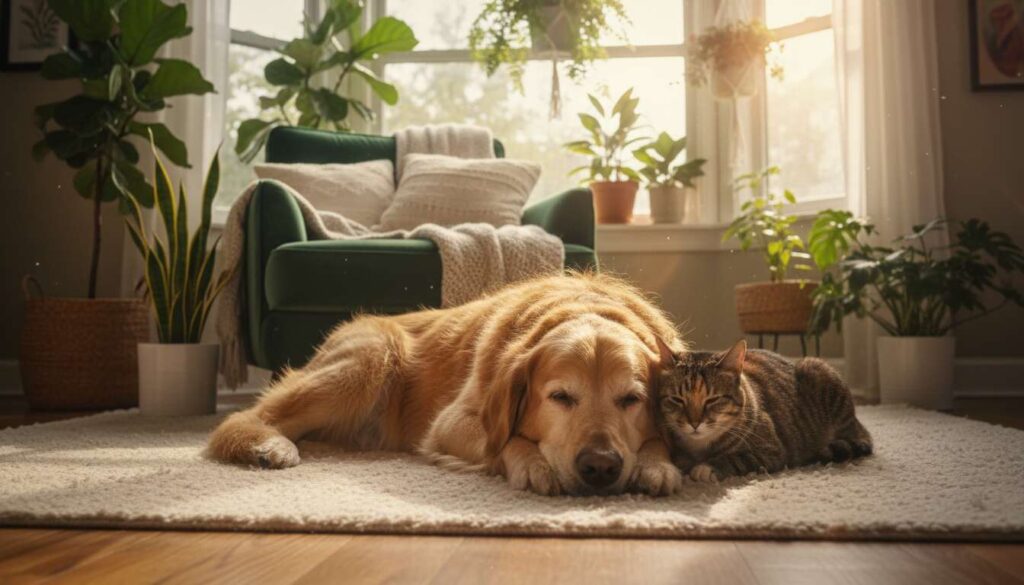
Our four-legged companions hold a special place in our hearts, and watching them age can bring both joy and concern. As pets grow older, their needs evolve significantly, requiring adjustments to ensure their remaining years are filled with comfort and vitality. Recognising the subtle changes that accompany ageing and responding with appropriate care can make a profound difference to their wellbeing. From dietary modifications to environmental adaptations, there are numerous practical measures pet owners can implement to support their ageing animals through this natural phase of life.
Understanding signs of ageing in pets
Physical changes to watch for
Ageing manifests differently across individual animals, yet certain physical indicators commonly emerge as pets enter their senior years. Dogs and cats typically begin showing signs of ageing around seven years old, though larger dog breeds may age more rapidly. Observable changes include greying fur around the muzzle and face, reduced mobility, and a general decrease in energy levels. Joint stiffness becomes particularly noticeable after rest periods, and pets may struggle with activities they once performed effortlessly, such as climbing stairs or jumping onto furniture.
Weight fluctuations represent another significant marker of ageing. Some pets experience unexplained weight loss due to metabolic changes or dental problems that make eating uncomfortable, whilst others gain weight as their activity levels decline and metabolism slows. Vision and hearing impairments also develop gradually, with pets bumping into objects or failing to respond to verbal commands as promptly as before.
Behavioural modifications in senior pets
Beyond physical symptoms, behavioural shifts provide valuable insights into a pet’s ageing process. Senior animals often display:
- Increased sleeping duration and deeper sleep patterns
- Confusion or disorientation, particularly in familiar environments
- Changes in social interaction, either seeking more attention or withdrawing
- Altered toilet habits, including accidents indoors
- Heightened anxiety or restlessness, especially during evening hours
These behavioural changes may indicate cognitive decline, similar to dementia in humans, or simply reflect the natural adjustment to physical limitations. Monitoring these patterns helps owners distinguish between normal ageing and conditions requiring veterinary intervention.
Recognising these signs early allows owners to make timely adjustments, particularly in how they nourish their pets to support their changing bodies.
The importance of a suitable diet for older dogs and cats
Nutritional requirements for ageing pets
As metabolism slows and activity decreases, senior pets require fewer calories but higher quality nutrition. Their digestive systems become less efficient at processing certain nutrients, making dietary adjustments essential. Older dogs and cats benefit from food formulations specifically designed for their age group, which typically contain increased protein levels to maintain muscle mass whilst reducing fat content to prevent obesity.
Specific nutrients become particularly important during the senior years:
| Nutrient | Benefit for senior pets |
|---|---|
| Omega-3 fatty acids | Reduces inflammation and supports joint health |
| Antioxidants | Combats cellular damage and supports immune function |
| Glucosamine and chondroitin | Maintains cartilage and joint mobility |
| Fibre | Aids digestion and prevents constipation |
| Phosphorus (reduced levels) | Protects kidney function |
Practical feeding strategies
Beyond selecting appropriate food, how pets are fed matters considerably. Smaller, more frequent meals often suit senior animals better than one or two large portions, easing digestive strain. Elevated food bowls can reduce neck and back discomfort for dogs with arthritis, whilst cats may appreciate warmed food that releases more aroma, compensating for diminished sense of smell.
Hydration assumes greater importance as kidney function naturally declines with age. Ensuring constant access to fresh water and considering wet food options can help maintain adequate fluid intake. Some pets benefit from water fountains, which encourage drinking through movement and freshness.
Proper nutrition provides the foundation for health, but physical activity remains equally vital for maintaining mobility and preventing further decline.
Moderate physical activities: wellness through movement
Adapting exercise routines
Whilst senior pets cannot maintain the vigorous activity levels of their youth, regular gentle exercise remains crucial for physical and mental health. The key lies in moderation and adaptation rather than cessation. For dogs, shorter but more frequent walks prove more beneficial than lengthy excursions. Twenty-minute walks twice daily typically suit most senior dogs better than a single hour-long walk that may cause exhaustion or joint pain.
Swimming offers an excellent low-impact alternative for dogs with arthritis or mobility issues, providing cardiovascular benefits without stressing joints. Many veterinary practices and canine hydrotherapy centres offer supervised swimming sessions specifically designed for older dogs.
Activity options for senior cats
Cats present different exercise challenges, as they naturally become less active with age. Encouraging movement through play remains possible with adjustments:
- Interactive toys that move slowly and predictably
- Laser pointers used at ground level rather than requiring jumping
- Feather wands manipulated gently to stimulate hunting instincts
- Food puzzles that encourage movement whilst providing mental stimulation
Even five to ten minutes of gentle play several times daily can significantly benefit a senior cat’s muscle tone and joint flexibility. The goal centres on maintaining mobility rather than intense exertion.
Exercise routines should always be monitored for signs of overexertion, and any concerning symptoms warrant professional evaluation to ensure underlying health issues aren’t developing.
Regular visits to the vet: essential follow-up
Recommended examination frequency
Senior pets require more frequent veterinary assessments than their younger counterparts. Whilst annual check-ups suffice for healthy adult animals, pets over seven years old benefit from bi-annual examinations. These regular appointments allow veterinarians to detect age-related conditions early, when treatment proves most effective and least invasive.
During these examinations, veterinarians typically conduct:
- Comprehensive physical examinations including weight assessment
- Blood tests to evaluate organ function, particularly kidneys and liver
- Urinalysis to detect diabetes, kidney disease, or urinary tract infections
- Blood pressure monitoring
- Dental examinations to identify periodontal disease
- Joint palpation to assess arthritis progression
Preventative care and early intervention
Regular veterinary visits serve a preventative function rather than merely reactive care. Early detection of conditions such as kidney disease, diabetes, or thyroid disorders allows for management strategies that can significantly extend quality of life. Many age-related conditions progress silently, with symptoms only becoming apparent when disease has advanced considerably.
Maintaining vaccination schedules remains important, though veterinarians may adjust protocols based on individual risk factors and health status. Similarly, parasite prevention should continue throughout senior years, as older pets may have compromised immune systems making them more susceptible to parasitic infections.
Beyond physical health monitoring, veterinary professionals can also assess cognitive function and recommend strategies for mental engagement that complement medical care.
Maintaining mental stimulation with adapted games
Cognitive decline and enrichment
Mental deterioration affects many senior pets, manifesting as confusion, altered sleep patterns, and changes in social behaviour. Cognitive enrichment activities can slow this decline and maintain quality of life. Research demonstrates that pets provided with regular mental stimulation show fewer signs of cognitive dysfunction compared to those without such engagement.
For dogs, puzzle feeders and treat-dispensing toys encourage problem-solving whilst rewarding effort. Simple training sessions teaching new tricks or reinforcing old commands provide mental exercise and strengthen the human-animal bond. Even senior dogs can learn, though they may require more patience and repetition than younger animals.
Stimulation strategies for older cats
Cats benefit from environmental enrichment that engages their natural instincts:
- Rotating toys to maintain novelty and interest
- Hiding treats around the home to encourage foraging behaviour
- Providing window perches for observing outdoor activity
- Introducing cat-safe plants for sensory exploration
- Playing nature videos designed for cats featuring birds and small prey animals
The intensity and complexity of mental activities should match the pet’s current capabilities. Short, positive sessions prove more beneficial than lengthy activities that may cause frustration or fatigue. Consistency matters more than duration, with daily engagement yielding better results than sporadic intensive stimulation.
Mental engagement works in tandem with physical comfort, and creating an environment that accommodates ageing bodies enhances overall wellbeing significantly.
Create a comfortable and suitable environment for seniors
Accessibility modifications
As mobility declines, pets struggle with environmental features they once navigated easily. Practical modifications can dramatically improve their daily comfort and independence. For dogs, installing ramps beside stairs or furniture they regularly access eliminates the need for painful jumping. Non-slip mats on smooth flooring prevent falls and provide confidence for pets with weakened hindquarters or balance issues.
Litter trays for senior cats require thoughtful adjustment. High-sided boxes become difficult to enter, so switching to trays with lower entry points or cutting down one side of existing boxes facilitates access. Placing additional litter trays on each floor of multi-storey homes prevents accidents when cats cannot reach facilities quickly enough.
Bedding and temperature considerations
Orthopaedic bedding provides essential support for arthritic joints and pressure points. Memory foam beds distribute weight evenly, reducing discomfort during rest periods. Positioning beds away from draughts and in warm areas helps senior pets, who often struggle with temperature regulation.
Environmental adjustments should address sensory changes:
- Night lights help pets with declining vision navigate safely after dark
- Keeping furniture arrangement consistent prevents confusion and collisions
- Using scent markers can help orient pets with cognitive decline
- Providing multiple water stations ensures hydration access throughout the home
For cats specifically, vertical space remains important even as jumping ability diminishes. Creating stepped access to favourite elevated spots using strategically placed furniture or purpose-built cat steps maintains their natural desire for height whilst accommodating physical limitations.
Pets enter their senior years having provided years of companionship and unconditional affection. Implementing these straightforward adaptations demonstrates our commitment to their comfort during this vulnerable life stage. From recognising early ageing signs and adjusting nutrition to modifying exercise routines and home environments, each measure contributes to extending not merely lifespan but quality of life. Regular veterinary care combined with mental stimulation ensures comprehensive support for ageing pets. These adjustments require minimal effort yet yield substantial benefits, allowing our beloved companions to age with dignity, comfort, and continued joy in their daily experiences.