



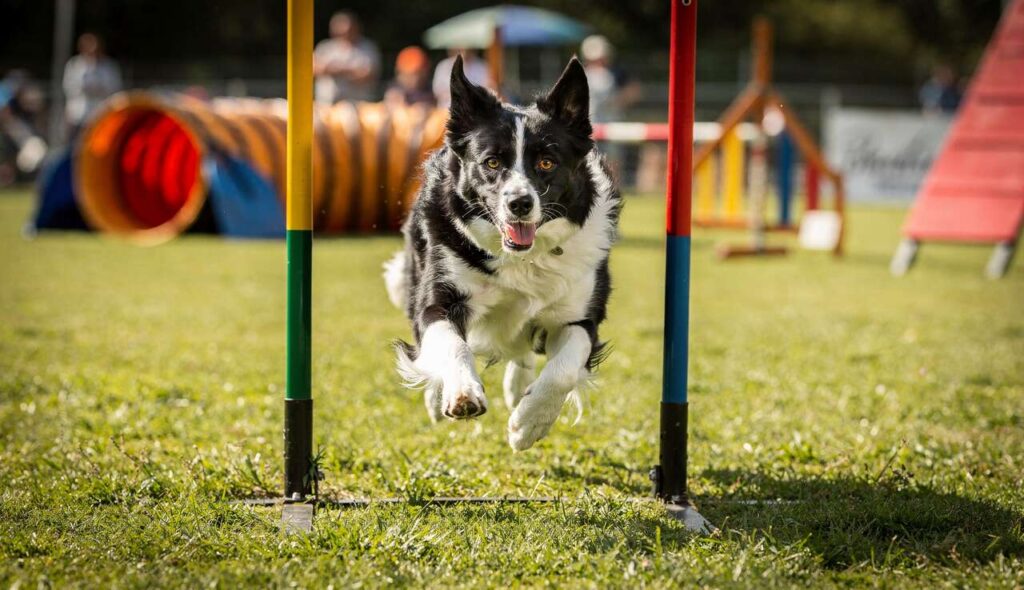
Owning a dog brings immense joy and companionship, yet certain breeds demand far more than others in terms of time, money, and emotional investment. These high-maintenance canines require dedicated owners prepared to meet their extensive physical, mental, and financial needs. From substantial grooming costs to intensive exercise regimes, these breeds challenge even experienced dog owners. Understanding what makes these particular dogs so demanding can help prospective owners make informed decisions and avoid the heartache of rehoming.
The secrets of the alaskan malamute: high exercise and care needs
Physical requirements and energy levels
The alaskan malamute stands as one of the most physically demanding breeds available. Originally bred to haul heavy freight across Arctic terrain, these powerful dogs possess seemingly limitless stamina that requires daily satisfaction. Owners must commit to at least two hours of vigorous exercise daily, including activities such as:
- Long-distance hiking or running in cooler temperatures
- Weight-pulling exercises or cart-pulling activities
- Swimming sessions for low-impact conditioning
- Interactive play that engages both body and mind
Grooming and maintenance costs
The breed’s dense double coat creates substantial grooming demands throughout the year. Malamutes experience two major shedding periods annually, during which they literally blow their entire undercoat. Professional grooming sessions typically cost between £50-£80 per visit, with most owners requiring monthly appointments. Between professional visits, daily brushing becomes essential to prevent matting and manage the constant fur accumulation that covers furniture, clothing, and floors.
Financial implications of ownership
| Expense Category | Monthly Cost | Annual Cost |
|---|---|---|
| Premium food (large breed) | £80-£120 | £960-£1,440 |
| Grooming supplies/services | £60-£90 | £720-£1,080 |
| Veterinary care | £40-£70 | £480-£840 |
Beyond these routine expenses, malamutes frequently require specialist veterinary attention for breed-specific conditions such as hip dysplasia and inherited polyneuropathy. These powerful dogs also possess notorious escape artist tendencies, necessitating reinforced fencing that can add £1,000-£3,000 to initial setup costs.
The combination of physical demands and financial commitments makes the malamute particularly challenging, yet these requirements pale in comparison to other breeds equally renowned for their loyalty and complexity.
The german shepherd: a loyal yet demanding companion
Mental stimulation requirements
German shepherds possess exceptional intelligence that becomes problematic without proper channelling. These working dogs were bred for complex tasks requiring independent decision-making, meaning they quickly develop destructive behaviours when understimulated. Owners must provide daily mental challenges including puzzle toys, scent work, obedience training, and task-oriented activities. A bored german shepherd can cause thousands of pounds in property damage within hours.
Healthcare costs and genetic concerns
The breed suffers from numerous hereditary conditions that substantially increase lifetime veterinary expenses. Common health issues include:
- Hip and elbow dysplasia requiring surgical intervention (£3,000-£6,000 per joint)
- Degenerative myelopathy affecting the spinal cord
- Chronic digestive sensitivities necessitating prescription diets
- Exocrine pancreatic insufficiency with ongoing medication costs
Training and socialisation investments
German shepherds require professional training from puppyhood to manage their protective instincts and powerful physique. Basic obedience classes typically cost £150-£300, whilst advanced training programmes range from £500-£1,500. Without proper socialisation, these dogs can develop anxiety or aggression, potentially creating legal liabilities for owners. Pet insurance premiums reflect these risks, often exceeding £80 monthly for comprehensive coverage.
Whilst german shepherds demand considerable investment, other breeds present challenges stemming from entirely different characteristics that catch unprepared owners off guard.
Basset hounds: affectionate dogs with specific needs
Health complications and veterinary expenses
Despite their seemingly low-maintenance appearance, basset hounds accumulate substantial veterinary bills throughout their lives. Their distinctive physiology creates numerous health vulnerabilities, with ear infections topping the list. Those long, drooping ears trap moisture and debris, requiring weekly cleaning and frequent veterinary treatment costing £80-£150 per infection. Additionally, their elongated spines make them susceptible to intervertebral disc disease, with surgical treatment ranging from £3,000-£6,000.
Dietary requirements and weight management
Basset hounds possess insatiable appetites combined with relatively low energy expenditure, creating constant weight management challenges. Obesity exacerbates their existing joint and spine issues, yet these food-motivated dogs prove remarkably adept at accessing forbidden snacks. Owners must invest in:
- Carefully portioned, high-quality diet foods
- Secure food storage solutions
- Regular veterinary weight monitoring
- Specialised feeding equipment to slow consumption
Grooming and hygiene maintenance
The breed’s loose skin folds require meticulous cleaning to prevent bacterial and yeast infections. Facial wrinkles must be wiped daily, whilst the entire coat needs regular bathing despite their moderate shedding. Professional grooming costs approximately £40-£60 monthly, with additional expenses for medicated shampoos when skin conditions develop. Their propensity for rolling in unpleasant substances further increases bathing frequency and associated costs.
These deceptively demanding hounds share little with the next breed except the capacity to surprise owners with their intensive requirements.
The demands of the border collie: a sharp and energetic mind
Extreme exercise and activity needs
Border collies represent the pinnacle of canine energy and require more daily activity than virtually any other breed. These tireless workers need three to four hours of intensive exercise daily, including both physical exertion and mental challenges. Simple walks prove woefully inadequate; border collies require activities such as:
- Agility training and competitive sports
- Advanced obedience and trick training
- Herding activities or simulated work tasks
- High-intensity fetch or frisbee sessions
Behavioural challenges without proper outlets
Understimulated border collies develop obsessive behaviours that prove extremely difficult to correct. Common manifestations include compulsive barking, chasing lights or shadows, nipping at moving objects (including children), and destructive chewing. These behaviours often require expensive intervention from veterinary behaviourists, with consultation fees starting at £200-£400 and ongoing treatment programmes costing substantially more. Some insurance policies exclude behavioural issues, leaving owners to bear full costs.
Time commitment and lifestyle restrictions
Owning a border collie fundamentally restricts lifestyle flexibility. These dogs cannot tolerate long working hours or sedentary households, making them incompatible with typical modern lifestyles. Owners must structure their entire schedules around meeting the breed’s needs, limiting career options, holiday possibilities, and spontaneous activities. Doggy daycare providing adequate stimulation costs £25-£40 daily, quickly becoming prohibitively expensive for regular use.
Whilst border collies challenge owners with relentless energy, other breeds create difficulties through their sheer physical presence and associated complications.
Dalmatians: elegance and intensive upkeep
Constant shedding and cleaning requirements
Dalmatians shed year-round with remarkable intensity, depositing short, sharp hairs that embed deeply into fabrics and carpets. Unlike seasonal shedders, dalmatians maintain constant fur production, requiring daily vacuuming and lint rolling. Professional-grade vacuum cleaners capable of managing the volume typically cost £300-£600, whilst replacement filters and bags add ongoing expenses. Many owners invest in leather furniture and hard flooring specifically to manage the relentless shedding.
Exercise demands and energy levels
Originally bred to run alongside carriages for miles, dalmatians possess extraordinary stamina requiring at least two hours of vigorous daily exercise. These athletic dogs excel at activities including running, cycling companionship, and agility training. Without adequate physical outlets, they become destructive and develop anxiety-related behaviours. Their exercise needs remain consistent regardless of weather, demanding owner commitment through cold, wet British winters.
Health concerns and genetic predispositions
| Health Condition | Prevalence | Treatment Cost |
|---|---|---|
| Hereditary deafness | 10-12% of puppies | Ongoing management |
| Urinary stones | Very common | £800-£2,500 |
| Skin allergies | Frequent | £500-£1,200 annually |
Dalmatians require specialised diets throughout their lives to prevent urinary stone formation, with prescription foods costing significantly more than standard options. Regular urinalysis monitoring adds further veterinary expenses, typically £50-£80 per test.
These spotted dogs present challenges primarily through maintenance demands, whereas the final breed overwhelms owners through sheer size and associated complications.
The challenges of adopting a great dane
Space and accommodation requirements
Great danes require substantial living space despite their relatively calm indoor demeanour. These giant dogs need room to stretch fully, turn comfortably, and move without constantly colliding with furniture. Many rental properties explicitly prohibit large breeds, severely limiting housing options for owners. Those who own properties often require modifications including reinforced fencing, raised feeding stations, and oversized dog beds costing £200-£400 each.
Food and basic care expenses
The astronomical food costs associated with great danes shock unprepared owners. Adult danes consume 6-10 cups of premium large-breed food daily, translating to monthly expenses of £150-£250. Additionally, everything designed for these giants costs substantially more:
- Veterinary procedures requiring additional anaesthesia and medication doses
- Oversized crates, beds, and accessories
- Vehicle modifications for safe transportation
- Increased home insurance premiums
Shortened lifespan and intensive medical needs
Great danes typically live only 7-10 years, yet accumulate disproportionate veterinary expenses during this abbreviated lifespan. The breed suffers from life-threatening conditions including gastric dilatation-volvulus (bloat), requiring emergency surgery costing £3,000-£6,000. Heart disease, bone cancer, and hip dysplasia occur frequently, with treatment or management often exceeding £10,000 over the dog’s lifetime. Many owners face devastating decisions regarding expensive treatments versus quality of life considerations, creating emotional and financial strain.
These demanding breeds represent significant commitments that extend far beyond typical dog ownership. Prospective owners must honestly assess their financial resources, available time, living situations, and lifestyle compatibility before selecting these challenging yet rewarding companions. The substantial investments required in money, energy, and emotional resilience mean these breeds suit only dedicated individuals prepared to prioritise their dog’s extensive needs for many years. Understanding these demands beforehand prevents the heartbreak of rehoming and ensures these magnificent animals receive the specialised care they deserve.