


The appeal of small dogs seems undeniable to many prospective owners. Compact, seemingly manageable, and often portrayed as the perfect companions for flat living, these diminutive canines promise convenience and charm in equal measure. Yet behind this attractive façade lies a reality that catches countless owners off guard. Veterinary professionals, animal behaviourists, and rehoming centres report a consistent pattern: small dog owners frequently express regret, surprised by demands they never anticipated. The assumption that size correlates directly with ease of care proves to be one of the most persistent misconceptions in pet ownership, leading to frustration, financial strain, and in some cases, the heartbreaking decision to rehome a beloved animal.
The myth of the easy-to-handle dog
Size does not equal simplicity
The notion that small dogs require less effort than their larger counterparts represents one of the most damaging assumptions in canine ownership. This misconception stems from a superficial assessment that focuses exclusively on physical dimensions whilst ignoring the complex needs that all dogs share regardless of size. Many prospective owners imagine that a Chihuahua or Yorkshire Terrier will slot effortlessly into their lives, demanding minimal time, space, or attention.
In reality, small breeds often present more intensive management challenges than larger dogs. Their training requirements remain identical, yet their size can make owners complacent about establishing boundaries. A jumping Jack Russell Terrier may seem amusing, but the same behaviour in a Labrador would be immediately addressed. This inconsistency creates behavioural problems that become entrenched over time.
The temperament factor
Breed characteristics matter far more than physical stature when determining a dog’s suitability for a particular household. Consider these common small breed traits:
- Terrier breeds possess strong prey drives and require substantial mental stimulation
- Toy breeds often display protective behaviours and can be vocal
- Many small dogs were bred for specific working purposes, not companionship alone
- Miniature versions of larger breeds retain the instincts of their full-sized relatives
A Border Terrier, despite weighing under seven kilograms, maintains the tenacity and energy of a working dog. Owners who select based on size alone frequently discover they have acquired a dog whose personality and needs clash entirely with their lifestyle expectations.
Understanding these realities naturally leads to examining one of the most underestimated aspects of small dog ownership: their remarkable energy levels.
The energy needs of small dogs
The exercise misconception
A widespread belief suggests that small dogs require only brief walks around the block or can meet their exercise needs entirely indoors. This assumption proves false for the majority of small breeds. Jack Russell Terriers, for instance, were developed to hunt foxes and can easily outpace their owners on countryside rambles. Miniature Schnauzers, originally bred as farm dogs, demand vigorous daily activity to prevent destructive behaviours.
| Breed | Daily exercise requirement | Mental stimulation needs |
|---|---|---|
| Jack Russell Terrier | 60-90 minutes | Very high |
| Miniature Schnauzer | 60 minutes | High |
| Cocker Spaniel | 60-120 minutes | Very high |
| Pomeranian | 30-45 minutes | Moderate to high |
Mental stimulation requirements
Physical exercise represents only half the equation. Small dogs, particularly those from working backgrounds, require extensive mental engagement to remain balanced and content. Without appropriate outlets for their intelligence, these dogs develop problem behaviours including:
- Excessive barking and vocalisation
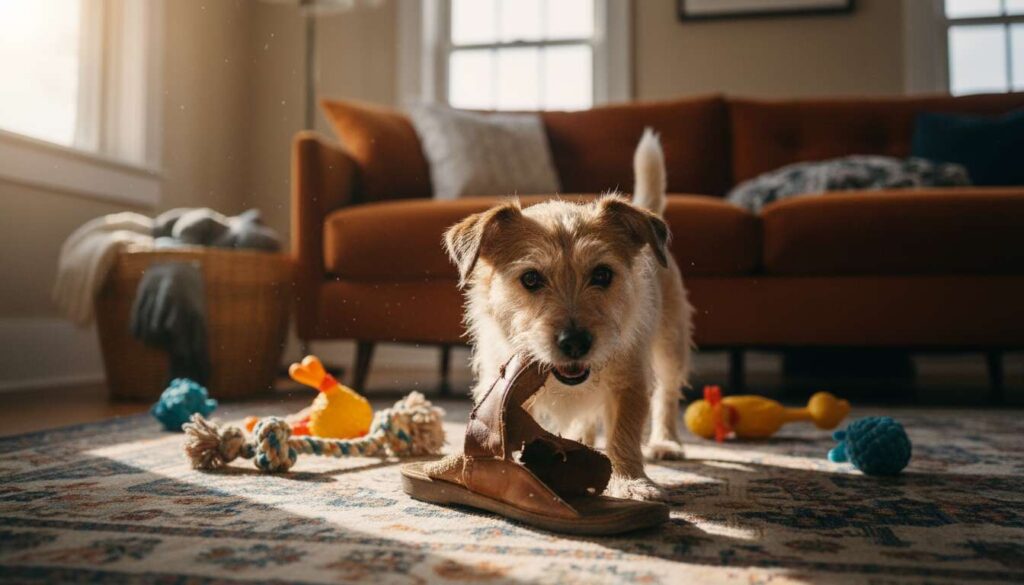
- Destructive chewing of furniture and belongings
- Attention-seeking behaviours that disrupt household routines
- Anxiety-related issues including separation distress
Puzzle feeders, training sessions, scent work, and interactive play all become essential components of daily care. Owners who imagined their small dog would contentedly nap on the sofa for hours discover instead a demanding companion requiring constant enrichment.
These energy demands connect directly to another frequently overlooked challenge: the complex social and behavioural needs of miniature breeds.
Socialisation and behaviour of miniature breeds
The “small dog syndrome” phenomenon
Veterinary behaviourists recognise a pattern termed “small dog syndrome”, characterised by aggression, excessive barking, possessiveness, and anxiety. This collection of behaviours does not arise from inherent breed characteristics but rather from inadequate training and socialisation. Owners often permit behaviours in small dogs that would never be tolerated in larger breeds, inadvertently reinforcing problematic conduct.
When a Pomeranian growls at visitors, owners may find this amusing or dismiss it as harmless. The same behaviour in a German Shepherd would prompt immediate intervention. This inconsistent approach teaches small dogs that aggression achieves desired outcomes, embedding patterns that become increasingly difficult to modify.
Socialisation challenges specific to small breeds
Small dogs face unique socialisation obstacles that owners frequently underestimate. Their size makes them vulnerable to injury from larger dogs, leading owners to restrict interactions during critical developmental periods. Carrying small dogs rather than allowing them to navigate environments independently prevents them from learning appropriate social skills and coping mechanisms.
Effective socialisation for small breeds requires:
- Controlled exposure to various environments, sounds, and surfaces from puppyhood
- Positive interactions with dogs of all sizes under supervised conditions
- Meeting diverse people including children, elderly individuals, and those using mobility aids
- Training that establishes boundaries and reinforces calm behaviour
- Confidence-building exercises that prevent fear-based aggression
The time investment needed for proper socialisation surprises owners who anticipated a low-maintenance companion. Beyond behavioural considerations, financial realities present another source of unexpected regret.
The hidden costs of caring for small dogs
The expense of specialist care
Contrary to assumptions that smaller animals incur lower costs, small dogs often require more expensive veterinary care than larger breeds. Their delicate anatomy necessitates specialist procedures, and many small breeds suffer from genetic conditions requiring ongoing management. Dental disease affects small breeds disproportionately, with professional cleanings under anaesthesia costing between £300 and £800 annually.
Grooming and maintenance expenses
Many popular small breeds possess coats requiring professional grooming every six to eight weeks. Breeds such as Bichon Frisés, Shih Tzus, and Yorkshire Terriers need regular clipping, trimming, and coat maintenance that owners cannot typically perform themselves. Annual grooming costs easily reach £600 to £1,000, an expense rarely factored into initial ownership calculations.
| Expense category | Annual cost estimate | Notes |
|---|---|---|
| Professional grooming | £600-£1,000 | Every 6-8 weeks for most breeds |
| Dental care | £300-£800 | Professional cleaning under anaesthesia |
| Insurance premiums | £400-£800 | Higher for breeds with known health issues |
| Routine veterinary care | £200-£400 | Vaccinations, parasite prevention, check-ups |
Insurance and medical costs
Pet insurance premiums for small breeds with known health vulnerabilities often exceed those for healthier large breeds. Cavalier King Charles Spaniels, French Bulldogs, and Pugs face breed-specific conditions that increase insurance costs significantly. Owners who forego insurance risk substantial veterinary bills when inevitable health issues arise.
These financial considerations link directly to perhaps the most concerning aspect of small dog ownership: their inherent health vulnerabilities.
The delicate health of small breeds
Breed-specific health conditions
Selective breeding for diminutive size has concentrated genetic health problems within small dog populations. Brachycephalic breeds including Pugs, French Bulldogs, and Shih Tzus suffer from respiratory difficulties, eye problems, and heat intolerance. Toy breeds frequently experience luxating patellas, dental overcrowding, and hypoglycaemia. These conditions require ongoing management and veterinary intervention throughout the dog’s life.
Fragility and injury risks
The physical fragility of small dogs creates constant vigilance requirements. Jumping from furniture can result in fractures, particularly in breeds prone to bone density issues. Children must be carefully supervised around small dogs, as rough handling causes serious injuries. Even routine activities like walking present hazards, with small dogs vulnerable to attacks from larger animals or accidental trampling in crowded spaces.
- Bone fractures from falls or jumps occur frequently in toy breeds
- Tracheal collapse affects many small breeds, requiring surgical intervention
- Hypoglycaemia poses life-threatening risks, particularly in very small individuals
- Cold sensitivity necessitates protective clothing in moderate weather
- Anaesthesia carries higher risks due to their size and physiology
Understanding these health challenges proves essential when making an informed decision about which dog truly fits one’s circumstances and capabilities.
Choosing the dog breed that truly suits you
Assessing your lifestyle honestly
Selecting an appropriate dog requires honest self-assessment rather than emotional decision-making based on appearance. Consider your available time, energy levels, financial resources, and living situation objectively. A sedentary individual seeking a calm companion should avoid high-energy terriers regardless of their appealing size. Conversely, active owners may find larger, calmer breeds better suited to their lifestyle than hyperactive small dogs.
Researching beyond appearances
Prospective owners must investigate breed characteristics thoroughly, consulting multiple sources including breed clubs, veterinary professionals, and experienced owners. Observing adult dogs rather than puppies provides realistic expectations about size, coat maintenance, and temperament. Meeting the parents of potential puppies offers insights into likely adult behaviour and appearance.
Key research areas include:
- Breed history and original purpose, which influences behaviour and needs
- Common health conditions and associated costs
- Grooming requirements and whether you can manage these independently
- Exercise and mental stimulation needs specific to the breed
- Typical temperament traits and compatibility with your household
Considering alternatives to purebred puppies
Rescue organisations house countless small dogs needing homes, many relinquished by owners who made uninformed choices. Adult rescue dogs offer the advantage of established personalities, allowing better matching between dog and owner. Crossbreeds may possess fewer genetic health problems than purebreds whilst still meeting size preferences.
The decision to bring a dog into your life deserves careful consideration that prioritises compatibility over convenience or aesthetic appeal.
The regret expressed by many small dog owners stems not from the dogs themselves but from misconceptions that led to inappropriate matches between animal and household. Small dogs demand substantial time, financial investment, training, and care regardless of their compact size. Their energy levels, behavioural needs, health vulnerabilities, and maintenance requirements often exceed those of larger breeds. Prospective owners who research thoroughly, assess their capabilities honestly, and select breeds based on temperament rather than appearance position themselves for rewarding, regret-free relationships with their canine companions. The right dog for your circumstances may indeed be small, but that determination should emerge from informed evaluation rather than assumptions about ease and convenience.