



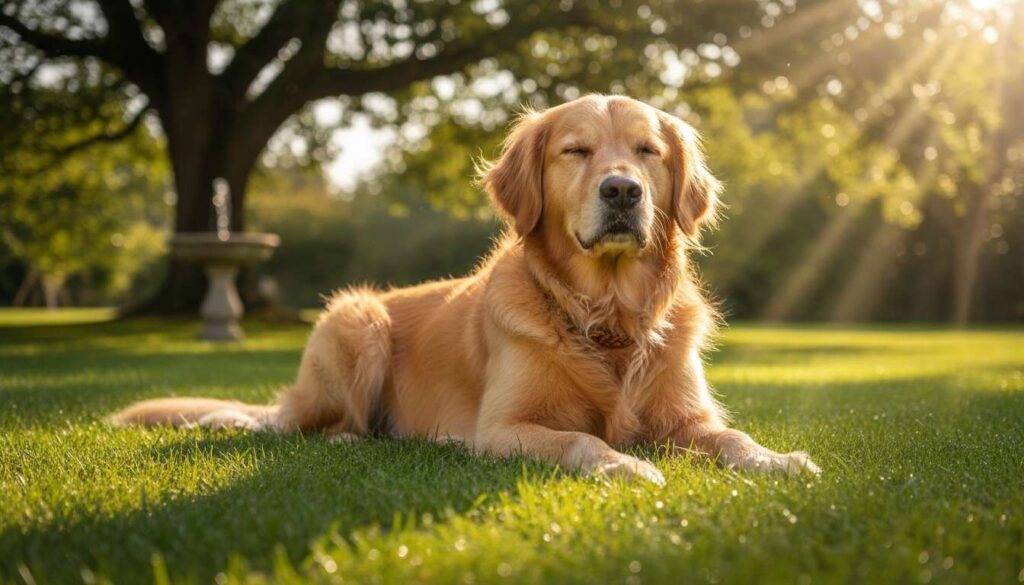
For many households seeking a peaceful companion, selecting a dog with a naturally calm disposition proves essential. Whether living in a compact flat or simply preferring a more relaxed lifestyle, certain breeds consistently demonstrate gentle temperaments and lower energy levels that suit quieter environments. Understanding which breeds possess these qualities helps prospective owners make informed decisions that benefit both family and pet.
What is a calm dog ?
Defining calmness in canine behaviour
A calm dog exhibits controlled behaviour in various situations, demonstrating patience, minimal reactivity to stimuli, and a generally relaxed demeanour. These dogs typically do not display excessive barking, jumping, or hyperactive tendencies. Instead, they respond to their environment with measured reactions and maintain composure during everyday activities.
Key indicators of a tranquil temperament
Several observable traits distinguish calm dogs from their more energetic counterparts:
- Low reactivity to sudden noises or movements
- Minimal barking without provocation
- Contentment with moderate exercise requirements
- Patience when left alone for reasonable periods
- Gentle interactions with children and other pets
- Willingness to settle and rest throughout the day
These characteristics make calm breeds particularly suitable for first-time owners, elderly individuals, and families with young children who require predictable and manageable pets. The distinction between a naturally calm dog and one that has been trained to suppress energy remains important, as inherent temperament proves more reliable than learned behaviour alone.
Recognising these traits helps establish realistic expectations, though individual personality and proper training still play significant roles in shaping a dog’s ultimate behaviour.
Factors affecting dog temperament
Genetic predisposition and breeding history
Breeding practices over generations have shaped temperamental characteristics within specific breeds. Dogs originally bred for companionship typically display calmer dispositions than those developed for hunting, herding, or guarding. Selective breeding emphasises particular traits, meaning a breed’s historical purpose directly influences its modern behavioural tendencies.
Environmental influences on behaviour
A dog’s surroundings significantly impact its temperament development. Factors such as socialisation experiences, training consistency, household atmosphere, and daily routines all contribute to shaping behaviour. Dogs raised in calm, structured environments with positive reinforcement typically develop more balanced temperaments than those exposed to chaotic or unpredictable conditions.
The role of early socialisation
Exposure to various people, animals, and situations during the critical developmental period between three and fourteen weeks substantially affects a dog’s lifelong behaviour. Proper socialisation helps puppies build confidence and reduces anxiety in unfamiliar situations, contributing to a calmer adult temperament.
| Factor | Impact level | Modifiable |
|---|---|---|
| Genetic predisposition | High | No |
| Early socialisation | High | Yes |
| Training consistency | Moderate | Yes |
| Living environment | Moderate | Yes |
Understanding these influences enables owners to maximise their dog’s potential for calm behaviour whilst acknowledging the limitations imposed by genetic factors. This knowledge becomes particularly valuable when examining specific breeds known for their tranquil natures.
The characteristics of the English bulldog
Physical attributes supporting a relaxed lifestyle
The English bulldog’s distinctive build naturally limits high-energy activities. With a stocky frame, short legs, and a brachycephalic (flat-faced) structure, these dogs possess physical characteristics that discourage prolonged exertion. Their moderate size, typically weighing between 18 and 25 kilograms, makes them manageable for most households whilst their muscular build conveys a reassuring presence.
Temperamental qualities
English bulldogs demonstrate remarkable patience and gentleness, particularly with children. Their calm demeanour manifests through:
- Minimal barking tendencies
- Contentment with short, leisurely walks
- Preference for indoor relaxation
- Affectionate yet undemanding nature
- Adaptability to various living situations
Care considerations
Potential owners should recognise that English bulldogs require specific health attention. Their facial structure necessitates careful monitoring during warm weather to prevent overheating. Regular cleaning of facial folds prevents skin infections, whilst their tendency towards obesity demands careful dietary management. Despite these requirements, their low exercise needs and tranquil personality make them excellent companions for those seeking a peaceful household pet.
Similar qualities of gentle temperament and manageable energy levels appear in other breeds, including those with distinctive physical features suited to calm living.
The soothing qualities of the Basset hound
Distinctive appearance and demeanour
The Basset hound’s unmistakable profile features long, drooping ears, soulful eyes, and a low-slung body that conveys both charm and tranquillity. Originally bred for hunting, these dogs possess a methodical approach to life that translates into a remarkably calm household presence. Their gentle expression reflects an equally gentle temperament.
Behavioural characteristics
Basset hounds exhibit exceptional patience and a laid-back attitude that makes them ideal for relaxed environments. Their temperament includes:
- Tolerant nature with children and other pets
- Minimal aggression or territorial behaviour
- Contentment with moderate daily exercise
- Steady, predictable reactions to stimuli
- Affectionate without being overly demanding
Living with a Basset hound
These dogs adapt well to various living situations, though their distinctive baying voice requires consideration in close-quartered housing. Their stubborn streak demands patient, consistent training, yet their fundamentally calm nature makes daily management straightforward. Regular ear cleaning and weight monitoring constitute the primary health concerns, as their long ears and food motivation can lead to infections and obesity respectively. Their moderate size, typically 13 to 15 kilograms, suits most households seeking a manageable yet substantial companion.
Whilst Basset hounds bring tranquillity through their steady temperament, other breeds offer calmness combined with different physical characteristics and social needs.
Why the Cavalier King Charles is ideal for a tranquil home
Elegant appearance and gentle nature
The Cavalier King Charles spaniel combines regal appearance with an exceptionally calm and affectionate temperament. Weighing between 5.9 and 8.2 kilograms, these small dogs possess a graceful demeanour that suits both active families and quieter households. Their expressive eyes and silky coat contribute to their reputation as quintessential companion dogs.
Adaptability and sociability
Cavaliers demonstrate remarkable flexibility in adjusting to their owners’ lifestyles. They equally enjoy gentle walks and extended cuddle sessions, making them perfect for individuals seeking a responsive yet undemanding pet. Their temperament features:
- Exceptional gentleness with children
- Friendly disposition towards strangers and other animals
- Minimal barking and low territorial instincts
- Eagerness to please without hyperactivity
- Comfort in various living environments
Health and maintenance considerations
Cavaliers require regular grooming to maintain their coat condition and benefit from moderate daily exercise. Prospective owners should acknowledge the breed’s predisposition to certain cardiac conditions, necessitating veterinary monitoring. Despite these health considerations, their calm temperament and manageable size make them outstanding choices for those prioritising tranquillity. Their intuitive understanding of human emotions enables them to provide comfort whilst maintaining a peaceful presence.
With various calm breeds offering different attributes, selecting the most suitable companion requires careful consideration of personal circumstances and preferences.
Choosing the breed that best suits you
Assessing your lifestyle requirements
Selecting an appropriate calm breed demands honest evaluation of your living situation, available time, and personal preferences. Consider factors such as available space, household composition, activity level, and grooming commitment. A breed perfectly suited to one household may prove challenging for another, regardless of its generally calm nature.
Matching breed characteristics to your needs
Different calm breeds offer distinct advantages:
| Breed | Size | Exercise needs | Grooming level |
|---|---|---|---|
| English bulldog | Medium | Low | Low |
| Basset hound | Medium | Moderate | Low |
| Cavalier King Charles | Small | Moderate | Moderate |
Meeting potential companions
Spending time with individual dogs before committing proves invaluable. Visit reputable breeders or rescue organisations to observe temperaments firsthand. Ask about the dog’s history, behaviour patterns, and any specific needs. Remember that whilst breed characteristics provide guidance, individual personality varies considerably. A calm breed does not guarantee a calm individual without proper training and socialisation.
Long-term commitment considerations
Evaluate the financial implications of ownership, including veterinary care, insurance, food, and grooming. Consider breed-specific health concerns and their potential impact on long-term costs and emotional investment. A well-matched dog brings years of peaceful companionship, making thorough research and careful selection essential steps in the adoption process.
Calm dog breeds offer peaceful companionship suited to various lifestyles and living situations. Understanding what constitutes a calm temperament, recognising the factors that influence behaviour, and examining specific breeds such as the English bulldog, Basset hound, and Cavalier King Charles spaniel provides valuable guidance for prospective owners. Each breed presents unique characteristics, from the bulldog’s low-energy contentment to the Basset hound’s patient demeanour and the Cavalier’s adaptable gentleness. Successful selection requires honest assessment of personal circumstances, thorough research into breed-specific needs, and consideration of individual personality beyond general breed traits. With careful matching between owner lifestyle and dog temperament, these calm breeds deliver years of tranquil, rewarding companionship.