



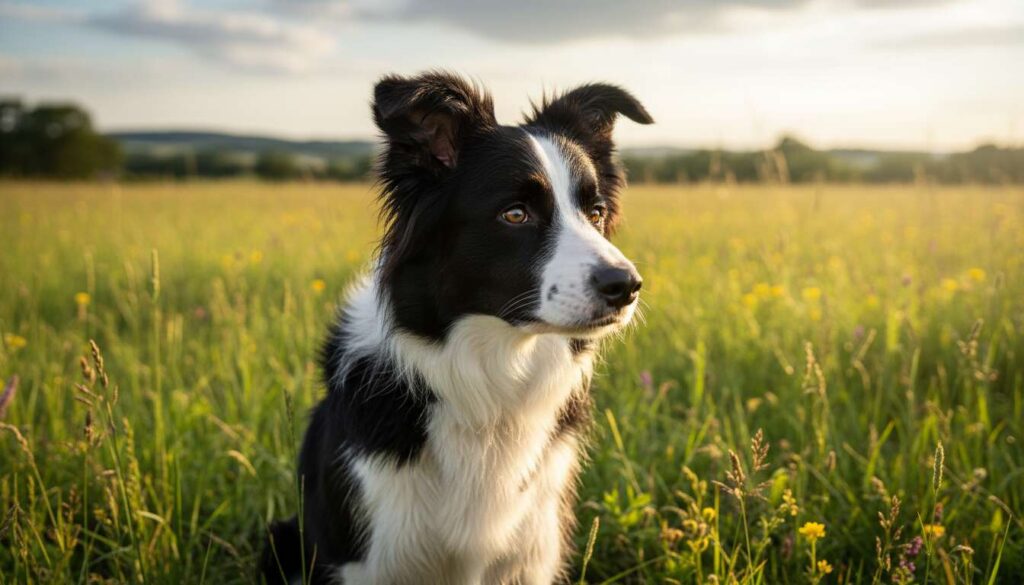
Dogs have captivated humans for millennia, not merely through their loyalty and companionship, but also through their remarkable cognitive abilities. The question of which breeds demonstrate superior intelligence has fascinated researchers, trainers, and owners alike, sparking debates about what truly constitutes canine cleverness and how we measure it effectively.
Understanding canine intelligence
Multiple dimensions of cognitive ability
Canine intelligence manifests itself in three distinct categories that researchers have identified through extensive observation and testing. Instinctive intelligence refers to the inherent abilities a breed was developed to perform, such as herding, hunting, or guarding. Adaptive intelligence encompasses a dog’s capacity to solve problems independently and learn from environmental experiences. Working intelligence measures how quickly a breed learns commands and responds to human instruction.
These dimensions rarely align perfectly within a single breed, creating a complex picture of cognitive capabilities that defies simple categorisation. A breed excelling in working intelligence might demonstrate average adaptive intelligence, whilst another showing remarkable problem-solving skills could prove stubborn when following commands.
The role of selective breeding
Human intervention through selective breeding has shaped canine intelligence over centuries, prioritising specific cognitive traits that served particular purposes:
- Border Collies developed exceptional focus and responsiveness for livestock management
- Retrievers cultivated memory and gentle mouth control for game hunting
- Terriers enhanced independent decision-making for pest control
- Guard dogs refined threat assessment and protective instincts
This deliberate selection process explains why certain breeds consistently demonstrate superior performance in specific intelligence domains, though it also highlights the limitations of universal intelligence rankings.
The complexities inherent in defining canine intelligence naturally lead to questions about how researchers and experts actually assess these cognitive abilities across different breeds.
Criteria for evaluating breeds
Stanley Coren’s influential methodology
The most widely recognised intelligence ranking stems from Stanley Coren’s groundbreaking research published in “The Intelligence of Dogs”. His methodology focused primarily on working and obedience intelligence, surveying over 200 professional dog obedience judges across North America. The criteria emphasised how many repetitions a breed required to learn a new command and the percentage of time they obeyed known commands on the first attempt.
| Intelligence Category | Repetitions to Learn | First Command Obedience |
|---|---|---|
| Brightest breeds | Fewer than 5 | 95% or better |
| Excellent working dogs | 5 to 15 | 85% or better |
| Above average | 15 to 25 | 70% or better |
Alternative assessment approaches
Contemporary researchers have expanded evaluation methods beyond obedience metrics, incorporating behavioural flexibility and social cognition into their assessments. Problem-solving tests measure how dogs navigate physical challenges, such as retrieving treats from puzzle boxes or finding hidden objects. Social intelligence evaluations examine how breeds interpret human gestures, maintain eye contact, and respond to emotional cues.
Memory tests assess both short-term recall and long-term retention, whilst impulse control experiments reveal a breed’s capacity for delayed gratification and self-regulation under temptation.
Having established the frameworks researchers employ, we can now examine which breeds consistently emerge at the top of intelligence assessments.
The most intelligent breeds
The undisputed top performers
The Border Collie consistently claims the premier position in intelligence rankings, demonstrating unparalleled working intelligence and problem-solving capabilities. These dogs learn new commands with remarkable speed, often mastering complex instructions after minimal repetition. Their intense focus and drive to work make them exceptional partners for tasks requiring sustained concentration and nuanced understanding.
Poodles occupy the second position, displaying versatility across multiple intelligence domains. Originally bred as water retrievers, they combine trainability with independent thinking, adapting readily to diverse roles from assistance work to performance competitions. Their hypoallergenic coats have made them popular foundation stock for designer breeds, potentially spreading their cognitive advantages.
Other exceptional breeds
- German Shepherds excel in police and military applications through their combination of intelligence, courage, and trainability
- Golden Retrievers demonstrate outstanding emotional intelligence alongside their learning capacity
- Doberman Pinschers showcase rapid learning abilities with natural protective instincts
- Shetland Sheepdogs mirror Border Collie intelligence in a smaller package
- Labrador Retrievers balance high trainability with friendly, adaptable temperaments
- Papillons prove that intelligence transcends size categories
These breeds share common traits including strong human orientation, high motivation to please, and exceptional memory, though each expresses intelligence through breed-specific behaviours and strengths.
Whilst these breeds dominate traditional rankings, several lesser-known varieties demonstrate surprising cognitive capabilities that often go unrecognised.
Lesser-known but surprising breeds
Underestimated working breeds
The Belgian Malinois rivals the German Shepherd in intelligence but remains less familiar to the general public. Military and police units increasingly favour this breed for detection work and protection duties, appreciating their intense drive and rapid learning capabilities. Their success in demanding professional roles demonstrates intelligence levels comparable to more celebrated breeds.
Australian Cattle Dogs possess remarkable problem-solving abilities developed through generations of independent livestock management. These dogs exhibit exceptional spatial awareness and strategic thinking, often devising creative solutions to herding challenges without human direction.
Small breeds with big brains
The Schipperke, a Belgian breed originally used as watchdog and vermin hunter, demonstrates surprising cognitive abilities despite its modest size and relative obscurity. These dogs show keen observational skills and adaptability, learning household routines quickly and responding appropriately to environmental changes.
Pembroke Welsh Corgis combine herding intelligence with remarkable memory, remembering complex routes and distinguishing between hundreds of individual livestock. Their low stature belies cognitive capabilities matching much larger working breeds, though their independent streak sometimes masks their intelligence in obedience contexts.
Despite widespread acceptance of breed intelligence rankings, these assessments face substantial criticism from researchers and dog behaviour experts.
Criticisms and controversies around rankings
Methodological limitations
Critics argue that obedience-focused rankings fundamentally misrepresent canine intelligence by prioritising compliance over cognitive ability. Breeds developed for independent decision-making, such as livestock guardians or sighthounds, may score poorly on obedience metrics whilst demonstrating superior problem-solving and situational assessment capabilities. A dog that questions commands before executing them might possess greater intelligence than one that obeys blindly.
The reliance on judge surveys introduces subjective bias, as evaluators may favour breeds they work with frequently or hold preconceptions about breed capabilities. Testing environments typically favour breeds comfortable in structured training settings, potentially disadvantaging those bred for autonomous outdoor work.
Individual variation and environmental factors
Substantial cognitive differences exist within breeds, sometimes exceeding variation between breeds. Individual dogs may dramatically outperform or underperform breed expectations based on genetics, early socialisation, training quality, and environmental enrichment. A poorly socialised Border Collie might display less practical intelligence than a well-trained Bulldog, despite breed-level rankings suggesting otherwise.
- Early neurological stimulation affects cognitive development regardless of breed
- Consistent training and mental stimulation enhance problem-solving abilities
- Health conditions and stress significantly impact cognitive performance
- Handler skill and relationship quality influence apparent intelligence
Understanding these controversies provides important context for interpreting how intelligence influences practical aspects of dog ownership.
The impact of intelligence on behaviour and training
Training implications
Highly intelligent breeds require substantial mental stimulation and consistent training to prevent behavioural problems. Border Collies and similar breeds deprived of adequate cognitive challenges often develop destructive behaviours, obsessive tendencies, or anxiety disorders. Their capacity to learn quickly extends to undesirable behaviours, making early training and clear boundaries essential.
Conversely, breeds ranking lower in obedience intelligence may prove perfectly trainable with appropriate methods, often responding better to motivational techniques than repetitive drilling. These dogs benefit from patient, reward-based approaches that respect their independent thinking styles.
Matching breed intelligence to lifestyle
Prospective owners should consider whether a breed’s intelligence profile suits their circumstances rather than simply seeking the highest-ranked breed. High-intelligence working breeds thrive with active owners who provide regular training, complex tasks, and physical exercise, but may overwhelm sedentary households or first-time owners.
| Owner Lifestyle | Suitable Intelligence Profile | Example Breeds |
|---|---|---|
| Active, experienced trainers | High working intelligence | Border Collie, Malinois |
| Families seeking companions | Balanced, moderate intelligence | Labrador, Golden Retriever |
| Less active households | Lower energy, independent | Basset Hound, Bulldog |
The fascination with canine intelligence rankings reflects our deep connection with dogs and desire to understand their remarkable minds. Whilst research has identified breeds consistently demonstrating superior performance in specific cognitive domains, intelligence manifests differently across breeds based on their historical purposes and selective breeding. The most meaningful measure of canine intelligence ultimately depends on how well a dog’s cognitive profile aligns with their owner’s needs and lifestyle, rather than their position on any universal ranking. Individual variation, training quality, and environmental factors significantly influence cognitive development, often outweighing breed-level predispositions. Whether your companion ranks amongst the brightest breeds or possesses different cognitive strengths, nurturing their unique abilities through appropriate stimulation and positive training creates the foundation for a fulfilling partnership.