



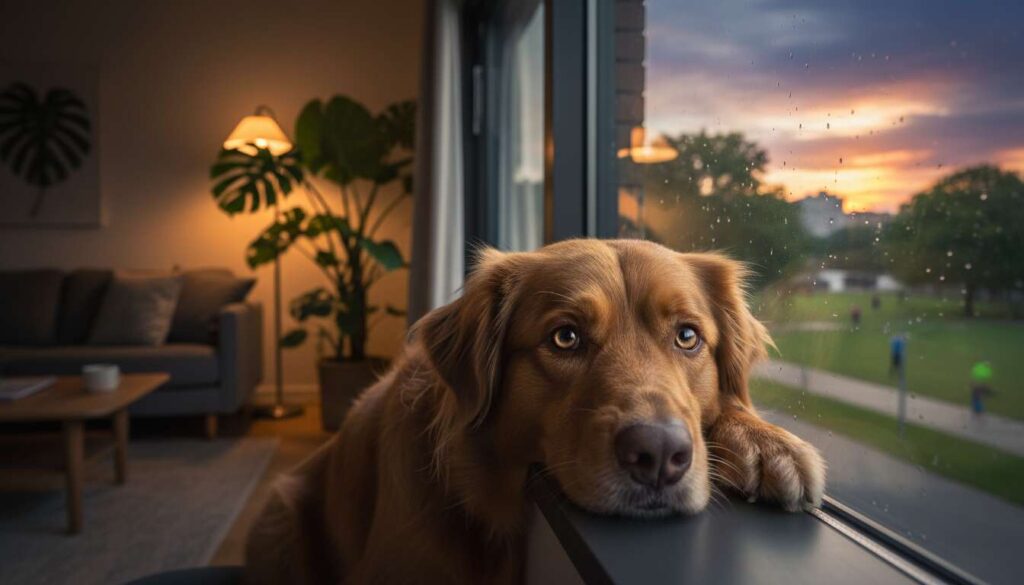
Living in an apartment doesn’t mean you can’t share your life with a canine companion, but it does require careful consideration. Many prospective dog owners worry primarily about square footage, yet research increasingly shows that mental stimulation matters far more than physical space. Dogs confined to even spacious flats can develop behavioural problems when their psychological needs go unmet. Understanding how to prevent boredom and provide enrichment transforms apartment living from a potential limitation into a perfectly viable environment for your four-legged friend.
Choosing the right dog for an apartment
Temperament trumps size
Contrary to popular belief, smaller dogs aren’t automatically better suited to apartment life. Temperament and energy levels prove far more significant than physical dimensions. A calm Greyhound may adapt better to flat living than a hyperactive Jack Russell Terrier, despite the considerable size difference.
When selecting a dog for apartment living, consider these characteristics:
- Lower energy levels and moderate exercise requirements
- Quieter breeds less prone to excessive barking
- Adaptable temperament that handles routine changes well
- Breeds that don’t require constant outdoor access
- Dogs with lower separation anxiety tendencies
Breeds particularly suited to apartments
Certain breeds have proven track records in compact living environments. Cavalier King Charles Spaniels, French Bulldogs, and Basset Hounds typically adapt well to apartment life. Surprisingly, many retired racing Greyhounds make excellent flat dwellers, spending much of their day sleeping contentedly.
| Breed | Energy Level | Noise Level | Adaptability |
|---|---|---|---|
| French Bulldog | Low-Moderate | Low | High |
| Cavalier King Charles | Moderate | Low | High |
| Greyhound | Low | Very Low | High |
| Bichon Frise | Moderate | Moderate | High |
Beyond breed selection, understanding what dogs actually need helps create an environment where they can thrive regardless of limited square footage.
Understanding the basic needs of dogs
Physical exercise requirements
All dogs require regular physical activity, though the amount varies considerably by breed, age, and individual temperament. Most dogs benefit from at least one substantial walk daily, supplemented by shorter outings for toileting purposes. High-energy breeds may need two or more vigorous exercise sessions.
Mental stimulation needs
Mental exercise often proves more exhausting than physical activity. A fifteen-minute training session can tire a dog more effectively than a thirty-minute walk. Dogs are intelligent creatures that need problem-solving opportunities, new experiences, and cognitive challenges to remain psychologically healthy.
Social and emotional requirements
Dogs are inherently social animals requiring regular interaction with humans and, ideally, other dogs. Isolation leads to stress, anxiety, and behavioural problems. Even in apartments, dogs need:
- Quality time with their owners involving active engagement
- Opportunities to interact with other dogs safely
- Exposure to varied environments and stimuli
- Consistent routines that provide security
- Positive reinforcement and mental challenges
When these fundamental needs aren’t met, dogs begin exhibiting clear warning signs that shouldn’t be ignored.
Signs of boredom in dogs
Destructive behaviours
Destructive chewing, scratching, and digging rank among the most common indicators of canine boredom. A dog left unstimulated will create their own entertainment, often targeting furniture, door frames, or personal belongings. This behaviour isn’t spite but rather a symptom of unmet psychological needs.
Excessive vocalisation
Bored dogs frequently bark, whine, or howl excessively. This vocalisation may occur when left alone or even in your presence. Persistent barking in apartment settings creates tension with neighbours, making early intervention essential.
Repetitive behaviours
Watch for stereotypic behaviours such as:
- Pacing the same route repeatedly
- Tail chasing or excessive licking
- Jumping at windows or doors obsessively
- Digging at floors or furniture
- Excessive self-grooming leading to bald patches
Changes in appetite and sleep patterns
Chronically bored dogs may sleep excessively during the day yet remain restless at night. Alternatively, some develop increased appetite or lose interest in food entirely. These changes often accompany other behavioural symptoms.
Recognising these signs early allows you to implement targeted strategies that address the root cause rather than merely managing symptoms.
Activities to mentally stimulate your dog
Interactive feeding methods
Food puzzle toys transform mealtimes into engaging mental workouts. Rather than eating from a bowl in seconds, dogs must problem-solve to access their food. Options include Kong toys stuffed with frozen treats, snuffle mats, and puzzle feeders of varying difficulty levels.
Training and trick work
Regular training sessions provide excellent mental stimulation. Teaching new commands, tricks, or behaviours keeps minds active. Even five-minute sessions throughout the day significantly reduce boredom. Consider teaching:
- Basic obedience commands with increased complexity
- Fun tricks like “play dead” or “spin”
- Scent work and nose games
- Object identification and retrieval by name
Enrichment games
Simple enrichment activities require minimal space but provide substantial mental engagement. Hide treats around the apartment for scavenger hunts, play “find it” games, or create DIY puzzle toys from cardboard boxes and toilet rolls. Rotating toys weekly maintains novelty and interest.
Sensory stimulation
Expose your dog to varied sensory experiences within your flat. Play different sounds, introduce new textures, or set up a window perch for watching outdoor activity. These seemingly small additions significantly enrich their environment.
Mental stimulation works best when combined with thoughtful organisation of your dog’s physical environment.
How to organise their living space
Creating distinct zones
Even in limited space, establishing designated areas for different activities helps dogs understand expectations. Create separate zones for:
- Sleeping and resting
- Eating and drinking
- Playing and activity
- Quiet time and relaxation
Maximising vertical space
Think vertically when space is limited. Window perches allow dogs to observe the outside world, providing free entertainment. Elevated resting spots help some dogs feel more secure whilst freeing floor space.
Safety and comfort considerations
Ensure your apartment is safe by securing electrical cables, removing toxic plants, and storing hazardous substances securely. Provide comfortable bedding in quiet areas where your dog can retreat when overwhelmed. Temperature control matters too, as apartments can become stuffy.
Toy rotation systems
Rather than leaving all toys available constantly, implement a rotation system. Divide toys into groups and swap them weekly. This maintains novelty without requiring constant purchases of new items.
However well-organised your flat, nothing replaces the benefits of venturing beyond your four walls.
The importance of outings and social interactions
Daily walks as non-negotiable
Regular outdoor excursions provide essential physical exercise, mental stimulation, and sensory enrichment simultaneously. Varied walking routes expose dogs to different sights, sounds, and smells, preventing monotony. Aim for at least one substantial walk daily, with additional shorter outings.
Dog parks and play dates
Social interaction with other dogs fulfils important behavioural needs. Well-supervised dog parks offer opportunities for play and socialisation. Alternatively, arrange play dates with compatible dogs in safe environments. These interactions teach vital social skills whilst providing physical and mental exercise.
Training classes and group activities
Structured activities like obedience classes, agility training, or scent work groups combine learning with socialisation. These sessions provide mental challenges in stimulating environments, often exhausting dogs more effectively than simple walks.
Exploring new environments
Regularly visit different locations such as:
- Parks and nature reserves
- Pet-friendly cafés and shops
- Beach areas where dogs are permitted
- Quiet urban areas for lead walking practice
Novel environments provide rich sensory experiences that combat boredom far more effectively than repeated routes.
Apartment living with dogs succeeds when owners prioritise mental enrichment alongside physical exercise. Space limitations needn’t compromise your dog’s wellbeing if you commit to providing varied activities, social opportunities, and environmental stimulation. The key lies in recognising that boredom poses a greater threat than square footage. By understanding your dog’s needs, recognising warning signs, and implementing targeted strategies, you create an enriching environment where your canine companion thrives. Regular outings, creative indoor activities, and thoughtful space organisation transform any apartment into a perfectly suitable home for a happy, mentally stimulated dog.