



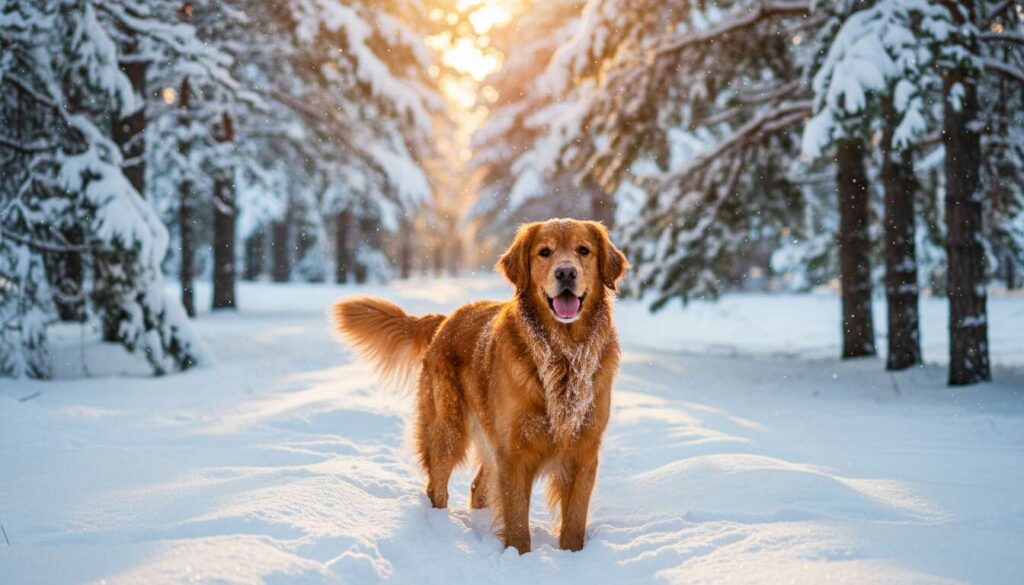
Winter presents unique challenges for dog owners, requiring adjustments to daily care routines to ensure pets remain healthy and comfortable throughout the colder months. As temperatures drop and weather conditions become harsher, dogs face particular risks ranging from damaged paw pads to hypothermia. Understanding the specific needs of canine companions during this season is essential for responsible pet ownership. From protecting sensitive paws against ice and salt to maintaining proper nutrition levels, each aspect of winter care plays a crucial role in safeguarding your dog’s wellbeing. By implementing appropriate preventative measures and adapting existing habits, owners can help their four-legged friends navigate the winter season safely and enjoyably.
Paw care in winter
The impact of cold surfaces and chemicals
Dogs’ paws are remarkably resilient, yet winter conditions pose significant threats to their delicate pad tissue. Exposure to ice, snow, and frozen ground can cause cracking, bleeding, and painful irritation. Additionally, de-icing salts and chemical treatments commonly applied to roads and pavements create corrosive environments that damage paw pads and may prove toxic if ingested during grooming.
Protective measures for healthy paws
Several strategies can effectively shield your dog’s paws from winter hazards:
- Apply paw balm or protective wax before walks to create a barrier against salt and cold
- Consider dog boots for extended outdoor activities or particularly sensitive paws
- Trim hair between paw pads to prevent ice ball formation
- Rinse paws with warm water after each walk to remove chemicals and debris
- Inspect pads regularly for signs of damage or irritation
Post-walk paw maintenance
Establishing a consistent cleaning routine following outdoor excursions proves essential. Gently wiping paws with a damp cloth removes salt residue and prevents your dog from ingesting harmful substances whilst licking their feet. For dogs with particularly sensitive skin, applying a moisturising balm after cleaning helps maintain pad suppleness and prevents cracking. Regular nail trimming also becomes more important during winter, as proper nail length improves traction on slippery surfaces.
Whilst paw protection forms the foundation of winter care, the coat covering your dog’s body requires equally thoughtful attention to maintain its protective properties.
Protecting your dog’s coat
Natural insulation and its maintenance
A dog’s coat serves as their primary defence against cold weather, providing essential insulation through multiple layers of fur. The undercoat traps warm air close to the skin, whilst the outer coat repels moisture and wind. However, this natural protection system only functions optimally when properly maintained. Regular brushing removes dead hair, distributes natural oils, and prevents matting that compromises insulation effectiveness.
Grooming considerations during cold months
Winter grooming practices differ significantly from summer routines. Key adjustments include:
- Avoiding close shaves or extensive trimming that removes protective layers
- Increasing brushing frequency to prevent matting from wet conditions
- Using moisture-wicking shampoos designed for winter bathing
- Ensuring complete drying after baths to prevent hypothermia
- Maintaining regular professional grooming appointments for coat health assessment
Additional protection for vulnerable breeds
Certain breeds require supplementary protection beyond their natural coat. Short-haired dogs, small breeds, puppies, senior dogs, and those with health conditions benefit substantially from wearing dog coats or jumpers during outdoor activities. When selecting protective clothing, ensure proper fit that allows free movement whilst covering the body from neck to tail base. Waterproof outer layers prove particularly valuable during wet winter weather.
| Breed Type | Natural Cold Tolerance | Additional Protection Needed |
|---|---|---|
| Double-coated breeds | High | Minimal, mainly for extreme conditions |
| Short-haired breeds | Low | Coat for most outdoor activities |
| Small breeds | Low to moderate | Coat recommended below 5°C |
| Senior dogs | Reduced | Coat and limited exposure time |
Beyond external protection, internal nutrition plays an equally vital role in supporting your dog’s ability to withstand winter challenges.
The importance of a proper diet
Increased caloric requirements
Cold weather forces dogs’ bodies to work harder maintaining core temperature, resulting in elevated energy expenditure. Dogs spending significant time outdoors may require caloric increases of 10-20% compared to summer intake. However, house dogs remaining primarily indoors may actually need fewer calories due to reduced activity levels. Monitoring body condition and adjusting portions accordingly ensures optimal weight maintenance throughout the season.
Nutritional components for winter health
Specific dietary elements become particularly important during colder months. High-quality proteins support muscle maintenance and energy production, whilst healthy fats provide concentrated calories and support skin and coat health. Omega-3 fatty acids prove especially beneficial for maintaining coat condition and reducing inflammation in joints affected by cold and damp conditions.
Feeding schedule adjustments
Consider implementing these dietary modifications:
- Divide daily food into smaller, more frequent meals to support metabolism
- Offer slightly warmed food to encourage appetite and aid digestion
- Supplement with fish oil for additional omega-3 fatty acids
- Provide fresh vegetables like carrots or green beans for added nutrients
- Consult your veterinarian about vitamin supplements for senior or compromised dogs
Proper nutrition provides the foundation for maintaining activity levels, which remain crucial despite colder temperatures and shorter daylight hours.
The benefits of winter exercise
Maintaining physical and mental health
Regular exercise remains essential throughout winter for physical fitness, mental stimulation, and behavioural management. Reduced activity often leads to weight gain, muscle loss, and increased destructive behaviours stemming from boredom and pent-up energy. Cold weather should modify exercise routines rather than eliminate them entirely.
Safe winter activity strategies
Adapting exercise routines to winter conditions ensures safety whilst maintaining fitness. Shorter, more frequent walks often prove more suitable than extended outings in extreme cold. Midday walks capitalise on warmer temperatures and better visibility. For particularly harsh days, indoor alternatives such as interactive games, training sessions, or indoor agility courses provide valuable stimulation without cold exposure.
Recognising exercise limitations
Monitoring your dog during winter activities helps identify when conditions become too challenging:
- Shivering indicates excessive cold exposure requiring immediate warming
- Lifting paws repeatedly suggests discomfort from cold surfaces
- Reluctance to continue walking signals fatigue or cold intolerance
- Seeking shelter demonstrates need for protection from elements
- Lethargy following outdoor time may indicate overexertion in cold conditions
Understanding these warning signs enables owners to implement appropriate protective measures before problems escalate into serious health concerns.
Precautions against the cold
Recognising hypothermia and frostbite
Awareness of cold-related dangers proves critical for preventing serious health complications. Hypothermia occurs when body temperature drops below normal, manifesting through shivering, lethargy, weakness, and shallow breathing. Frostbite typically affects extremities including ears, tail, and paws, causing pale or grey discolouration and pain upon warming. Both conditions require immediate veterinary attention.
Creating safe outdoor environments
Dogs spending time in gardens or yards need appropriate shelter and protection. Insulated dog houses positioned away from wind with raised floors and weatherproof roofs provide essential refuge. Bedding should consist of moisture-resistant materials changed frequently to prevent dampness. Never leave dogs outdoors for extended periods during freezing temperatures, regardless of shelter availability.
Indoor safety considerations
Home environments also require winter-specific adjustments:
- Position bedding away from draughts and cold floors
- Provide elevated beds or additional blankets for warmth
- Ensure heating systems maintain comfortable temperatures without creating hot spots
- Keep antifreeze and other toxic winter chemicals securely stored
- Monitor indoor humidity levels to prevent dry skin and respiratory irritation
Alongside temperature management, maintaining proper hydration levels presents unique challenges during winter months that require specific attention.
Hydration: a vital element in the cold season
Winter dehydration risks
Despite cooler temperatures, dogs remain susceptible to dehydration during winter. Dry air from heating systems increases moisture loss through respiration, whilst snow consumption proves inadequate for meeting hydration needs. Some dogs naturally drink less in cold weather, compounding the problem. Dehydration compromises immune function, digestion, and overall health regardless of season.
Ensuring adequate water intake
Implementing strategies to encourage drinking maintains proper hydration. Providing fresh, room-temperature water proves more appealing than icy cold water. Multiple water stations throughout the home increase accessibility. For outdoor dogs, heated water bowls prevent freezing whilst maintaining palatable temperature. Adding small amounts of low-sodium broth to water can entice reluctant drinkers, though this should not replace regular water entirely.
Monitoring hydration status
Regular assessment helps identify dehydration before it becomes problematic. Check gum moisture, skin elasticity, and urine colour as indicators of hydration status. Dark urine, dry gums, or skin that remains tented when gently pulled suggest insufficient water intake requiring immediate attention.
Winter care for dogs encompasses multiple interconnected elements, each contributing to overall health and comfort during challenging seasonal conditions. Protecting paws from harsh surfaces and chemicals prevents painful injuries whilst maintaining mobility. Proper coat care and supplementary clothing ensure adequate insulation against cold temperatures. Adjusted nutrition supports increased energy demands and maintains optimal body condition. Regular exercise adapted to weather conditions preserves physical fitness and mental wellbeing. Vigilant monitoring for cold-related dangers prevents serious health complications. Finally, maintaining proper hydration supports all bodily functions despite reduced natural thirst drive. By implementing these comprehensive care strategies, owners provide their canine companions with the support needed to thrive throughout the winter months, ensuring both safety and enjoyment of the season.