



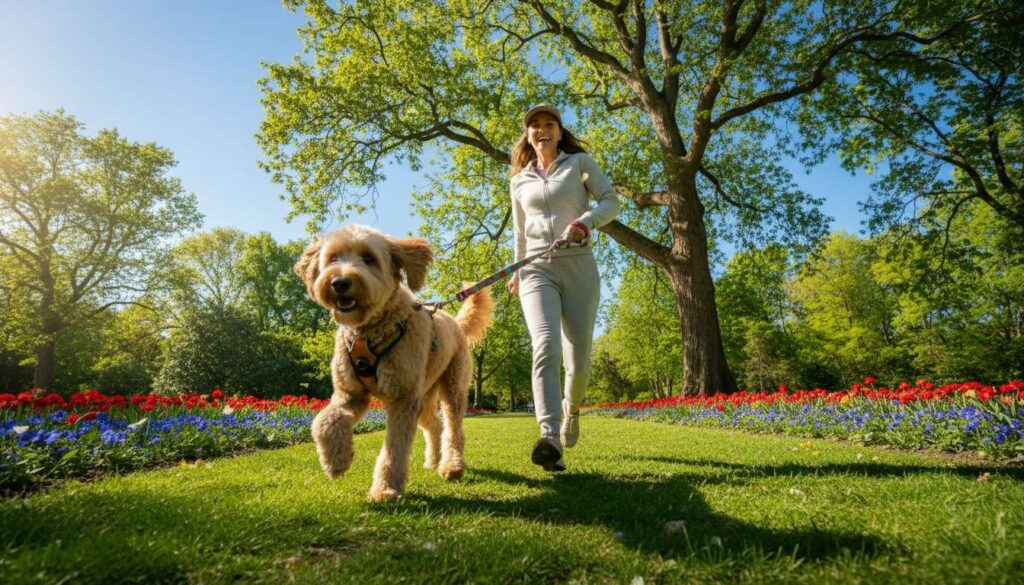
Every dog owner faces the same question: how frequently should their canine companion be taken outside for exercise and stimulation ? The answer isn’t universal, as it depends on multiple factors including breed characteristics, age, health status, and environmental conditions. Understanding your dog’s individual requirements ensures their physical wellbeing and mental balance, whilst also strengthening the bond between owner and pet. This comprehensive guide explores the essential elements that determine optimal walking frequency and duration.
Why walking is essential for your dog
Physical health benefits
Regular walks provide crucial cardiovascular exercise that maintains your dog’s healthy weight and prevents obesity-related conditions. Physical activity strengthens muscles, improves joint flexibility, and enhances overall stamina. Dogs that receive adequate exercise demonstrate better digestion, stronger immune systems, and increased longevity compared to sedentary animals.
Mental stimulation and behavioural advantages
Beyond physical fitness, walks offer essential mental enrichment through exposure to diverse environments, scents, and social interactions. Dogs that walk regularly exhibit fewer behavioural problems such as:
- Excessive barking and destructive chewing
- Anxiety and depression symptoms
- Aggression towards people or other animals
- Hyperactivity and attention-seeking behaviours
The sensory stimulation encountered during walks satisfies a dog’s natural curiosity and hunting instincts, reducing boredom and promoting emotional stability.
Socialisation opportunities
Regular outings expose dogs to various situations, people, and other animals, which is fundamental for proper socialisation. This exposure builds confidence and reduces fear-based reactions, creating a well-adjusted companion comfortable in different settings.
Understanding these fundamental benefits establishes why frequency matters, though the specific requirements vary considerably across different types of dogs.
The specific needs by breed and age
Breed-specific exercise requirements
Different breeds possess vastly different energy levels and exercise needs based on their original purposes. Working and sporting breeds such as Border Collies, Labrador Retrievers, and German Shepherds require substantial daily exercise, often exceeding two hours. Conversely, brachycephalic breeds like Bulldogs and Pugs need shorter, gentler walks due to respiratory limitations.
| Breed Category | Daily Exercise Requirement | Recommended Walk Frequency |
|---|---|---|
| High-energy breeds | 90-120 minutes | 3-4 walks daily |
| Medium-energy breeds | 60-90 minutes | 2-3 walks daily |
| Low-energy breeds | 30-60 minutes | 2 walks daily |
| Toy breeds | 20-40 minutes | 2-3 short walks daily |
Age-related considerations
Puppies possess abundant energy but require shorter, more frequent outings to accommodate their developing bodies and limited bladder control. A general guideline suggests five minutes of exercise per month of age, twice daily. Senior dogs need gentler, shorter walks that maintain mobility without causing joint strain or exhaustion.
Individual health factors
Dogs with medical conditions, obesity, or recovery from illness require tailored exercise programmes developed in consultation with veterinary professionals. Gradually increasing activity levels prevents injury whilst building fitness safely.
Once you understand your dog’s inherent characteristics, establishing a practical daily routine becomes the next consideration.
How often to walk an adult dog
Minimum daily requirements
Most adult dogs benefit from at least two walks per day, typically morning and evening, totalling a minimum of 30 to 60 minutes. This baseline ensures adequate toileting opportunities and basic exercise needs are met. However, many breeds require substantially more activity to maintain optimal health.
Optimal frequency for different lifestyles
The ideal walking schedule balances your dog’s needs with practical constraints:
- Three walks daily: morning, midday, and evening sessions suit high-energy breeds and working dogs
- Two walks daily: adequate for moderate-energy breeds with garden access
- Four or more short walks: beneficial for elderly dogs, puppies, or those with medical conditions requiring frequent breaks
Quality versus quantity
Walk duration and intensity matter as much as frequency. A stimulating 30-minute walk with varied terrain, sniffing opportunities, and social interaction provides more benefit than an hour of monotonous pavement walking. Incorporating training exercises, play sessions, and exploratory time maximises the value of each outing.
Signs your dog needs more exercise
Behavioural indicators suggesting insufficient walking include restlessness, weight gain, destructive behaviour, excessive excitement when walk time arrives, and difficulty settling indoors. Adjusting frequency or duration addresses these issues effectively.
Environmental factors also significantly influence how you structure your dog’s exercise routine throughout the year.
Adapting the pace depending on weather conditions
Hot weather precautions
During summer months, timing becomes critical to prevent heatstroke and paw pad burns. Schedule walks during cooler periods—early morning before 8am and late evening after 8pm. Reduce intensity and duration, allowing frequent water breaks. The pavement test is essential: if the surface feels too hot for your bare hand after five seconds, it will burn your dog’s paws.
Cold weather adjustments
Winter conditions require different considerations. Shorter-haired breeds and small dogs benefit from protective clothing during freezing temperatures. Ice and salt on pavements can damage paw pads, making protective boots worthwhile. Reduce walk duration in extreme cold whilst increasing frequency to maintain daily exercise totals.
Wet and windy conditions
Rain shouldn’t prevent walks entirely, as dogs still require exercise and toileting opportunities. Waterproof coats for both owner and dog make inclement weather manageable. However, strong winds and storms warrant postponement for safety reasons, substituting with indoor activities temporarily.
Seasonal schedule modifications
Adapting your routine seasonally maintains consistency whilst prioritising safety:
- Summer: shorter, more frequent walks during cooler hours
- Winter: midday walks when temperatures peak
- Spring and autumn: optimal conditions for longer, more adventurous outings
Beyond simply adjusting to weather, enhancing the quality of each walk significantly benefits your dog’s overall wellbeing.
Tips to make walks more stimulating
Vary your routes regularly
Exploring different locations provides novel sensory experiences that engage your dog’s mind. Alternate between parks, woodland paths, urban streets, and beaches to expose your companion to diverse environments, textures, and scents. This variety prevents boredom and satisfies natural exploratory instincts.
Incorporate training exercises
Transform walks into learning opportunities by practising commands, recall training, and loose-lead walking. Short training sessions during outings provide mental stimulation that tires dogs as effectively as physical exercise. Reward-based training strengthens obedience whilst making walks more interactive.
Allow adequate sniffing time
Resisting the urge to rush allows your dog to investigate scents thoroughly. Sniffing provides crucial mental enrichment and information gathering about their environment. Designate specific portions of walks as “sniff time” where your dog leads and explores freely.
Social interaction opportunities
Arrange walks with other dog owners to provide socialisation benefits. Controlled interactions with friendly dogs improve social skills and provide enjoyable play opportunities. Dog parks offer off-lead exercise, though supervision remains essential.
Interactive games during walks
Incorporate activities that engage both body and mind:
- Hide-and-seek games using treats or toys
- Fetch or retrieval exercises in safe areas
- Agility challenges using natural obstacles
- Scent work and tracking games
Urban environments present unique challenges requiring specific safety measures and awareness.
Precautions to take when walking in the city
Lead and collar safety
Always use a properly fitted collar or harness with identification tags containing current contact information. Double-lead systems or slip-proof harnesses provide additional security for dogs prone to escaping. Regular equipment inspections prevent failures from wear and tear.
Traffic awareness and crossing safety
Urban walks demand constant vigilance regarding vehicles, cyclists, and pedestrians. Teach your dog to sit at kerbs before crossing and maintain close control near roads. High-visibility accessories improve safety during low-light conditions, particularly essential during winter months.
Avoiding hazards and toxic substances
City streets contain numerous dangers including broken glass, discarded food, chemicals, and rat poison. Train a reliable “leave it” command to prevent ingestion of harmful substances. Keep dogs away from bins and restaurant areas where tempting but dangerous items accumulate.
Managing encounters with other dogs and people
Not all urban dogs or pedestrians welcome interactions. Maintain respectful distance and always ask permission before allowing your dog to approach others. Cross streets or change direction when encountering reactive dogs to prevent confrontations.
Legal requirements and etiquette
Responsible urban dog ownership includes:
- Always carrying waste bags and disposing of faeces properly
- Respecting lead requirements in designated areas
- Preventing excessive barking that disturbs residents
- Keeping dogs under control around children and vulnerable people
- Following local bylaws regarding dog access to public spaces
Walking your dog appropriately requires understanding their individual needs based on breed, age, and health status. Most adult dogs thrive with two to three walks daily, totalling between 30 minutes and two hours depending on energy levels. Weather conditions necessitate schedule adjustments to ensure safety and comfort throughout the year. Enhancing walks with varied routes, training opportunities, and social interactions maximises both physical and mental benefits. Urban environments demand particular attention to safety through proper equipment, hazard awareness, and responsible etiquette. By tailoring your approach to your dog’s specific requirements and circumstances, you create a fulfilling routine that promotes lifelong health and happiness.