



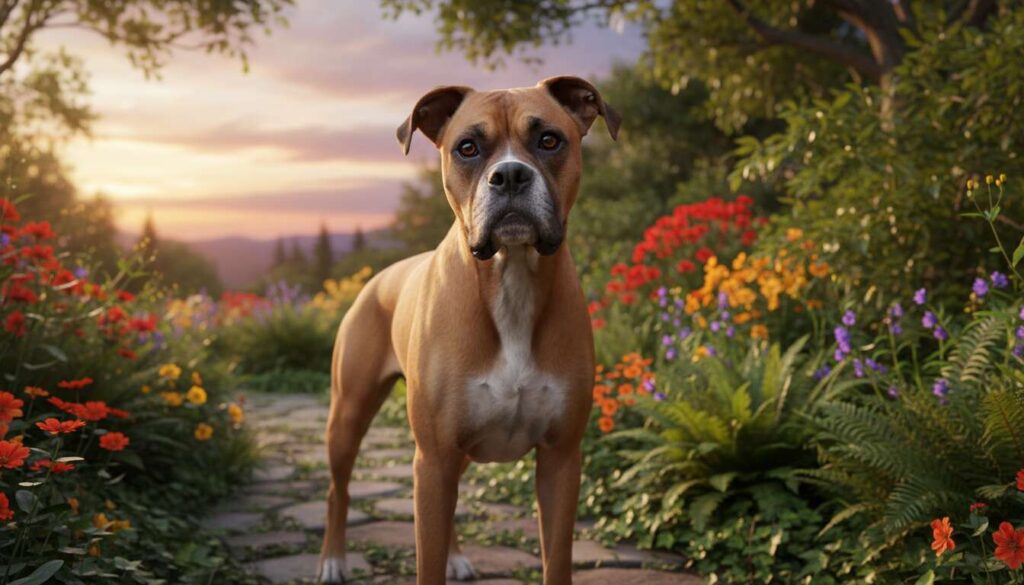
The boxer stands out as one of the most recognisable and beloved dog breeds worldwide, capturing hearts with its distinctive muscular build, expressive face, and boundless energy. Originally developed in Germany during the late 19th century, this medium to large-sized breed has evolved from a working dog into a cherished family companion. With their playful nature, unwavering devotion, and natural protective instincts, boxers have earned a reputation as excellent guardians and loyal friends. However, prospective owners should understand that this breed requires considerable commitment, from meeting their substantial exercise needs to managing their exuberant personality. Before welcoming a boxer into your home, it’s essential to familiarise yourself with their unique characteristics, care requirements, and temperament to ensure a harmonious match.
Boxer characteristics: a truly loyal dog
Physical attributes and appearance
The boxer possesses a distinctive square-shaped head with a short muzzle and pronounced underbite, giving them their characteristic facial expression. Males typically stand between 57 and 63 centimetres at the shoulder, whilst females measure slightly smaller at 53 to 60 centimetres. Weight ranges from 25 to 32 kilograms for females and 30 to 38 kilograms for males. Their coat is short, smooth, and tight-fitting, requiring minimal grooming. Standard colours include:
- Fawn, ranging from light tan to deep mahogany
- Brindle, featuring dark stripes on a fawn background
- White markings, often appearing on the chest, face, and paws
Loyalty and devotion to family
Boxers form extraordinarily strong bonds with their human families, often following their owners from room to room. This breed demonstrates remarkable patience with children, earning them the nickname “nanny dogs” in some circles. Their protective instincts are well-developed without being aggressive, making them excellent watchdogs who alert their families to unusual activity. Boxers thrive on human interaction and can suffer from separation anxiety if left alone for extended periods. Their devotion manifests through constant companionship, gentle behaviour around family members, and an innate desire to please their owners.
Understanding the boxer’s physical and emotional characteristics provides the foundation for appreciating their historical development and purpose.
History and origin of the boxer: where does this breed come from ?
German roots and development
The boxer breed emerged in Germany during the 1890s, developed by crossing the now-extinct Bullenbeisser with English bulldogs. The Bullenbeisser, meaning “bull-biter”, was a hunting dog used by German nobility to pursue large game such as wild boar, bear, and deer. As hunting practices evolved and large game became scarce, breeders sought to create a more versatile working dog suited to modern needs. The first boxer club was established in Munich in 1895, and the breed standard was formalised shortly thereafter.
Evolution of purpose
Originally employed as working dogs in various capacities, boxers served multiple roles throughout their history:
- Cattle dogs, helping to control and drive livestock
- Guard dogs for homes and businesses
- Military and police dogs during both World Wars
- Messenger dogs carrying communications across battlefields
| Period | Primary Role | Key Characteristics Valued |
|---|---|---|
| 1890s-1900s | Hunting and cattle work | Strength, tenacity, courage |
| 1914-1945 | Military service | Intelligence, loyalty, trainability |
| 1950s-present | Family companion | Gentleness, playfulness, protectiveness |
Following the World Wars, returning soldiers brought boxers to America and Britain, where the breed quickly gained popularity as family pets. Their transition from working dogs to beloved companions reflects their adaptable nature and versatile temperament.
This rich heritage directly influences the behavioural traits and personality characteristics that define the modern boxer.
Temperament and behaviour: what to expect with a boxer
Playful and energetic personality
Boxers maintain a puppy-like enthusiasm well into adulthood, often remaining playful until age three or beyond. This breed exhibits boundless energy and a love for games, particularly those involving their family members. Their playful nature manifests through characteristic behaviours such as the “kidney bean dance”, where they twist their bodies into a semi-circle whilst wiggling with excitement. Boxers are known for their expressive faces and tendency to use their front paws in a boxing motion, which contributed to their breed name.
Social nature and interaction needs
This breed demonstrates exceptional sociability when properly introduced to people and other animals. Boxers typically display:
- Friendliness towards familiar visitors and family friends
- Wariness but not aggression towards strangers
- Compatibility with other pets when socialised early
- Strong desire for constant human companionship
Protective instincts and alertness
Whilst boxers are naturally friendly, they possess keen protective instincts regarding their family and territory. They make excellent watchdogs, alerting owners to unusual sounds or visitors without excessive barking. Their protective nature is measured rather than aggressive, allowing them to distinguish between genuine threats and normal situations. This balanced temperament makes them suitable for families seeking both a loving companion and a reliable guardian.
These behavioural traits directly inform the substantial physical and mental stimulation requirements that boxers demand.
Exercise and mental stimulation needs
Daily physical activity requirements
Boxers require substantial daily exercise to maintain physical health and mental wellbeing. Adult boxers need a minimum of 60 to 90 minutes of vigorous activity daily, divided into multiple sessions. Suitable activities include:
- Brisk walks or jogs alongside their owners
- Interactive games such as fetch or tug-of-war
- Swimming, which provides excellent low-impact exercise
- Agility training and obstacle courses
- Play sessions with other dogs in secure areas
Mental enrichment activities
Beyond physical exercise, boxers require considerable mental stimulation to prevent boredom and destructive behaviours. Intelligent and curious, they benefit from puzzle toys, training sessions, and varied activities. Without adequate mental engagement, boxers may develop undesirable habits such as excessive chewing, digging, or attention-seeking behaviours. Rotating toys, introducing new commands, and providing interactive feeding devices help satisfy their cognitive needs.
| Activity Type | Duration | Frequency | Benefits |
|---|---|---|---|
| Walks/jogs | 30-45 minutes | Twice daily | Physical fitness, bonding |
| Training sessions | 10-15 minutes | 2-3 times daily | Mental stimulation, obedience |
| Play time | 20-30 minutes | 2-3 times daily | Energy release, fun |
Meeting these exercise and stimulation needs forms just one aspect of comprehensive boxer care, which extends to nutrition and health maintenance.
Care and feeding: taking good care of your boxer
Nutritional requirements
Boxers require high-quality nutrition to support their muscular build and active lifestyle. Adult boxers typically consume between 1,200 and 2,000 calories daily, depending on their size, age, and activity level. Choose premium dog food formulated for medium to large breeds, ensuring it contains adequate protein (minimum 25%), healthy fats, and essential nutrients. Key feeding considerations include:
- Dividing daily portions into two meals to prevent bloat
- Avoiding exercise immediately before or after meals
- Providing fresh water at all times
- Monitoring weight to prevent obesity
- Adjusting portions based on activity level and age
Health considerations and veterinary care
Boxers are predisposed to certain health conditions that require vigilant monitoring. Common concerns include heart conditions such as aortic stenosis and arrhythmogenic right ventricular cardiomyopathy, hip dysplasia, and various cancers. Regular veterinary check-ups, ideally twice yearly for adult dogs, help detect issues early. Boxers also have brachycephalic features that can cause breathing difficulties in extreme heat or during intense exercise.
Grooming and maintenance
The boxer’s short coat requires minimal grooming compared to many breeds. Weekly brushing with a rubber curry brush removes loose hair and distributes natural oils. Bathing is necessary only every two to three months unless the dog becomes particularly dirty. Regular care tasks include:
- Nail trimming every three to four weeks
- Dental care through brushing or dental chews
- Ear cleaning to prevent infections
- Facial fold cleaning if present
Proper care and nutrition establish the foundation upon which successful training and integration can build.
Training the boxer: tips for proper integration
Starting early with socialisation
Early socialisation proves crucial for developing a well-adjusted boxer. Expose puppies to various people, animals, environments, and experiences between 8 and 16 weeks of age. Positive early experiences help prevent fearfulness and ensure confident, friendly adult behaviour. Puppy classes provide structured socialisation opportunities whilst teaching basic obedience skills.
Effective training methods
Boxers respond exceptionally well to positive reinforcement training methods. This intelligent breed learns quickly but can display stubbornness if training becomes repetitive or harsh. Successful training approaches include:
- Using treats, praise, and play as rewards
- Keeping sessions short, varied, and engaging
- Maintaining consistency in commands and expectations
- Establishing clear boundaries and leadership
- Avoiding punishment-based methods that damage trust
Addressing common behavioural challenges
Boxers may present specific training challenges including jumping on people due to their exuberant greetings, pulling on the lead during walks, and mouthing behaviours stemming from their playful nature. Address these issues through consistent training, redirecting unwanted behaviours towards appropriate alternatives, and ensuring adequate exercise to reduce excess energy. Professional trainers can assist with persistent problems or first-time owners unfamiliar with large, energetic breeds.
The boxer’s combination of loyalty, protectiveness, and affectionate nature makes them outstanding family companions for active households willing to meet their considerable needs. Their playful temperament and devotion to their families create lasting bonds, whilst their intelligence and trainability allow them to integrate successfully into various living situations. However, prospective owners must honestly assess their ability to provide sufficient exercise, mental stimulation, and consistent training. With proper care, socialisation, and commitment, boxers reward their families with years of companionship, protection, and unwavering loyalty. This breed thrives in environments where they receive attention, activity, and inclusion in family life, making them ideal for those seeking an engaged, interactive canine partner rather than an independent pet.