


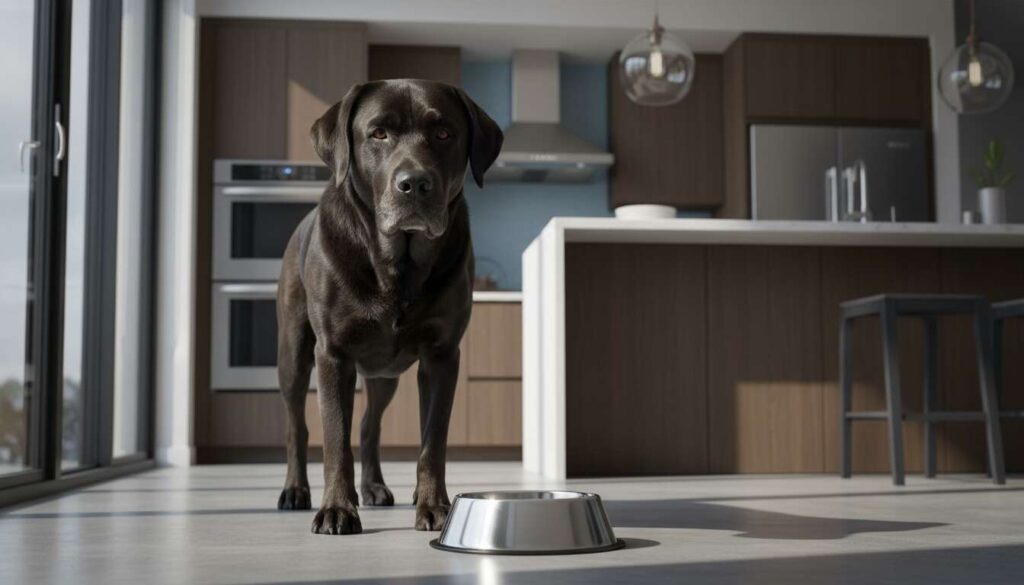
For years, many dog owners have invested in raised feeding bowls, believing they were making mealtimes more comfortable for their beloved pets. The logic seemed sound: elevating food and water reduces strain on necks and joints, particularly for larger breeds. However, recent veterinary research has revealed a troubling connection between raised bowls and a potentially fatal condition called gastric dilatation-volvulus, commonly known as bloat. This discovery has prompted veterinarians across the country to reassess long-standing feeding recommendations, urging owners of large dogs to reconsider their feeding practices before it’s too late.
Understanding the importance of dog bowls
The role of feeding equipment in canine health
Dog bowls serve a far more critical function than simply holding food and water. The design, height and placement of feeding equipment directly influence a dog’s eating behaviour, posture and digestive processes. When dogs consume their meals, the angle at which they lower their heads affects how quickly they eat, how much air they swallow and how efficiently food travels through their digestive system. These factors become increasingly significant in larger breeds, where anatomical differences make them more susceptible to digestive complications.
Common bowl types and their intended purposes
The market offers numerous feeding bowl options, each designed with specific benefits in mind:
- Standard floor-level bowls: traditional options that require dogs to lower their heads naturally
- Raised or elevated bowls: positioned on stands to bring food closer to the dog’s mouth
- Slow-feeder bowls: featuring obstacles that force dogs to eat more gradually
- Tilted bowls: angled designs intended to improve accessibility
Each type was developed to address perceived challenges in canine feeding, though not all have proven beneficial for every breed or size. The popularity of raised bowls, in particular, stemmed from assumptions about comfort and joint health that recent evidence has called into question.
Understanding these fundamentals sets the stage for examining why certain bowl types may actually pose unexpected dangers to specific dogs.
The risks of raised bowls for large dogs
Gastric dilatation-volvulus explained
Gastric dilatation-volvulus, or bloat, occurs when a dog’s stomach fills with gas and subsequently twists on itself. This rotation cuts off blood supply to the stomach and prevents gas from escaping, creating a life-threatening emergency. Without immediate surgical intervention, bloat proves fatal in a matter of hours. Large, deep-chested breeds such as Great Danes, German Shepherds, Standard Poodles and Weimaraners face the highest risk, with mortality rates reaching 30% even with treatment.
The connection between raised bowls and bloat
A landmark study conducted by researchers at Purdue University examined risk factors for bloat across multiple breeds. The findings were striking: dogs fed from raised bowls showed a 110% increased risk of developing gastric dilatation-volvulus compared to those eating from floor-level bowls. The elevated position appears to facilitate faster eating and greater air intake during meals, both of which contribute to gastric distension.
| Bowl Type | Bloat Risk Increase | Primary Concern |
|---|---|---|
| Raised bowls | 110% | Increased air swallowing |
| Floor-level bowls | Baseline | Natural eating posture |
| Slow-feeder bowls | Reduced risk | Controlled eating speed |
Why the elevated position proves problematic
When dogs eat from raised bowls, their oesophagus aligns more horizontally, potentially allowing air to enter the stomach more readily. Additionally, the convenience of elevated feeding may encourage rapid consumption, as dogs don’t need to work as hard to access their food. This combination of factors creates ideal conditions for gastric distension, particularly when coupled with other risk factors such as eating large meals, exercising immediately after eating or having a nervous temperament.
These concerning findings have prompted veterinarians to revise their guidance on feeding practices for at-risk breeds.
Vets’ recommendations
Current guidelines for large breed feeding
Veterinary professionals now advise owners of large, deep-chested dogs to avoid raised feeding bowls entirely. Instead, they recommend floor-level bowls that encourage a more natural eating posture. This position may seem less comfortable from a human perspective, but it aligns with how dogs have evolved to consume food and reduces the likelihood of excessive air intake.
Additional preventative measures
Beyond bowl selection, veterinarians emphasise a comprehensive approach to bloat prevention:
- Feed multiple smaller meals throughout the day rather than one large portion
- Restrict exercise for at least one hour before and after meals
- Use slow-feeder bowls to discourage rapid consumption
- Avoid stress during mealtimes by feeding dogs separately if necessary
- Monitor water intake immediately after eating, limiting large amounts
When to seek immediate veterinary attention
Recognising bloat symptoms can save a dog’s life. Owners should seek emergency care if their dog exhibits unproductive retching, excessive drooling, restlessness, abdominal distension or signs of pain. Time is critical, as the condition progresses rapidly once the stomach begins to twist.
Implementing these veterinary recommendations requires considering practical alternatives that balance safety with convenience.
Alternatives for safely feeding large dogs
Slow-feeder bowl designs
Slow-feeder bowls incorporate raised ridges, mazes or other obstacles within the bowl itself, forcing dogs to eat around these barriers. This design significantly reduces eating speed without elevating the bowl’s position. Studies indicate that slowing consumption decreases air intake and gives the stomach time to process food gradually, reducing bloat risk whilst maintaining the natural feeding posture.
Puzzle feeders and interactive options
For dogs who eat too quickly, puzzle feeders offer an engaging alternative. These devices require dogs to manipulate parts of the feeder to access small portions of food, turning mealtime into a mental exercise. Beyond bloat prevention, puzzle feeders provide cognitive stimulation and can help reduce anxiety-related behaviours in energetic breeds.
Portion control strategies
Dividing daily food allowances into three or four smaller meals substantially reduces bloat risk. This approach prevents the stomach from becoming overly distended at any single feeding. Many owners find that scheduled feeding times also help with house training and create predictable routines that reduce stress for both dog and owner.
| Feeding Strategy | Bloat Prevention Benefit | Implementation Difficulty |
|---|---|---|
| Multiple small meals | High | Moderate |
| Slow-feeder bowls | Moderate to high | Low |
| Puzzle feeders | Moderate | Low to moderate |
| Floor-level bowls | High | Very low |
Whilst proper feeding practices reduce bloat risk, they also play a broader role in maintaining overall canine health.
Consequences of poor diet in large dogs
Nutritional deficiencies and their impact
Large breed dogs require carefully balanced nutrition to support their substantial frame and energy needs. Inadequate protein, calcium or essential fatty acids can lead to muscle wasting, weakened bones and compromised immune function. Conversely, excessive nutrients, particularly calcium in growing puppies, can cause developmental orthopaedic diseases that result in lifelong mobility issues.
Obesity and joint problems
Overfeeding poses significant risks for large breeds, whose joints already bear considerable weight. Excess body mass accelerates the development of osteoarthritis, hip dysplasia and cruciate ligament injuries. Maintaining an appropriate body condition through controlled portions and quality nutrition extends both lifespan and quality of life, reducing the need for costly medical interventions later.
Digestive disorders beyond bloat
Poor feeding practices contribute to numerous digestive issues including chronic diarrhoea, food sensitivities and inflammatory bowel disease. Rapid food changes, low-quality ingredients and irregular feeding schedules disrupt the delicate balance of gut bacteria, leading to discomfort and malnutrition. Establishing consistent, appropriate feeding routines helps maintain digestive health and prevents secondary complications.
Real-world experiences from dog owners and veterinary professionals illustrate the practical implications of these feeding considerations.
Testimonials from dog owners and experts
Experiences from the veterinary community
Dr Sarah Mitchell, a veterinary surgeon specialising in emergency care, recounts numerous cases where raised bowls preceded bloat episodes. “We see it repeatedly,” she explains. “Owners invest in expensive elevated feeders thinking they’re helping, then we’re performing emergency surgery hours later. The evidence is clear, yet the myth persists that raised bowls benefit large dogs.”
Stories from affected dog owners
James Peterson, owner of a Great Dane named Apollo, shares his harrowing experience: “We’d used a raised bowl for two years without incident. Then one evening, Apollo became restless after dinner. Within an hour, he was in critical condition. The emergency vet told us the elevated bowl likely contributed. We were devastated—we thought we were protecting him from joint strain.” Apollo survived the surgery, but James now advocates for floor-level feeding among fellow large breed owners.
Professional insights on changing practices
Veterinary nutritionist Dr Emily Thornton notes a shift in recommendations: “Ten years ago, we routinely suggested raised bowls for large breeds. Current research has completely reversed that guidance. It’s a reminder that veterinary medicine evolves, and we must update our practices based on evidence rather than assumption. The welfare of our patients depends on it.”
These accounts underscore the real-world impact of feeding choices and the importance of staying informed about current veterinary recommendations.
The revelation that raised bowls increase bloat risk in large dogs has fundamentally altered feeding recommendations for at-risk breeds. Veterinary evidence clearly demonstrates that floor-level bowls, combined with portion control and slow-feeding strategies, offer the safest approach to mealtimes. Whilst raised bowls may appear more comfortable, the substantial increase in life-threatening complications far outweighs any perceived benefits. Dog owners must prioritise evidence-based practices over convenience or aesthetics, recognising that proper nutrition extends beyond food quality to encompass how that food is presented. By implementing veterinary-recommended feeding protocols, owners can significantly reduce their large dog’s risk of bloat whilst supporting overall digestive health and wellbeing.