


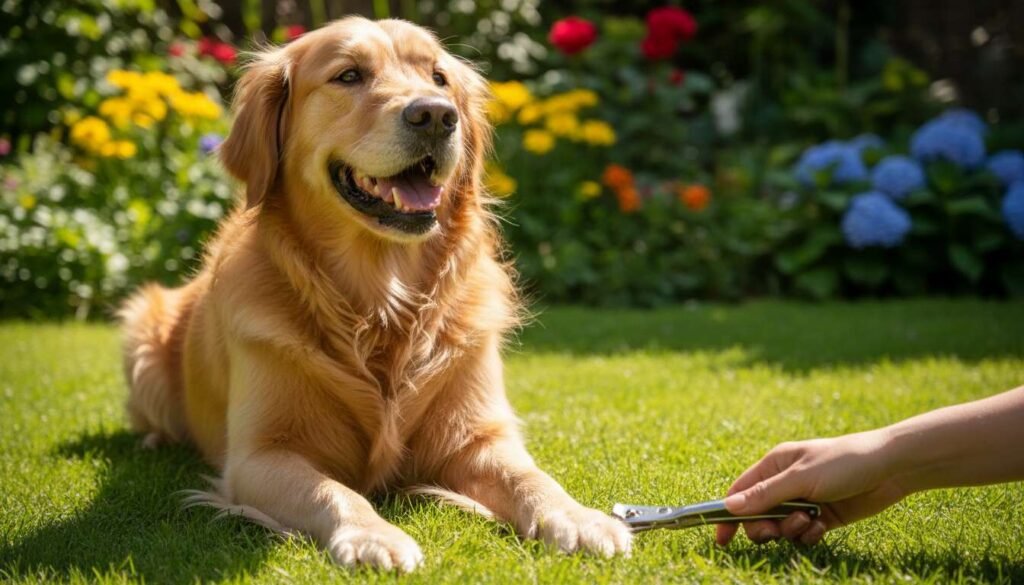
Keeping your dog’s nails at an appropriate length is a crucial aspect of canine care that many owners overlook until problems arise. Regular nail maintenance not only ensures your pet’s comfort but also prevents potential health complications that can affect their mobility and overall wellbeing. Understanding the right timing and recognising the signs that indicate when your dog needs a trim can help you establish a proper grooming routine that keeps your furry companion happy and healthy.
When to trim your dog’s nails ?
General frequency guidelines
The frequency of nail trimming varies considerably depending on several factors unique to each dog. Most dogs require nail trimming every three to four weeks, though this timeline can shift based on breed, activity level, and the surfaces they regularly walk on. Dogs that spend considerable time on concrete or tarmac naturally wear down their nails through friction, potentially extending the time between trims. Conversely, indoor dogs or those primarily walking on soft surfaces like grass may need more frequent attention.
Factors influencing trimming schedules
Several variables determine how often your dog needs their nails trimmed:
- Age: puppies and younger dogs typically have faster nail growth than senior dogs
- Breed and size: larger breeds often have thicker, slower-growing nails compared to smaller breeds
- Activity level: highly active dogs naturally file down their nails through regular exercise
- Diet and health: nutritional status can affect nail growth rates
- Surface exposure: dogs walking predominantly on hard surfaces require less frequent trimming
Establishing a consistent routine helps you monitor changes in nail growth patterns and adjust your schedule accordingly. Rather than adhering to a rigid timetable, learning to recognise the physical signs becomes more valuable for maintaining optimal nail length.
How to know if your dog’s nails are too long ?
The standing test
One of the most reliable methods for assessing nail length involves observing your dog while they stand naturally on a flat surface. When nails are at the correct length, they should not touch the ground when your dog is standing. If you can hear clicking sounds as your dog walks across hard flooring, this indicates the nails have grown too long and require immediate attention. The nails should sit just above the floor, allowing your dog’s paw pads to make primary contact with the ground.
Visual inspection techniques
Examining your dog’s paws from different angles provides valuable information about nail condition:
| Viewing angle | What to look for | Ideal appearance |
|---|---|---|
| Side view | Nail extension beyond pad | Nail ends level with or slightly above pad |
| Front view | Nail curvature | Slight natural curve without excessive hooking |
| Underneath | Pad contact with ground | Full pad contact without nail interference |
Paw positioning indicators
Proper nail length allows dogs to maintain natural paw positioning with toes pointing straight ahead. Overgrown nails force the toes to splay outward or cause the paw to rest at unnatural angles. When you gently press on your dog’s paw pad, the nails should not push back against the pad or cause visible discomfort. These physical assessments complement auditory cues to provide a comprehensive picture of nail health.
Signs indicating your dog needs a nail trim
Behavioural changes
Dogs experiencing discomfort from overgrown nails often exhibit subtle behavioural modifications that attentive owners can detect. Reluctance to walk on hard surfaces, frequent paw licking, or altered gait patterns all suggest nail-related discomfort. Some dogs may begin favouring certain paws or showing hesitation when climbing stairs, indicating that their nails are interfering with normal movement and causing pain.
Physical symptoms
Beyond behavioural indicators, several physical signs warrant immediate attention:
- Nails curving back towards the paw pad
- Visible splits or cracks in the nail structure
- Redness or swelling around the nail bed
- Nails growing into the pad tissue
- Uneven wear patterns across different nails
- Dewclaws that have formed complete circles
Auditory and postural clues
The distinctive clicking sound produced when nails contact hard flooring serves as perhaps the most obvious indicator that trimming is overdue. Additionally, observe your dog’s standing posture carefully. Dogs with excessively long nails often shift their weight backwards onto their rear paws to relieve pressure on their front feet, creating an abnormal stance that can lead to musculoskeletal issues over time. These observable signs provide clear guidance for timing your next grooming session.
The consequences of neglecting a dog’s nails
Immediate physical discomfort
Overgrown nails create immediate problems that affect your dog’s daily comfort. As nails extend beyond their optimal length, they alter the natural angle of the toes and paws, forcing dogs to walk on the backs of their paw pads rather than distributing weight evenly. This unnatural positioning causes pain with every step and can make simple activities like walking or running genuinely uncomfortable for your pet.
Long-term structural damage
Chronic nail neglect leads to serious orthopaedic complications that extend far beyond the paws themselves. The altered weight distribution caused by overgrown nails affects the entire skeletal structure:
- Joint problems: abnormal pressure on joints accelerates arthritis development
- Tendon strain: compensatory movements stress tendons and ligaments
- Spinal misalignment: altered gait patterns affect spinal health
- Muscle atrophy: reduced activity leads to muscle weakness
- Permanent deformity: prolonged pressure can permanently alter bone structure
Risk of injury and infection
Excessively long nails become prone to splitting, tearing, or catching on surfaces, creating painful injuries that require veterinary intervention. Torn nails expose the sensitive quick, causing significant bleeding and creating entry points for bacteria. In severe cases, nails can curl completely around and penetrate the paw pad, resulting in serious infections that may require surgical intervention and antibiotic treatment. Understanding these potential consequences emphasises the importance of maintaining a regular trimming schedule.
Tips for a successful nail trim
Essential equipment and preparation
Gathering the proper tools before beginning ensures a smoother experience for both you and your dog. Quality nail clippers designed specifically for dogs come in two main styles: guillotine-style and scissor-style, with the choice depending on nail size and personal preference. Additional essential items include styptic powder to stop bleeding if you accidentally cut the quick, treats for positive reinforcement, and adequate lighting to see the nail structure clearly. Creating a calm environment away from distractions helps your dog remain relaxed throughout the process.
Proper technique and safety measures
| Step | Action | Key consideration |
|---|---|---|
| 1 | Position your dog comfortably | Ensure stability and relaxation |
| 2 | Hold paw firmly but gently | Maintain control without causing stress |
| 3 | Identify the quick | Avoid cutting into blood supply |
| 4 | Trim at 45-degree angle | Follow natural nail curve |
| 5 | Remove small amounts gradually | Better to trim conservatively |
Building positive associations
Gradual desensitisation and positive reinforcement transform nail trimming from a stressful ordeal into a manageable routine. Begin by simply handling your dog’s paws regularly without trimming, offering treats and praise to create positive associations. Progress to touching the clippers to the nails without cutting, then advance to trimming just one or two nails per session initially. This patient approach, combined with generous rewards, helps anxious dogs overcome their fears and accept nail care as a normal part of their routine.
Consulting a professional for nail trimming
When professional help becomes necessary
Certain situations warrant seeking professional assistance rather than attempting home nail care. Dogs with extremely dark nails where the quick is invisible, those with severe anxiety around paw handling, or pets with pre-existing nail injuries require the expertise of trained groomers or veterinary professionals. Additionally, if you’ve accidentally cut the quick multiple times or feel genuinely uncomfortable performing the task, professional services provide a safer alternative that prevents potential trauma to both you and your dog.
Professional service options
Several professional options exist for nail trimming services:
- Veterinary clinics: offer nail trimming alongside health checks and can address medical concerns
- Professional groomers: provide nail care as part of comprehensive grooming packages
- Mobile grooming services: bring convenience to your doorstep, reducing travel stress
- Pet shops: many offer quick, affordable nail trimming services
Cost and frequency considerations
Professional nail trimming typically costs between £5 and £15 per session, depending on location and service provider. Many veterinary practices include complimentary nail checks during routine appointments, allowing you to monitor nail length without additional expense. For dogs requiring monthly trims, some groomers offer package deals that reduce per-visit costs. Weighing the expense against the peace of mind and reduced risk of injury helps determine whether professional services suit your circumstances and budget.
Maintaining appropriate nail length represents a fundamental aspect of responsible dog ownership that directly impacts your pet’s comfort and long-term health. By learning to recognise the signs of overgrown nails, understanding the potential consequences of neglect, and establishing a consistent trimming routine, you provide your dog with the foundation for pain-free movement and optimal wellbeing. Whether you choose to trim nails at home or rely on professional services, the commitment to regular nail care demonstrates the dedication that strengthens the bond between you and your canine companion.