



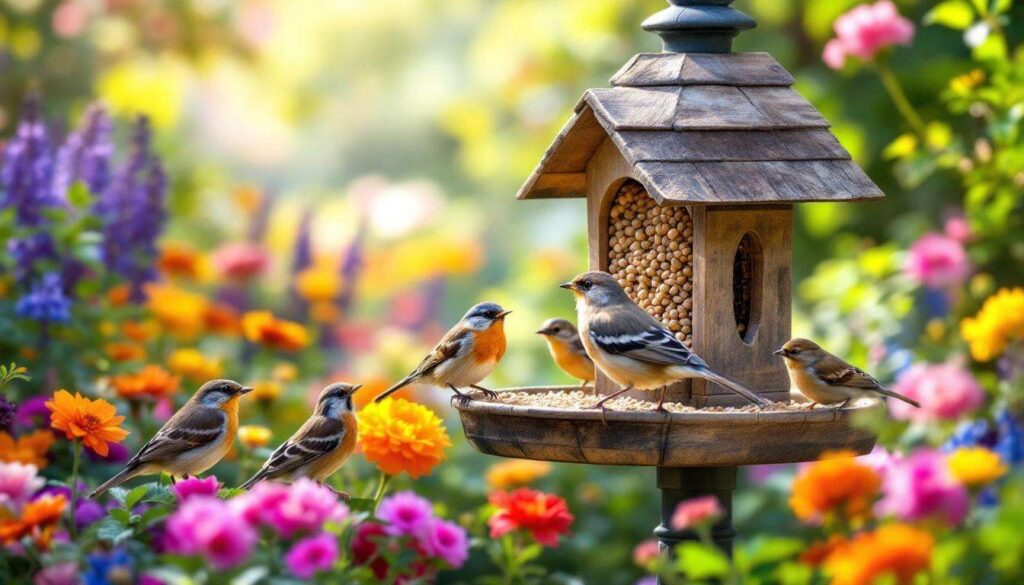
As winter temperatures drop and natural food sources become scarce, gardens across the United Kingdom transform into vital refuges for wild birds. Whilst many well-intentioned bird lovers eagerly set up feeders to support their feathered visitors, a surprising number make critical errors that can inadvertently cause harm rather than help. The upcoming citizen science initiative presents the perfect opportunity to not only observe our garden birds but also to ensure we’re providing them with safe, hygienic feeding stations that genuinely benefit their wellbeing.
Understanding the Big Garden Birdwatch 2026
The nation’s largest garden wildlife survey
The Big Garden Birdwatch represents the world’s largest garden wildlife survey, organised annually by the Royal Society for the Protection of Birds. This remarkable citizen science project invites participants to spend just one hour recording the birds that visit their gardens, balconies or local parks during a designated weekend. The event takes place from 23 to 25 January 2026, providing a snapshot of bird populations across the country during the challenging winter months.
Participation requires no specialist knowledge or expensive equipment. Whether you’re an experienced ornithologist or someone who simply enjoys watching birds at the kitchen window, your observations contribute valuable data. The collective information gathered from hundreds of thousands of participants helps scientists track population trends and identify species in decline.
Why your participation matters
The data collected during this event serves multiple crucial purposes:
- Monitoring long-term population trends for common garden bird species
- Identifying species experiencing rapid decline that may require conservation intervention
- Understanding how environmental changes affect bird distributions
- Informing conservation strategies and policy decisions
- Raising public awareness about garden wildlife
Over the decades, this initiative has revealed concerning declines in once-common species such as house sparrows, starlings and song thrushes, whilst also documenting the increasing presence of species like woodpigeons and goldfinches in urban gardens. These insights would be impossible to gather without the dedication of citizen scientists nationwide.
With preparations underway for the event, understanding how to properly support visiting birds becomes increasingly important, particularly when it comes to providing food safely.
The importance of feeding birds in winter
Survival challenges during cold months
Winter presents significant survival challenges for British birds. Natural food sources such as insects, seeds and berries become scarce precisely when birds require more energy to maintain body temperature. A single cold night can prove fatal for small birds that haven’t consumed sufficient calories during daylight hours.
Supplementary feeding can make the difference between survival and starvation. Garden feeders provide reliable food sources that help birds maintain the energy reserves necessary to endure freezing temperatures and shorter foraging days. Research has demonstrated that well-fed birds have better survival rates and improved breeding success in subsequent seasons.
Benefits beyond survival
Feeding birds offers advantages that extend beyond immediate survival:
- Supports breeding populations by ensuring adults enter spring in good condition
- Helps juvenile birds survive their vulnerable first winter
- Compensates for habitat loss and agricultural intensification
- Enables people to observe and connect with nature
- Provides educational opportunities for children and adults alike
However, these benefits only materialise when feeding is conducted responsibly. Poorly maintained feeders can transform from lifelines into serious health hazards, making it essential to understand potential dangers.
Why your feeder can be dangerous
Disease transmission at feeding stations
Bird feeders create unnatural congregation points where multiple individuals gather in close proximity, facilitating the rapid transmission of diseases. Several serious avian diseases spread primarily at feeding stations, with potentially devastating consequences for local bird populations.
Trichomonosis, caused by a parasitic organism, has caused significant mortality in greenfinches and chaffinches across the United Kingdom. Infected birds develop lesions in their throats, making swallowing difficult and often leading to starvation. The parasite spreads through contaminated food and water, thriving in the moist conditions found in dirty feeders and bird baths.
Common health risks
| Disease | Primary species affected | Transmission method |
|---|---|---|
| Trichomonosis | Greenfinches, chaffinches | Contaminated food and water |
| Salmonellosis | House sparrows, finches | Faecal contamination |
| Avian pox | Various species | Direct contact, contaminated surfaces |
| Aspergillosis | Multiple species | Mouldy food, particularly peanuts |
Beyond disease, feeders can pose physical dangers including collisions with windows, increased predation risk from cats, and entanglement in poorly designed feeding apparatus. Understanding these risks highlights why proper feeder management is crucial rather than optional.
Common mistake: the wrong feeder setup
Location errors that endanger birds
The placement of feeders significantly impacts bird safety. Positioning feeders too close to windows results in collision injuries and fatalities as birds flee from perceived threats or fail to recognise glass barriers. Conversely, feeders placed in completely open areas without nearby cover leave birds vulnerable to predators such as sparrowhawks and domestic cats.
Ideal feeder placement requires careful consideration:
- Position feeders at least two metres from windows to reduce collision risk
- Ensure nearby shrubs or trees provide escape cover within a few metres
- Avoid placing feeders near dense ground cover where cats can hide
- Keep feeders away from areas with heavy foot traffic
- Ensure good visibility from your observation point
Inappropriate feeder types and food
Many people inadvertently use unsuitable feeder designs or offer inappropriate food types. Mesh peanut feeders with large holes can trap birds’ feet or beaks, whilst feeders without drainage holes allow water accumulation, promoting bacterial growth and food spoilage.
Common food-related mistakes include offering bread, which provides minimal nutrition and can cause malnutrition, or using salted peanuts that are toxic to birds. Mouldy food, particularly peanuts affected by aflatoxins, can prove fatal. Fat products containing high salt levels or cooking residues also pose serious health risks.
Recognising these setup errors naturally leads to understanding how disease prevention requires proactive hygiene measures.
Preventing the spread of diseases among birds
Essential cleaning protocols
Regular, thorough cleaning represents the single most important disease prevention measure. Feeders should be cleaned at minimum fortnightly, though weekly cleaning is preferable during periods of heavy use. The process requires dismantling feeders completely and scrubbing all surfaces with hot water and mild disinfectant.
Effective cleaning procedure:
- Empty all remaining food and dispose of it safely
- Dismantle the feeder completely
- Scrub all components with hot water and washing-up liquid
- Rinse thoroughly with diluted disinfectant solution
- Rinse again with clean water to remove all disinfectant residue
- Allow to dry completely before refilling
- Clean the ground beneath feeders to remove accumulated droppings and waste food
Recognising and responding to disease outbreaks
Vigilance for signs of disease enables rapid response that can limit transmission. Birds showing symptoms such as fluffed-up plumage, lethargy, difficulty swallowing or breathing may be infected. Dead birds found near feeders warrant particular attention.
If disease is suspected, immediate action is required. Remove all feeders and bird baths, clean them thoroughly, and cease feeding for at least two weeks to disperse the congregation and break the transmission cycle. Report incidents to relevant wildlife health monitoring schemes to contribute to disease surveillance efforts.
Beyond hygiene, implementing best practices for feeding ensures birds receive maximum benefit with minimum risk.
Tips for safe and effective feeding
Selecting quality food and appropriate feeders
Investment in high-quality bird food pays dividends in bird health and visitor diversity. Premium seed mixes without cheap fillers attract a wider range of species and reduce waste. Different feeder types cater to different species:
| Feeder type | Suitable food | Target species |
|---|---|---|
| Seed feeders | Sunflower hearts, mixed seeds | Finches, tits, sparrows |
| Peanut feeders | Unsalted peanuts | Tits, woodpeckers, nuthatches |
| Fat ball holders | Suet products | Tits, starlings, woodpeckers |
| Ground feeders | Mixed seeds, mealworms | Robins, blackbirds, dunnocks |
| Mesh feeders | Niger seeds | Goldfinches, siskins |
Maintaining feeding stations year-round
Whilst winter feeding receives most attention, year-round provision offers significant benefits. Spring and summer feeding supports adults during energy-intensive breeding periods, though food types should be adjusted to avoid feeding inappropriate items to nestlings.
Essential year-round practices include:
- Providing fresh water daily for drinking and bathing
- Rotating feeder locations periodically to prevent ground contamination
- Storing food in sealed, rodent-proof containers
- Offering variety to cater to different dietary requirements
- Monitoring consumption patterns and adjusting quantities accordingly
- Keeping detailed records of species observed to contribute to citizen science
By implementing these practices, garden bird feeding becomes a genuinely beneficial activity that supports bird populations whilst providing endless enjoyment and valuable scientific data.
The upcoming Big Garden Birdwatch offers the perfect catalyst to reassess and improve garden feeding practices. By avoiding common feeder mistakes, maintaining rigorous hygiene standards and providing appropriate food in well-designed feeders, participants can ensure their gardens serve as genuine sanctuaries rather than inadvertent hazards. The simple act of cleaning feeders regularly, positioning them thoughtfully and offering quality food transforms casual bird feeding into meaningful conservation action. As hundreds of thousands of people prepare to count their garden visitors, implementing these safe feeding practices ensures that the birds we cherish receive the support they truly need to thrive through winter and beyond.