



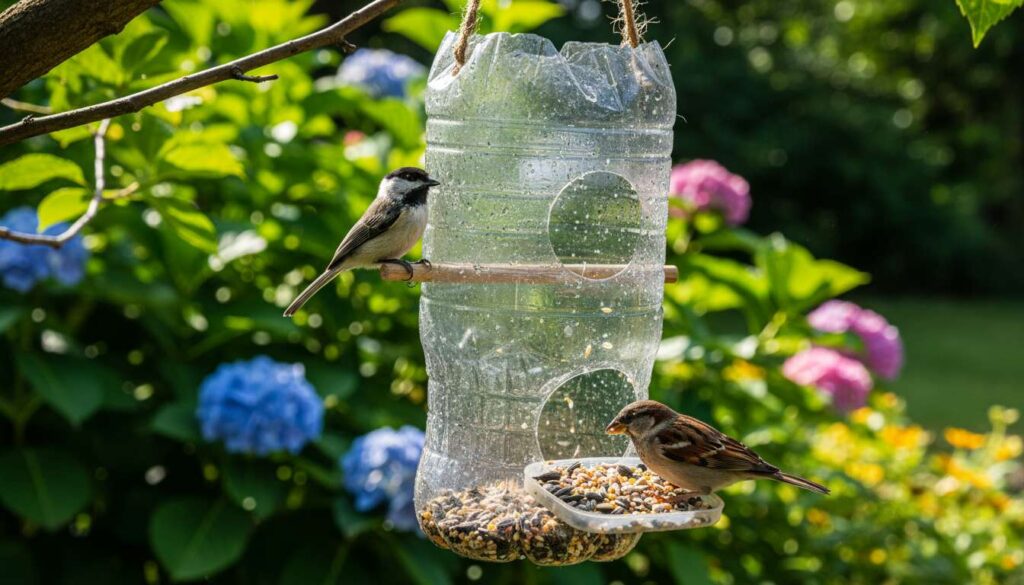
Birds bring life and colour to any garden, and supporting them through the colder months requires little more than a discarded plastic bottle and a few minutes of effort. This simple recycling project transforms waste into a functional feeding station, offering nourishment to local wildlife whilst reducing environmental impact. The process demands no specialist skills, making it accessible to families, schools and anyone keen to contribute positively to their immediate ecosystem.
The art of recycling a bottle into a bird feeder
Understanding the environmental value
Plastic bottles represent one of the most common forms of household waste, with millions discarded daily across the country. Rather than adding to landfill volumes, repurposing these containers into bird feeders extends their useful life whilst addressing two concerns simultaneously: waste reduction and wildlife support. The concept embodies practical sustainability, demonstrating how everyday items can serve new purposes with minimal intervention.
This approach aligns with broader circular economy principles, encouraging individuals to view waste materials as resources. A standard water or soft drink bottle possesses the ideal characteristics for conversion: durability, weather resistance and transparency that allows monitoring of seed levels. The transformation requires no purchase of new materials, making it a genuinely zero-cost solution for environmentally conscious households.
The versatility of bottle designs
Different bottle types offer varying advantages for feeder construction. Larger two-litre bottles accommodate more seed and attract multiple birds, whilst smaller containers suit compact gardens or balconies. The choice depends on available space and the bird species frequenting your area.
- Standard water bottles work well for small songbirds
- Milk containers provide sturdier construction for exposed locations
- Squash bottles with wider bases offer greater stability in windy conditions
- Clear bottles allow easy visual checks of remaining food supplies
Each design modification serves specific purposes, and understanding these options ensures the finished feeder meets both practical requirements and aesthetic preferences. The flexibility inherent in this project means experimentation carries no financial risk, encouraging creative problem-solving.
The materials needed to create your feeder
Essential components for construction
Gathering the necessary items takes mere moments, as most households already possess everything required. The primary material is naturally the plastic bottle itself, thoroughly cleaned and dried to prevent contamination of the bird seed. Beyond this central component, only basic tools and supplies complete the assembly.
| Item | Purpose | Alternative options |
|---|---|---|
| Plastic bottle | Main structure | Any size from 500ml to 2 litres |
| Sharp scissors or craft knife | Cutting access holes | Heated metal tool for smoother edges |
| String or garden twine | Hanging mechanism | Wire, ribbon or old shoelaces |
| Wooden dowel or stick | Perching platform | Pencil, chopstick or twig |
| Bird seed mix | Attracting birds | Sunflower seeds, peanuts or mealworms |
Optional enhancements
Whilst not strictly necessary, certain additions improve functionality and longevity. Waterproof tape reinforces cut edges, preventing sharp plastic from injuring birds. Small washers or bottle caps can create rain shields above feeding ports, keeping seed dry during inclement weather. These refinements demonstrate thoughtful design without complicating the basic concept.
For those wishing to involve children or add decorative elements, non-toxic paints and markers allow personalisation. However, ensure any embellishments remain on exterior surfaces away from food contact areas, maintaining hygiene standards essential for bird health.
Simple steps to transform a plastic bottle
Preparing the bottle structure
Begin by removing all labels and adhesive residue from the bottle, washing thoroughly with warm soapy water. This cleaning process eliminates contaminants that might spoil the seed or deter birds. Once dried completely, mark the positions for access holes using a permanent marker, typically placing openings approximately one-third up from the base.
Cut circular or rectangular openings large enough for birds to reach inside comfortably—roughly four centimetres in diameter proves suitable for most common garden species. Smooth any rough edges carefully with sandpaper or tape to prevent injury. If creating multiple feeding ports, space them evenly around the bottle’s circumference to accommodate several birds simultaneously without overcrowding.
Installing perches and hanging systems
Pierce small holes directly below each feeding opening to insert perching sticks. These should protrude approximately eight centimetres, providing adequate landing space. Secure them firmly, as loose perches create instability that frightens visiting birds. The perch material should be natural wood where possible, offering better grip than smooth plastic alternatives.
For the suspension system, pierce two holes near the bottle’s neck and thread strong twine through, creating a loop for hanging. Alternatively, wrap wire around the neck section multiple times, twisting securely. Test the hanging mechanism’s strength before filling with seed, ensuring it supports the feeder’s full weight reliably.
Adding drainage and filling
Poke several tiny drainage holes in the bottle’s base using a heated needle or small drill bit. These prevent water accumulation that would otherwise cause seed to rot, creating health hazards for birds. The holes should be small enough to retain seed whilst allowing moisture to escape freely.
Fill the prepared bottle with appropriate seed mix, avoiding overfilling initially until you gauge consumption rates. Replace the cap to prevent spillage during positioning, and your feeder stands ready for deployment.
Tips to attract birds to your garden
Selecting appropriate food types
Different bird species exhibit distinct dietary preferences, and offering varied food types increases visitor diversity. Black sunflower seeds appeal to the widest range of species, whilst niger seeds specifically attract finches. Peanuts draw tits and woodpeckers, though these require mesh feeders rather than bottle designs for safety reasons.
- Sunflower hearts provide high energy content without shells
- Mixed seed blends cater to multiple species simultaneously
- Mealworms supplement protein requirements, especially during breeding season
- Avoid bread, which offers minimal nutritional value and causes digestive issues
Creating a welcoming environment
Birds require more than food alone to frequent a garden regularly. Providing fresh water sources for drinking and bathing proves equally important, particularly during freezing conditions when natural supplies become inaccessible. Position shallow dishes near feeders, refreshing water daily to prevent ice formation or stagnation.
Natural cover encourages birds to visit feeding stations, as dense shrubs and trees offer refuge from predators. Avoid placing feeders in completely open areas where birds feel exposed and vulnerable. Instead, position them near but not directly within vegetation, allowing clear flight paths whilst maintaining nearby shelter.
The ecological benefits of a recycled plastic feeder
Supporting biodiversity through feeding programmes
Garden feeding stations contribute significantly to urban and suburban bird populations, particularly during winter months when natural food sources diminish. Research indicates that supplementary feeding helps maintain healthy populations of common species, offsetting habitat loss and agricultural intensification effects. Your simple bottle feeder becomes part of a nationwide network supporting avian welfare.
Beyond immediate nutritional benefits, consistent feeding encourages birds to establish territories in residential areas, increasing opportunities for observation and fostering connections between people and nature. This engagement often translates into broader environmental awareness and conservation support.
Reducing plastic waste impact
Each repurposed bottle represents one fewer item entering waste streams. Whilst individual actions seem modest, collective participation creates substantial environmental benefits. The project demonstrates practical sustainability accessible to everyone, regardless of resources or expertise.
| Environmental aspect | Impact of repurposing |
|---|---|
| Landfill reduction | One bottle diverted per feeder created |
| Resource conservation | Eliminates need for manufactured feeders |
| Carbon footprint | No transportation or production emissions |
| Educational value | Demonstrates circular economy principles |
Placement advice for maximum efficiency
Optimal positioning strategies
Feeder location dramatically influences usage rates and bird safety. Position feeders at least two metres above ground level to deter cats and other predators, whilst ensuring they remain visible from windows for enjoyable observation. Avoid placing them too close to glass surfaces, as reflections cause collision injuries—maintain minimum distances of three metres from large windows.
Southern or eastern aspects receive morning sunlight that helps dry feeders after rain, reducing mould growth. However, ensure some shade exists during peak summer months to prevent seed spoilage from excessive heat. Sheltered locations protected from prevailing winds maintain feeder stability and make visiting more comfortable for birds.
Maintenance and hygiene considerations
Regular cleaning prevents disease transmission between visiting birds. Empty and wash feeders fortnightly using mild disinfectant solution, rinsing thoroughly before refilling. Inspect for damage periodically, replacing bottles showing cracks or deterioration that might harbour bacteria or injure birds.
Remove spillage beneath feeders promptly, as accumulated seed attracts rodents and creates unsightly mess. Consider placing trays underneath to catch fallen food, which can be disposed of or offered to ground-feeding species separately. This maintenance routine ensures your feeder remains a healthy resource rather than becoming a disease vector.
The transformation of a discarded plastic bottle into a functional bird feeder exemplifies how small actions generate meaningful environmental and ecological benefits. This ten-minute project requires minimal resources yet delivers substantial rewards: reduced waste, supported wildlife populations and enhanced garden biodiversity. By selecting appropriate materials, following straightforward construction steps and positioning feeders thoughtfully, anyone can contribute to local conservation efforts whilst enjoying closer connections with nature. Regular maintenance ensures these simple structures continue serving their purpose effectively, making them sustainable solutions for conscientious households committed to practical environmental stewardship.