



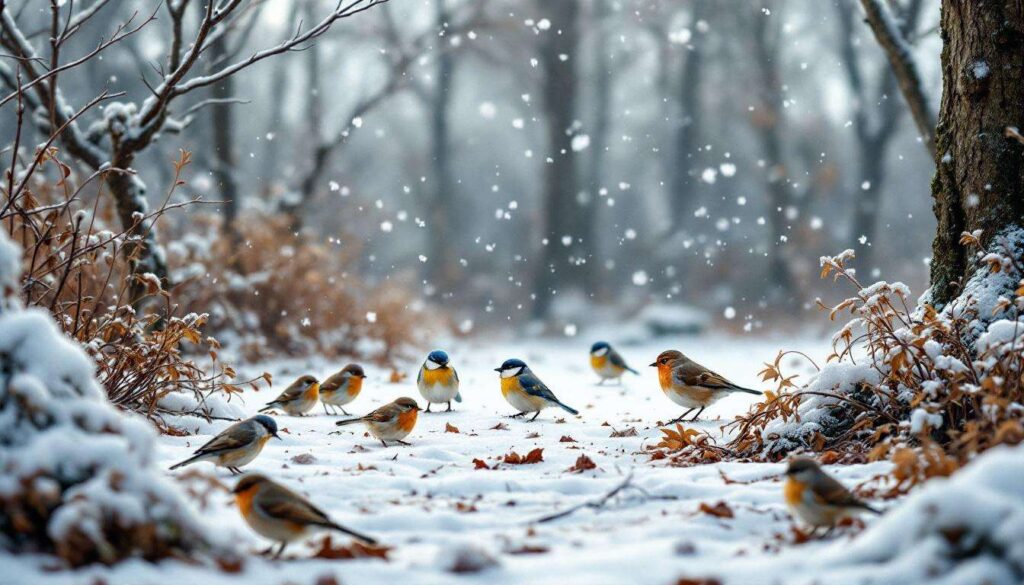
Across Britain’s gardens and countryside, a silent crisis unfolds each winter as temperatures drop and natural food sources dwindle. The period between January and February represents a critical survival challenge for our feathered neighbours, when berries have been stripped from hedgerows and insects have vanished beneath frozen ground. This seasonal food scarcity, known amongst conservationists as the “hungry gap”, threatens millions of birds at their most vulnerable moment. With UK bird populations declining by 18% since 1970 and farmland species experiencing a devastating 60% reduction, the stakes have never been higher. Understanding this phenomenon and taking appropriate action can mean the difference between life and death for countless garden birds struggling through the harshest months.
The threat of the winter “hungry gap”
Understanding the seasonal food crisis
The hungry gap represents a critical bottleneck in the annual survival cycle of British birds. This phenomenon occurs when winter weather conditions combine with depleted natural food reserves to create a perfect storm of scarcity. Unlike autumn, when hedgerows still offer lingering berries and seeds remain accessible, the depths of winter present a barren landscape where every calorie becomes precious.
Several factors converge to create this dangerous period:
- Frozen ground prevents access to soil-dwelling invertebrates and insects
- Berry crops from autumn have been exhausted by December
- Seed heads become buried under snow or blown away by winter storms
- Reduced daylight hours limit foraging time to just a few hours daily
- Energy expenditure increases dramatically as birds struggle to maintain body temperature
The physiological impact on bird populations
During these harsh weeks, birds face an unforgiving metabolic challenge. Small species like blue tits can lose up to 10% of their body weight overnight and must replenish these reserves each day simply to survive. The situation becomes particularly dire when consecutive nights of sub-zero temperatures are followed by days of persistent rain or snow, making foraging nearly impossible.
This biological stress explains why mortality rates spike dramatically during late winter, particularly affecting juvenile birds experiencing their first hungry gap. These challenging conditions set the stage for understanding why human intervention has become increasingly vital.
Why garden birds are at risk
Alarming population decline statistics
The numbers paint a sobering picture of Britain’s declining avian biodiversity. The tree sparrow, once a common sight across farmland and gardens, exemplifies the crisis facing numerous species. This decline reflects broader environmental pressures that have fundamentally altered the landscape birds depend upon.
| Bird Category | Population Change Since 1970 | Primary Threats |
|---|---|---|
| All UK species | -18% | Habitat loss, climate change |
| Farmland birds | -60% | Intensive agriculture, pesticides |
| Tree sparrow | Severe decline | Loss of nesting sites, food scarcity |
Habitat loss and modern challenges
The root causes of vulnerability extend beyond seasonal food shortages. Decades of habitat fragmentation have stripped away the natural safety nets that once sustained bird populations through difficult periods. Hedgerows have been removed to maximise agricultural efficiency, ancient woodlands have shrunk, and urban development has replaced wildlife-rich spaces with sterile environments.
Modern farming practices, whilst necessary for food production, have inadvertently reduced the availability of wild seeds and invertebrates. Pesticide use, though regulated, diminishes insect populations that form crucial protein sources during breeding season. These cumulative pressures mean birds enter the hungry gap already weakened, making supplementary feeding not merely helpful but essential for population survival.
Given these mounting challenges, understanding how to effectively support birds becomes paramount for anyone with access to outdoor space.
How to feed birds during winter
Selecting appropriate food types
Providing the right nutrition requires understanding avian dietary needs during cold weather. High-energy foods rich in fats and proteins offer the best support, helping birds maintain body temperature and build overnight reserves. Sunflower seeds remain exceptionally popular, offering oil-rich kernels that appeal to numerous species from finches to nuthatches.
Effective winter feeding options include:
- Black sunflower seeds for their high oil content and thin shells
- Millet and safflower to attract smaller finch species
- Fat balls and suet cakes providing concentrated calorie sources
- Mealworms offering essential protein for insectivorous species
- Cooked potatoes and rice as supplementary carbohydrate sources
- Hard fats like lard mixed with seeds for homemade feeders
Feeder types and placement strategies
Matching feeder design to bird species maximises effectiveness whilst minimising waste. Tube feeders with small perches suit agile species like blue tits and coal tits, whilst hopper feeders accommodate larger birds including woodpigeons and collared doves. Ground feeding stations attract blackbirds, dunnocks and robins that naturally forage at soil level.
Strategic placement matters considerably. Position feeders near cover such as shrubs or hedges, allowing birds quick escape routes from predators whilst maintaining clear sightlines to spot approaching threats. Ensure feeders remain at least two metres from windows to prevent collision injuries.
Maintaining consistency and hygiene
Organisations including the RSPB and Wildlife Trusts emphasise that regular, consistent feeding proves more beneficial than sporadic efforts. Birds quickly learn reliable food sources and incorporate them into daily routines. Establishing feeding patterns helps them conserve precious energy otherwise spent searching unpredictably for sustenance.
Hygiene cannot be overlooked. Clean feeders weekly using mild disinfectant solutions, removing old food that might harbour harmful bacteria or fungi. Rotate feeding locations periodically to prevent waste accumulation beneath feeders, which can attract rats and spread disease amongst visiting birds.
Beyond providing supplementary food, creating year-round habitat improvements offers longer-term benefits for struggling populations.
Plants and hedgerows to support wildlife
Native species for natural food sources
Thoughtful planting transforms gardens into self-sustaining ecosystems that support birds throughout seasons. Native berry-producing shrubs such as hawthorn, rowan and holly provide autumn and early winter food supplies, whilst their dense structure offers nesting sites and shelter from harsh weather.
Consider incorporating these wildlife-friendly plants:
- Hawthorn for berries and dense protective cover
- Elder producing protein-rich berries and attracting insects
- Ivy offering late-season nectar and winter berries
- Teasel and sunflower seed heads left standing through winter
- Native wildflower meadows supporting invertebrate populations
Creating layered habitats
Effective wildlife gardens feature vertical diversity, from ground-level vegetation through shrub layers to canopy trees. This structural complexity accommodates different species’ preferences whilst maximising available space. Even small gardens benefit from including plants of varying heights, creating microhabitats that support diverse bird communities.
Resist the urge to maintain overly tidy gardens during winter. Leaving seed heads intact, allowing leaf litter to accumulate beneath hedges, and retaining dead wood provide crucial foraging opportunities and invertebrate habitat. These seemingly untidy elements represent vital resources during the hungry gap.
Whilst individual gardens make meaningful contributions, the broader agricultural landscape holds even greater potential for supporting bird populations.
The role of farmers in biodiversity
Agricultural land and bird populations
With farmland comprising 72% of Britain’s land area, agricultural practices exert enormous influence over bird survival. The dramatic 60% decline in farmland bird populations since 1970 directly correlates with intensification of farming methods, demonstrating how land management decisions ripple through entire ecosystems.
Progressive farmers increasingly recognise their stewardship responsibilities, implementing measures that balance productivity with biodiversity. Field margins left unharvested provide seed resources, whilst reduced pesticide applications allow invertebrate populations to recover, benefiting insectivorous species during breeding season.
Collaborative conservation approaches
Emerging agricultural schemes incentivise wildlife-friendly farming practices through financial support for environmental stewardship. These programmes encourage maintaining hedgerows, creating beetle banks, establishing wildflower margins and retaining winter stubble fields that offer foraging opportunities during the hungry gap.
The collective impact of such measures, when adopted across extensive agricultural landscapes, can reverse declining trends. Gardens represent approximately 4.6% of UK land use, making them valuable but insufficient alone. Coordinated efforts spanning both private gardens and working farmland offer the best prospects for meaningful population recovery.
Armed with understanding of these broader contexts, individuals can implement practical measures within their immediate control.
Practical tips to protect your birds
Establishing effective feeding routines
Success requires commitment to daily feeding throughout the hungry gap period. Check feeders each morning, replenishing supplies and removing ice from water sources. Birds rely upon these predictable resources, particularly during severe weather when natural alternatives become completely inaccessible.
Diversify offerings to attract varied species with different dietary preferences. Provide ground feeding for species uncomfortable using hanging feeders, whilst ensuring elevated stations remain stocked for arboreal feeders. This multi-level approach maximises the number of individual birds your garden can support.
Monitoring and adapting your approach
Observe which species visit and adjust provisions accordingly. If insectivorous species like robins and wrens appear frequently, increase mealworm offerings. Should finch flocks arrive, ensure adequate seed supplies prevent competition and stress.
Key actions for immediate implementation:
- Install multiple feeder types at varying heights
- Maintain fresh water sources, breaking ice daily during freezes
- Provide grit to aid digestion, particularly important in winter
- Create brush piles offering shelter from predators and weather
- Record visiting species to track seasonal patterns and population changes
- Coordinate with neighbours to establish feeding networks across multiple gardens
The winter hungry gap represents a critical juncture where human intervention directly influences bird survival rates. With populations already severely depleted by decades of habitat loss and environmental pressures, supplementary feeding during January and February provides essential lifelines for struggling species. Combining immediate feeding efforts with longer-term habitat improvements through thoughtful planting creates resilient ecosystems capable of supporting diverse bird communities. Whilst individual gardens contribute meaningfully, coordinated action across domestic spaces and agricultural landscapes offers the greatest potential for reversing alarming decline trends. Every feeder filled, every native shrub planted, and every patch of wild habitat preserved represents tangible hope for Britain’s beleaguered bird populations as they navigate their most challenging season.