



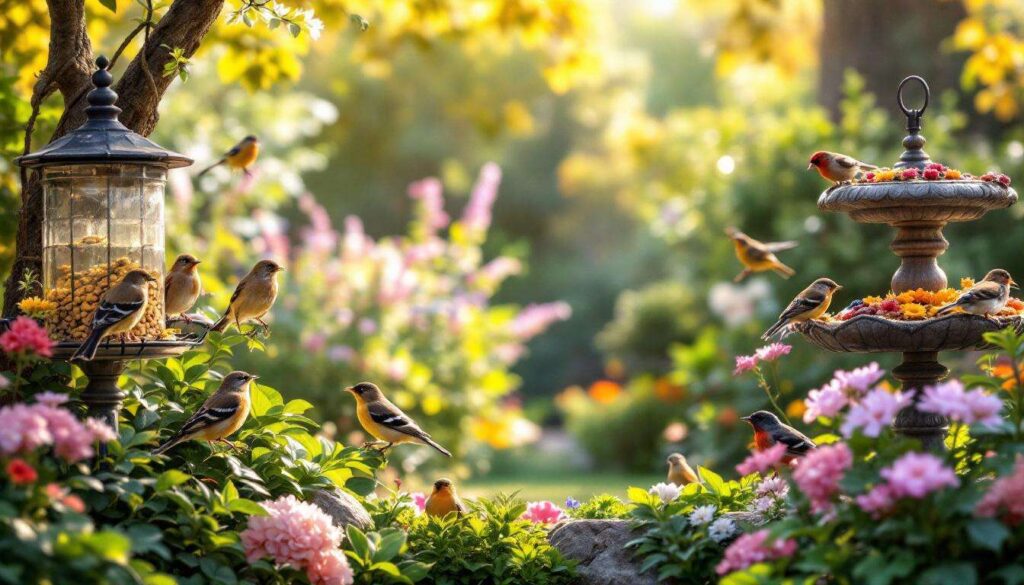
Across the United Kingdom, thousands of nature enthusiasts dedicate their time each winter to observing and recording the birds that visit their gardens. This collective effort forms the backbone of one of the nation’s most significant citizen science projects, providing researchers with invaluable data about the health and distribution of bird populations. The information gathered during these observation periods helps scientists identify trends, monitor species at risk, and develop targeted conservation strategies. As environmental pressures continue to mount, the insights gained from such initiatives become increasingly vital for understanding the challenges facing wildlife.
Introduction to the Big Garden Birdwatch 2026
The Big Garden Birdwatch represents the largest garden wildlife survey in the United Kingdom, organised annually by the RSPB. The event took place over the weekend spanning January 23 to January 25, inviting participants from all corners of the country to spend one hour recording the birds they observed in their gardens or local green spaces.
Scale of participation and engagement
The level of public involvement in this initiative demonstrates a remarkable commitment to wildlife conservation. Recent participation figures highlight the survey’s widespread appeal:
- Over 590,000 individuals took part in the most recent count
- Approximately 9.1 million birds were recorded collectively
- Participants ranged from experienced birdwatchers to families introducing children to nature observation
- Data was collected from urban gardens, rural properties, and public spaces across the nation
The survey’s dual purpose
Beyond providing an enjoyable outdoor activity, the Big Garden Birdwatch serves a critical scientific function. The data collected enables researchers to track population trends, identify species in decline, and understand how environmental factors influence bird distribution. This citizen science approach transforms ordinary garden observations into a powerful tool for conservation planning and policy development.
Understanding the context in which these observations occur requires examining the environmental conditions that influence bird behaviour and distribution patterns.
Impact of the cold snap on bird migration
Weather conditions play a significant role in determining which species appear in gardens during the survey period. Cold snaps, in particular, can dramatically alter bird behaviour and movement patterns across the country.
How temperature affects bird distribution
During periods of severe cold weather, birds face increased challenges in finding food and maintaining body temperature. These conditions often drive species to seek sustenance in gardens, where supplementary feeding stations provide reliable food sources. The concentration of birds in residential areas during cold snaps can lead to higher counts for certain species, whilst simultaneously revealing the vulnerability of populations struggling to cope with harsh conditions.
Migration patterns and seasonal movements
Cold weather influences not only resident species but also affects the arrival and departure of migratory birds. Some key observations include:
- Continental species may arrive earlier or in greater numbers when harsh conditions prevail across Europe
- Native birds may move from upland or rural areas into gardens seeking more accessible food sources
- Partial migrants show varied behaviour, with some individuals remaining whilst others depart based on local conditions
- Extreme weather events can trigger unusual sightings of species rarely observed in garden settings
The accuracy and reliability of the data collected depend heavily on the methods employed and the breadth of participation achieved.
Methodology and participation in the count
The systematic approach adopted by the Big Garden Birdwatch ensures that the data collected maintains scientific rigour whilst remaining accessible to participants of all experience levels.
Recording protocols and guidelines
Participants receive clear instructions designed to standardise observations across thousands of locations. The methodology requires observers to:
- Select a one-hour period during the designated weekend
- Record the maximum number of each species seen at any one time
- Avoid double-counting birds that leave and return
- Submit results through online forms or postal returns
Demographic reach and accessibility
The survey’s design deliberately removes barriers to participation, making it inclusive and representative. People without private gardens can observe from balconies, public parks, or communal spaces. This broad accessibility ensures that data reflects bird populations across diverse habitats and socioeconomic areas.
| Participant Category | Contribution |
|---|---|
| Families with children | Educational engagement and future conservation advocates |
| Experienced birdwatchers | Accurate species identification and detailed observations |
| First-time participants | Extended geographic coverage and fresh perspectives |
| Urban observers | Critical data on species adapting to city environments |
The results emerging from this comprehensive data collection reveal concerning patterns that demand immediate attention from conservationists and policymakers.
Declining bird species: a wake-up call
The long-term data accumulated through decades of garden birdwatching paints a sobering picture of biodiversity loss across the United Kingdom. The trends identified through these surveys provide concrete evidence of ecological challenges affecting multiple species.
Dramatic population decreases
The statistics reveal alarming declines that have accelerated over recent decades. Since the survey’s inception in 1979, house sparrows have experienced a catastrophic 64% reduction in numbers. This once-ubiquitous species, which dominated early counts, now appears far less frequently in gardens across the country. The decline represents not merely a statistical anomaly but a fundamental shift in the ecological balance of urban and suburban environments.
Species under pressure
House sparrows are not alone in facing population challenges. Multiple species show concerning downward trends:
- Starlings have declined significantly from their historical abundance
- Skylarks, once common in agricultural areas, now appear rarely in garden surveys
- Song thrushes continue a long-term decline despite conservation efforts
- Greenfinches suffered major losses following disease outbreaks
The broader ecological context
Over the past 60 years, the UK has lost approximately 38 million birds. This staggering figure reflects multiple interconnected pressures:
| Pressure Factor | Impact on Bird Populations |
|---|---|
| Habitat loss | Reduced nesting sites and foraging areas |
| Agricultural intensification | Decreased insect populations and seed availability |
| Climate change | Altered migration patterns and breeding cycles |
| Disease outbreaks | Rapid population crashes in vulnerable species |
| Predation pressure | Increased mortality from domestic cats and corvids |
These troubling findings underscore why continued monitoring through initiatives like the Big Garden Birdwatch remains essential for conservation efforts.
Why each count is crucial for biodiversity
Every observation recorded during the Big Garden Birdwatch contributes to a comprehensive understanding of how bird populations respond to environmental changes. The cumulative effect of thousands of individual counts creates a dataset of immense scientific value.
Informing conservation strategies
The RSPB and partner organisations utilise survey data to develop targeted interventions aimed at reversing population declines. By identifying which species are struggling and where these declines are most pronounced, conservationists can allocate resources effectively and implement habitat improvements where they will have the greatest impact.
Tracking ecosystem health
Birds serve as indicator species for broader environmental conditions. Their population trends reflect the health of ecosystems and the availability of food resources. Declining bird numbers often signal problems affecting multiple species groups, including insects, plants, and mammals. The data collected through garden surveys therefore provides insights extending far beyond avian populations alone.
Building long-term datasets
The true power of the Big Garden Birdwatch lies in its consistency and longevity. Annual surveys conducted using standardised methods create invaluable time-series data that reveals:
- Long-term population trends spanning multiple decades
- Responses to specific environmental events or policy changes
- Geographic variations in species distribution and abundance
- The effectiveness of conservation interventions over time
Maximising the value of this citizen science initiative requires participants to approach their observations with care and attention to detail.
Tips for a successful and engaged observation
Whether participating for the first time or as a seasoned contributor, following best practices ensures that observations contribute meaningfully to the dataset whilst providing a rewarding personal experience.
Preparation and timing
Success begins before the observation period commences. Preparing the garden in advance can increase the variety and number of birds observed:
- Provide multiple feeding stations offering different food types
- Ensure fresh water is available for drinking and bathing
- Create cover and perching spots near feeding areas
- Choose a quiet hour when disturbance is minimal
- Position yourself with good visibility whilst remaining unobtrusive
Accurate identification and recording
Maintaining data quality requires careful observation and honest recording. Participants should:
- Use field guides or identification apps to confirm uncertain species
- Record only the maximum number seen simultaneously to avoid double-counting
- Note any unusual species or behaviours for additional interest
- Submit results promptly whilst memories remain fresh
Enhancing the experience
The Big Garden Birdwatch offers opportunities beyond data collection. Families can use the event to introduce children to wildlife observation, fostering an appreciation for nature that may inspire future conservationists. Keeping records from year to year allows individuals to track changes in their own gardens, creating a personal connection to broader environmental trends.
The collective efforts of hundreds of thousands of participants create a powerful resource for understanding and protecting the nation’s birdlife. Each count adds to a growing body of evidence that informs conservation priorities and highlights species requiring urgent intervention. As environmental pressures continue to intensify, the data gathered through citizen science initiatives becomes ever more critical for developing effective responses to biodiversity loss. The insights revealed by the Big Garden Birdwatch serve not only as a measure of current challenges but also as a foundation for hope that informed action can reverse declining trends and secure a future for the species that share our gardens and green spaces.