



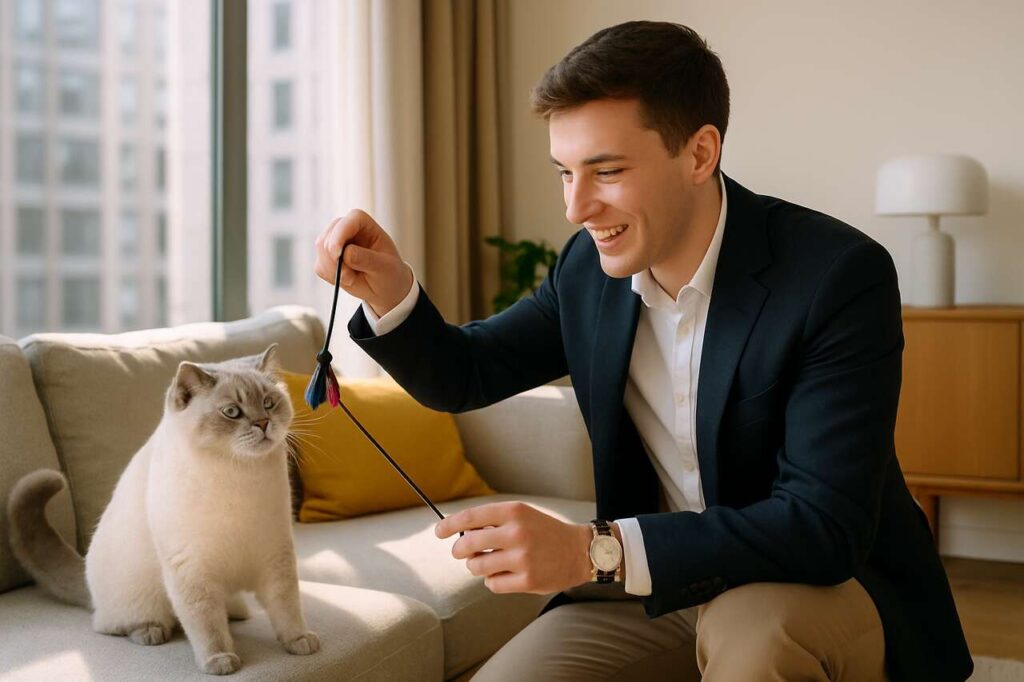
The landscape of cat ownership across the United Kingdom is undergoing a remarkable transformation. Recent data reveals a notable shift in the demographics of those choosing to welcome feline companions into their homes, with younger, more affluent individuals increasingly driving this change. This evolution marks a departure from traditional patterns of pet ownership, bringing with it new considerations for animal welfare organisations, veterinary professionals, and policymakers alike.
Evolution of cat ownership in the UK
Current state of the feline population
The privately owned cat population in the UK stands at approximately 10.2 million animals, representing a modest decline from the previous year’s figure of 10.6 million. This translates to roughly 24% of households sharing their homes with at least one cat, down from 25% previously. Whilst these figures suggest a slight contraction in overall numbers, the composition of cat-owning households is experiencing significant change.
Demographic shifts among cat owners
The profile of the typical cat owner is evolving considerably. Traditional ownership patterns are being disrupted by several key trends:
- Young adults aged 18 to 34 are increasingly embracing cat ownership
- Ownership among the 35 to 54 age bracket is experiencing notable decline
- Women and individuals aged 55 and over maintain steady ownership levels, though at their lowest point in recent years
- Social class distribution is shifting towards more affluent demographics
These changes reflect broader societal transformations, including shifting housing patterns, evolving lifestyle preferences, and changing attitudes towards pet ownership among different generations. The data suggests that younger professionals are finding cats particularly suited to their circumstances, perhaps due to their relative independence compared to other companion animals.
Understanding these foundational changes sets the stage for examining the specific characteristics of this emerging generation of cat owners.
New trends in feline ownership among young Brits
The rise of affluent young cat owners
Perhaps the most striking revelation concerns the socioeconomic profile of new cat owners. An impressive 49% of individuals who acquired cats in the past year belong to the AB social class, representing a significant increase from 44% previously. This AB classification encompasses higher and intermediate managerial, administrative, and professional occupations, indicating a marked shift towards a more financially comfortable demographic.
| Year | AB Social Class (%) | Change |
|---|---|---|
| 2024 | 44% | – |
| 2025 | 49% | +5% |
Preference for purebred felines
Accompanying this demographic shift is a fundamental change in the types of cats being acquired. For the first time, more than half of recently obtained cats are purebreds, with the figure reaching 51%. This preference for pedigree animals represents a departure from the traditional dominance of mixed-breed or rescue cats in British homes.
This trend towards purebred cats raises several considerations:
- Increased demand for specific breeds with desirable aesthetic characteristics
- Growing influence of social media in shaping breed preferences
- Potential health implications associated with certain pedigree lines
- Commercial implications for breeders and pet industry stakeholders
The intersection of affluence and breed preference naturally leads to questions about how these owners are acquiring their feline companions and what they are willing to invest.
The economic impact of young cat owners
Rising purchase rates
The proportion of the total cat population that has been purchased has risen substantially, climbing to 38% from 34% the previous year. This four-percentage-point increase signals a growing willingness among cat owners to invest financially in acquiring specific animals rather than adopting from rescue centres or accepting cats from informal sources.
Spending patterns and premium products
Younger, wealthier cat owners are demonstrating distinct spending behaviours that are reshaping the pet care industry. Their financial capacity and willingness to invest in their feline companions manifests in several ways:
- Premium food products with specialised nutritional profiles
- Advanced veterinary care including preventative treatments
- High-quality accessories and enrichment items
- Pet insurance coverage with comprehensive benefits
- Professional grooming and boarding services
This increased expenditure is creating new opportunities within the pet care sector, encouraging innovation and the development of premium product lines specifically targeted at this demographic. However, it also highlights a growing divide between those who can afford comprehensive care and those who may struggle with basic veterinary expenses.
The willingness to purchase rather than adopt raises important questions about the sources from which these new owners are obtaining their cats.
Where do the cats of new owners come from ?
Breeder networks and commercial sources
The surge in purebred ownership has inevitably strengthened the role of professional breeders as primary sources for cats. Reputable breeders who prioritise health testing, proper socialisation, and ethical practices are experiencing increased demand. However, this market expansion also creates opportunities for less scrupulous operators.
Concerns about unethical breeding
The growing demand for specific breeds presents several challenges:
- Risk of supporting kitten farms or unethical breeding operations
- Insufficient health screening leading to genetic disorders
- Inadequate socialisation during critical developmental periods
- Falsified pedigree documentation
Animal welfare organisations have expressed concern that the trend towards purchasing purebred cats may inadvertently fuel problematic breeding practices. The emphasis on appearance over health can perpetuate breeds with known genetic issues, including respiratory problems in flat-faced breeds or joint conditions in others.
Declining role of rescue centres
As purchase rates climb, rescue centres and rehoming organisations face new challenges. The preference for purebred kittens means fewer potential adopters for the mixed-breed and adult cats awaiting homes. This shift could have long-term implications for animal welfare infrastructure and the cats that depend upon it.
The source of cats directly influences their health outcomes and overall well-being throughout their lives.
Implications for cat health and well-being
Health challenges in purebred cats
The preference for purebred animals brings with it specific health considerations. Many popular breeds carry genetic predispositions to various conditions:
| Breed Type | Common Health Concerns |
|---|---|
| Flat-faced breeds | Respiratory difficulties, dental issues |
| Large breeds | Joint problems, cardiac conditions |
| Hairless varieties | Skin conditions, temperature regulation |
Access to veterinary care
Whilst wealthier owners generally possess greater capacity to afford veterinary treatment, the concentration of cat ownership among affluent demographics creates a two-tier system. Cats owned by less financially secure individuals may not receive equivalent care, potentially compromising welfare outcomes across the broader feline population.
Social media influence on welfare
The role of social media in shaping breed preferences presents both opportunities and risks. Whilst online platforms can educate owners about proper care, they may also promote breeds based on aesthetic appeal rather than suitability or health considerations. The desire for photogenic cats can drive demand for animals with exaggerated features that compromise their quality of life.
These welfare considerations point towards the need for a thoughtful approach to the future of cat ownership in Britain.
Towards a new era of feline ownership in the UK
Balancing trends with welfare priorities
The evolving landscape of cat ownership presents opportunities to enhance feline welfare through increased resources and awareness. However, it also requires careful management to ensure that commercial interests do not override animal well-being. Stakeholders across sectors must collaborate to promote responsible ownership regardless of demographic trends.
Education and responsible breeding
Addressing the challenges posed by shifting ownership patterns requires comprehensive education initiatives targeting new and prospective owners. Key areas include:
- Understanding breed-specific health requirements
- Recognising ethical breeding practices
- Appreciating the value of rescue adoption
- Committing to long-term care responsibilities
Strengthening regulations around breeding practices and sales could help protect both cats and consumers from unethical operators seeking to exploit growing demand.
The transformation of cat ownership demographics represents both challenge and opportunity for all those committed to feline welfare. The concentration of ownership among younger, wealthier individuals brings increased resources to pet care whilst simultaneously raising questions about accessibility and the fate of cats outside this premium market. As these trends continue to develop, maintaining focus on the fundamental needs and welfare of cats themselves remains paramount. The data provides valuable insights for shaping policies, services, and initiatives that can support positive outcomes for all cats and their owners across the socioeconomic spectrum.