



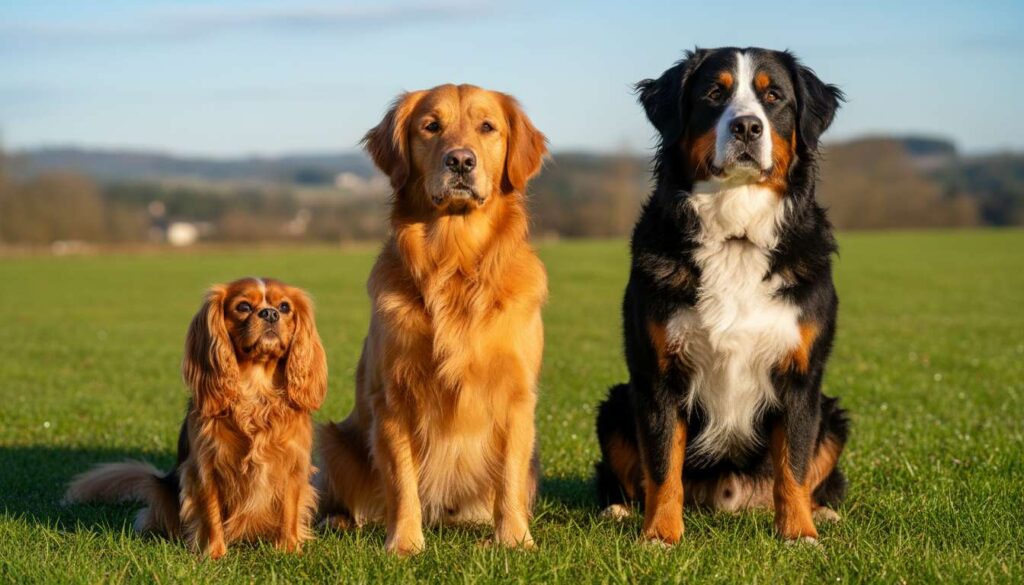
Selecting the right canine companion requires careful consideration of temperament, particularly when households include children or elderly family members. Professional trainers consistently highlight specific breeds that demonstrate remarkable gentleness, making them ideal additions to various living situations. These breeds combine affectionate natures with stable temperaments, creating harmonious relationships between humans and their four-legged friends. Understanding which breeds naturally exhibit these qualities helps prospective owners make informed decisions that benefit both family and pet.
Criteria to consider when choosing a gentle dog
Temperament stability and predictability
The foundation of canine gentleness lies in temperament stability, which refers to a dog’s consistent behavioural responses across different situations. Professional trainers emphasise that gentle breeds typically display predictable reactions to stimuli, avoiding sudden aggressive outbursts or unpredictable behaviour. This characteristic proves particularly valuable in households with vulnerable individuals who require reliable, calm companions.
Breed-specific temperament traits develop through generations of selective breeding, creating inherent behavioural patterns that prospective owners can anticipate. Dogs with gentle dispositions naturally exhibit patience, tolerance, and affectionate tendencies without requiring extensive behavioural modification. These qualities manifest early in puppyhood and remain consistent throughout the animal’s lifetime when properly nurtured.
Social compatibility and adaptability
Gentle breeds demonstrate exceptional social compatibility with various individuals and animals. Key indicators include:
- Natural affinity towards children and their unpredictable movements
- Peaceful coexistence with other household pets
- Welcoming attitude towards visitors and strangers
- Minimal territorial aggression or possessive behaviour
- Adaptability to different living environments and routines
These characteristics enable smooth integration into diverse family structures, from single-person households to large families with multiple generations. The ability to adjust to changing circumstances without stress-induced behavioural problems distinguishes truly gentle breeds from those requiring more structured environments.
Physical considerations and energy levels
Size and energy levels significantly influence a breed’s suitability for specific households. Whilst some gentle giants require substantial space, smaller breeds with calm temperaments thrive in compact living arrangements. Energy levels must align with owner capabilities, as mismatched activity requirements can lead to frustration for both dog and human. Gentle breeds typically exhibit moderate energy levels, enjoying regular exercise without demanding excessive physical activity that might overwhelm less active owners.
Understanding these fundamental criteria provides the framework for evaluating specific breeds renowned for their exceptional gentleness. The following breeds exemplify these qualities through their documented temperaments and trainer recommendations.
The Newfoundland: a giant with a tender heart
Physical characteristics and gentle nature
The Newfoundland stands as one of the largest dog breeds, with males weighing between 60 and 70 kilograms. Despite their imposing physical presence, these dogs possess remarkably gentle dispositions that have earned them the nickname “gentle giants”. Their thick, water-resistant coats and webbed feet originally facilitated their work as fishing companions and water rescue dogs, demonstrating both strength and reliability.
This breed’s patient demeanour makes them exceptionally tolerant of children’s sometimes clumsy interactions. Newfoundlands instinctively protect without aggression, positioning themselves between perceived threats and their family members rather than resorting to aggressive displays. Their calm presence provides reassurance in stressful situations, making them ideal companions for families seeking both protection and gentleness.
Temperament and family integration
Professional trainers consistently rank Newfoundlands among the most emotionally intelligent breeds. These dogs demonstrate remarkable sensitivity to human emotions, often providing comfort during difficult times without prompting. Their devotion to family members manifests through constant companionship rather than demanding attention, allowing them to integrate seamlessly into household routines.
| Characteristic | Rating | Family Suitability |
|---|---|---|
| Patience with children | Excellent | Highly recommended |
| Compatibility with other pets | Very good | Suitable with proper introduction |
| Protective instinct | Strong but gentle | Ideal for families |
| Energy level | Moderate | Manageable for most households |
Care requirements and considerations
Prospective Newfoundland owners must acknowledge the breed’s substantial care requirements. Their thick double coats demand regular grooming to prevent matting and manage shedding. These dogs also require adequate space for comfortable movement, though they adapt surprisingly well to indoor living provided they receive daily exercise. Health considerations include hip dysplasia and heart conditions, necessitating regular veterinary monitoring throughout their lifespan.
The breed’s affinity for water means many Newfoundlands enthusiastically embrace swimming opportunities, which provides excellent low-impact exercise for their large frames. Their moderate energy levels suit families who enjoy leisurely walks rather than intensive athletic activities, making them accessible companions for various lifestyle preferences.
Whilst the Newfoundland represents gentleness in large breeds, smaller dogs can equally embody these qualities in more compact forms.
The Cavalier King Charles: gentleness and elegance
Historical background and breed development
The Cavalier King Charles Spaniel emerged from centuries of selective breeding focused on creating the ultimate companion animal. Historical records indicate these dogs graced royal courts, where their primary purpose involved providing affectionate companionship rather than performing working tasks. This heritage shaped their temperament towards human interaction, resulting in a breed that thrives on close relationships with their owners.
Their elegant appearance combines with genuinely sweet dispositions, creating dogs that appeal to both aesthetic and emotional preferences. Weighing between 5 and 8 kilograms, Cavaliers fit comfortably in various living situations whilst maintaining the gentle temperament associated with larger breeds.
Exceptional social skills and adaptability
Cavalier King Charles Spaniels demonstrate remarkable social intelligence that facilitates harmonious relationships across all age groups. Their natural inclination towards affection manifests through:
- Constant desire for physical proximity to family members
- Gentle interactions with children of all ages
- Friendly greetings towards strangers and visitors
- Peaceful cohabitation with other dogs and household pets
- Intuitive responses to owner emotions and moods
These dogs rarely display aggressive tendencies, instead resolving conflicts through avoidance and submission. Their adaptable nature allows them to thrive in apartments or houses, with active families or elderly individuals, demonstrating versatility that enhances their appeal as gentle companions.
Health and maintenance considerations
Cavaliers require moderate grooming attention to maintain their silky coats in optimal condition. Regular brushing prevents tangling whilst providing bonding opportunities between dog and owner. Health concerns specific to this breed include heart conditions and syringomyelia, requiring prospective owners to select puppies from health-tested lineages and maintain regular veterinary care throughout the dog’s life.
Their exercise requirements remain modest, with daily walks and play sessions satisfying their physical needs. This manageable activity level suits individuals who appreciate canine companionship without the demands of high-energy breeds, making Cavaliers particularly appropriate for less physically active households seeking gentle companions.
Beyond small companion breeds, medium to large working breeds also demonstrate exceptional gentleness when properly bred and raised.
The Collie: a peaceful protector
Intelligence and gentle guardianship
The Collie combines exceptional intelligence with inherent gentleness, creating a breed that protects through awareness rather than aggression. Originally developed for herding livestock, these dogs learned to guide animals through patience and strategic positioning rather than force. This heritage translates into modern family settings where Collies naturally monitor household activities and family members without intrusive behaviour.
Their remarkable trainability stems from both intelligence and eagerness to please, allowing them to learn appropriate behaviours quickly. Professional trainers appreciate Collies for their responsiveness to gentle correction methods, rarely requiring harsh discipline to achieve desired behaviours. This combination of intelligence and gentleness makes them ideal for first-time dog owners seeking manageable yet devoted companions.
Family dynamics and protective instincts
Collies demonstrate natural affinity towards children, often assuming guardian roles that involve gentle supervision rather than overt control. Their herding instincts may manifest through attempts to keep young children within safe boundaries, executed through positioning and gentle nudging rather than aggressive behaviour. This protective tendency provides parents with additional peace of mind whilst maintaining the gentle interactions essential for child-friendly pets.
| Trait | Expression | Benefit |
|---|---|---|
| Protective nature | Alert without aggression | Security with gentleness |
| Intelligence | Quick learning | Easy training |
| Patience | Tolerant of children | Safe family pet |
| Loyalty | Devoted to family | Reliable companionship |
The breed’s sensitivity to household dynamics enables them to adjust their behaviour according to situational requirements. During calm periods, Collies remain peacefully present, whilst stressful situations trigger their protective instincts without escalating to aggressive responses. This balanced temperament proves invaluable in households with varying activity levels and emotional atmospheres.
Understanding why gentle temperaments benefit households helps prospective owners appreciate the value these breeds provide beyond basic companionship.
The benefits of adopting a dog with a gentle temperament
Enhanced family harmony and reduced stress
Gentle dogs contribute significantly to household tranquillity through their calm presence and predictable behaviour. Unlike breeds prone to excitability or aggression, gentle temperaments create peaceful environments where family members relax rather than remaining vigilant about potential incidents. This atmospheric difference particularly benefits households with young children, elderly residents, or individuals managing stress-related conditions.
Research indicates that interactions with calm dogs reduce cortisol levels whilst increasing oxytocin production, creating measurable physiological benefits for human companions. These effects compound over time, contributing to improved mental health outcomes and enhanced quality of life for dog owners. The reliability of gentle breeds allows owners to confidently include their pets in various activities without anxiety about behavioural problems.
Simplified training and management
Dogs with inherently gentle temperaments require less intensive behavioural modification than breeds with challenging characteristics. Key advantages include:
- Reduced need for extensive socialisation protocols
- Lower risk of aggression-related incidents requiring professional intervention
- Easier integration into multi-pet households
- Greater flexibility in housing situations and public spaces
- Decreased liability concerns regarding bite incidents
These practical benefits translate into reduced ownership costs associated with training classes, behavioural consultations, and potential legal issues. Gentle breeds typically respond well to basic obedience training, achieving reliable results through positive reinforcement methods that strengthen human-animal bonds rather than creating fear-based compliance.
Therapeutic and emotional support capabilities
The natural empathy demonstrated by gentle breeds makes them excellent candidates for emotional support and therapy work. Their ability to remain calm in stressful situations whilst providing comforting physical presence addresses various psychological needs without formal training requirements. Many individuals managing anxiety, depression, or trauma find that gentle dogs offer non-judgemental companionship that facilitates emotional healing.
These dogs instinctively respond to human emotional states, often providing comfort through physical proximity and gentle interactions during difficult moments. This intuitive support complements professional mental health interventions, creating comprehensive support systems that enhance treatment outcomes and daily functioning for individuals facing psychological challenges.
Whilst breed selection provides foundation for gentleness, proper training remains essential for developing and maintaining these desirable characteristics.
The importance of training in canine gentleness
Early socialisation and exposure
Even naturally gentle breeds require appropriate socialisation during critical developmental periods to fulfil their temperamental potential. Exposure to diverse people, animals, environments, and situations between eight and sixteen weeks of age shapes lifelong behavioural patterns. Puppies experiencing positive interactions during this window develop confidence and social skills that support gentle adult behaviour.
Professional trainers emphasise that controlled exposure prevents fear-based responses that can manifest as defensive aggression later in life. Gentle breeds particularly benefit from socialisation as their cooperative natures make them receptive to learning appropriate social behaviours. This early investment prevents problems whilst strengthening the natural gentleness inherent to these breeds.
Positive reinforcement methods
Training approaches significantly influence how breed temperament expresses itself throughout a dog’s life. Positive reinforcement methods that reward desired behaviours align perfectly with gentle breeds’ cooperative natures, creating training experiences that strengthen rather than damage human-animal relationships. These techniques include:
- Reward-based learning using treats, praise, and play
- Clear communication through consistent commands and expectations
- Patience during the learning process without punishment
- Recognition of individual learning speeds and preferences
- Building on successes rather than focusing on failures
Gentle breeds respond particularly well to these methods, often exceeding training expectations when approached with kindness and consistency. Harsh corrections or punishment-based techniques prove counterproductive with these temperaments, potentially creating anxiety that undermines their natural gentleness.
Ongoing reinforcement and relationship maintenance
Training extends beyond puppyhood, requiring continuous reinforcement throughout the dog’s lifetime. Regular practice of learned behaviours maintains reliability whilst providing mental stimulation that prevents boredom-related problems. Gentle breeds particularly appreciate training sessions as opportunities for focused interaction with their owners, strengthening bonds whilst maintaining behavioural standards.
The relationship between owner and dog fundamentally influences how temperament manifests in daily life. Consistent, loving interactions that respect the dog’s gentle nature whilst providing clear guidance create confident, well-adjusted companions. This ongoing investment ensures that breed potential translates into lived reality, maximising the benefits of selecting inherently gentle dogs.
Choosing a dog breed known for exceptional gentleness provides families with reliable, affectionate companions that enhance daily life through their calm presence and loving natures. The Newfoundland, Cavalier King Charles Spaniel, and Collie each demonstrate unique expressions of gentleness suited to different household situations and owner preferences. Understanding selection criteria, breed-specific characteristics, and training requirements enables prospective owners to make informed decisions that benefit both human and canine family members. Proper care, socialisation, and positive training methods ensure these naturally gentle breeds fulfil their potential as devoted companions that enrich lives through unconditional affection and steadfast loyalty.