



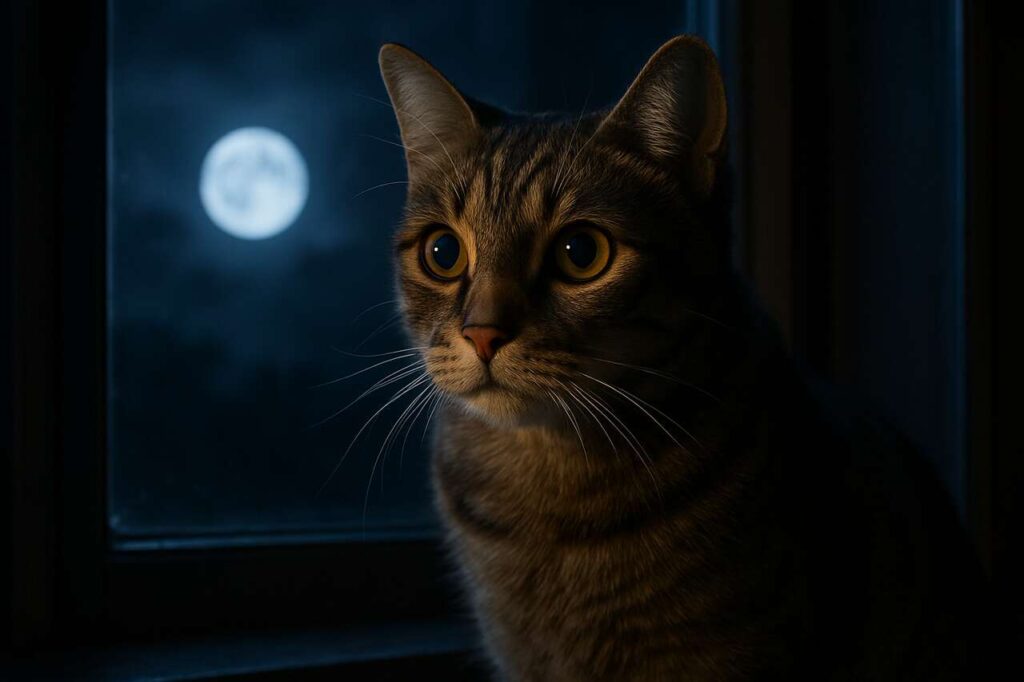
Many cat owners find themselves awakened in the early hours by persistent meowing, a behaviour that can disrupt household harmony and leave both humans and felines frustrated. This nocturnal vocalisation stems from various factors ranging from natural instincts to underlying health concerns, and understanding these causes is essential for developing effective management strategies that benefit everyone in the home.
Origins of night meowing in cats
Evolutionary and biological foundations
Cats are crepuscular animals, meaning their natural activity peaks occur during twilight hours at dawn and dusk. This behaviour pattern is deeply rooted in their evolutionary history as solitary hunters. In the wild, these periods offered optimal conditions for stalking prey, with sufficient light to see whilst providing cover from larger predators. Domestic cats retain these ancestral rhythms despite thousands of years of domestication, which explains why many become particularly vocal during hours when their owners are trying to sleep.
The feline sleep cycle differs substantially from human patterns. Whilst humans typically sleep in one consolidated period, cats experience polyphasic sleep, dozing for multiple short periods throughout the day and night. An average cat sleeps between 12 and 16 hours daily, but this sleep is distributed in intervals rather than one continuous block. This fragmented rest pattern means cats naturally wake multiple times during the night, and vocalisation often accompanies these waking periods.
Developmental influences on nocturnal behaviour
Age plays a significant role in night-time vocalisation patterns. Kittens and young cats typically display more pronounced crepuscular activity, with abundant energy that manifests as playfulness and vocalisation during twilight hours. As cats mature, many settle into calmer routines, though individual variation means some retain high nocturnal activity throughout their lives. Senior cats may experience a resurgence in night meowing due to age-related changes in cognition and health, creating a different set of challenges for their owners.
Understanding these biological underpinnings provides context for why cats vocalise at night, setting the stage for examining the specific triggers that prompt this behaviour.
Common reasons for night-time meowing
Hunger and thirst
Nutritional needs frequently drive nocturnal vocalisation. Cats with empty stomachs or insufficient access to fresh water will meow to alert their owners to these deficiencies. This behaviour often becomes learned when cats discover that vocalising produces the desired response of being fed. Some cats develop remarkably precise internal clocks, meowing at specific times when they expect meals, regardless of whether they are genuinely hungry.
Boredom and insufficient stimulation
Cats lacking adequate mental and physical engagement during waking hours often have surplus energy that manifests as restlessness and vocalisation at night. Indoor cats are particularly susceptible to this issue, as they lack the environmental stimulation that outdoor exploration provides. Without appropriate outlets for their hunting instincts and curiosity, cats may resort to meowing as a means of expressing frustration or seeking engagement.
Attention-seeking behaviour
Many cats learn that vocalising effectively captures human attention. Even negative attention, such as scolding, can reinforce the behaviour because it provides the interaction the cat seeks. This creates a cycle where meowing becomes an established communication tool for demanding:
- Playtime and interactive engagement
- Physical affection and petting
- Access to closed rooms or restricted areas
- Reassurance when feeling anxious or uncertain
Health-related factors
Various medical conditions can trigger increased vocalisation, particularly in senior cats. Cognitive dysfunction syndrome, similar to dementia in humans, causes disorientation and confusion that often worsens at night. Hyperthyroidism, kidney disease, high blood pressure, and pain from arthritis or other conditions can all manifest through excessive meowing. Sudden changes in vocalisation patterns warrant veterinary attention to rule out underlying health problems.
These diverse motivations demonstrate that night meowing rarely has a single cause, leading naturally to consideration of how cats use vocalisation as part of their broader communication repertoire.
Feline communication during the night
The language of meowing
Meowing is primarily a communication tool cats use with humans rather than with other cats. Adult cats rarely meow at each other, reserving this vocalisation for interactions with people. This suggests that domestic cats have adapted their communication strategies specifically for human companions, recognising that vocalisation effectively captures our attention in ways that subtle body language might not.
Different meow types convey distinct messages. Short, high-pitched meows often signal greeting or mild requests, whilst prolonged, lower-pitched meows typically indicate more urgent demands or distress. Cats modulate their vocalisations based on the responses they receive, effectively training their owners to understand and respond to specific sounds.
Non-vocal nocturnal communication
Whilst meowing dominates human perception of feline night-time communication, cats employ numerous other signals during dark hours:
- Scratching at doors or furniture to request access or attention
- Jumping onto beds or furniture to initiate contact
- Purring to express contentment or self-soothe
- Physical contact such as pawing or head-butting
Understanding this broader communication context helps owners recognise that meowing represents just one element of feline expression, though often the most disruptive one during sleeping hours.
Territorial and mating vocalisations
Unneutered cats, particularly males, may meow at night as part of territorial behaviour or mating calls. These vocalisations tend to be louder and more persistent than typical attention-seeking meows. Female cats in heat produce distinctive yowling sounds that can be particularly distressing for owners unfamiliar with this behaviour. Neutering typically reduces or eliminates these specific types of nocturnal vocalisation.
With this understanding of feline communication established, attention naturally turns to practical approaches for managing disruptive night-time meowing.
Managing night-time meowing: effective strategies
Establishing consistent routines
Predictable daily schedules significantly reduce nocturnal restlessness. Cats thrive on routine, and establishing regular times for feeding, play, and sleep helps synchronise their activity patterns with household rhythms. A consistent evening routine that includes vigorous play followed by feeding can help cats settle for longer sleep periods that align with human schedules.
Increasing daytime engagement
Providing substantial physical and mental stimulation during waking hours depletes excess energy that might otherwise fuel night-time activity. Effective enrichment strategies include:
- Interactive play sessions using wand toys that mimic prey movement
- Puzzle feeders that challenge cats mentally whilst satisfying hunting instincts
- Rotating toy selection to maintain novelty and interest
- Environmental enrichment such as cat trees, perches, and window access
- Scheduled playtime before bed to tire cats out
Managing feeding schedules
Adjusting meal timing can substantially reduce hunger-related meowing. Providing a substantial meal shortly before human bedtime helps cats feel satiated through the night. Automatic feeders can dispense small portions during night hours, satisfying cats who genuinely wake hungry without requiring owner intervention. Some owners find success with free-feeding dry food, though this approach requires monitoring to prevent obesity.
Modifying environmental factors
Creating an environment conducive to feline rest during human sleeping hours involves several considerations. Ensuring comfortable sleeping areas with appropriate temperature and soft bedding encourages cats to settle. Providing nightlights can help senior cats with declining vision navigate confidently, reducing anxiety-related vocalisation. White noise machines may mask external sounds that trigger alert responses.
Behaviour modification techniques
Consistency is crucial when addressing attention-seeking meowing. Responding to vocalisation reinforces the behaviour, teaching cats that meowing produces desired outcomes. Instead, owners should completely ignore night-time meowing, avoiding eye contact, verbal responses, or physical interaction. This approach requires patience, as behaviour often intensifies before improving, a phenomenon known as an extinction burst. Rewarding quiet behaviour with attention and treats during appropriate hours helps cats learn alternative communication patterns.
Whilst these strategies prove effective for most cases, certain situations require professional veterinary assessment rather than behavioural intervention alone.
When to consult a vet for nocturnal meowing
Recognising medical warning signs
Several indicators suggest that night meowing stems from health issues rather than behavioural causes. Sudden changes in vocalisation patterns, particularly in previously quiet cats or those with established routines, warrant veterinary attention. Excessive meowing accompanied by other symptoms requires prompt evaluation:
| Symptom | Possible condition |
|---|---|
| Increased thirst and urination | Kidney disease, diabetes, hyperthyroidism |
| Weight loss despite normal appetite | Hyperthyroidism, diabetes, cancer |
| Disorientation or confusion | Cognitive dysfunction, neurological issues |
| Difficulty jumping or stiffness | Arthritis, joint pain |
| Changes in litter box habits | Urinary tract issues, constipation |
Age-specific concerns
Senior cats merit particular attention regarding nocturnal vocalisation. Cognitive dysfunction syndrome affects a significant proportion of cats over 15 years, causing symptoms including disorientation, altered sleep-wake cycles, and increased vocalisation, especially at night. Hypertension, common in older cats, can cause distress and confusion. Pain from arthritis or other age-related conditions may intensify when cats are less distracted, leading to increased night-time meowing.
Diagnostic approaches
Veterinary assessment typically includes physical examination, blood tests to evaluate organ function and hormone levels, blood pressure measurement, and potentially imaging studies. Providing detailed information about when meowing occurs, its characteristics, and any accompanying behavioural changes helps veterinarians identify underlying causes. Video recordings of the behaviour can be particularly useful for diagnostic purposes.
Once medical causes are addressed or ruled out, implementing comprehensive solutions can restore peaceful nights for the entire household.
Solutions for restful sleep for you and your cat
Creating optimal sleeping environments
Designating comfortable sleeping spaces encourages cats to rest during human sleeping hours. Providing multiple options allows cats to choose locations matching their preferences for temperature, elevation, and privacy. Heated beds appeal to many cats, particularly seniors with arthritis. Elevated perches satisfy cats who prefer surveying their territory whilst resting.
Gradual schedule adjustment
Shifting feline activity patterns requires patience and consistency. Gradually moving playtime and feeding schedules later in the evening helps reset internal clocks. This process typically takes several weeks, with incremental adjustments of 15 to 30 minutes producing better results than dramatic changes.
Household management strategies
Practical measures can minimise disruption whilst working on long-term solutions:
- Using earplugs or white noise to reduce awareness of meowing
- Keeping bedroom doors closed to create boundaries
- Providing engaging activities in separate rooms to occupy cats
- Installing cat doors to allow independent access to different areas
Pharmaceutical and supplement options
For cases where behavioural modification proves insufficient, veterinarians may recommend interventions. Synthetic pheromone diffusers create calming environments for anxious cats. Supplements containing ingredients such as L-theanine or alpha-casozepine may reduce stress-related vocalisation. In severe cases, particularly those involving cognitive dysfunction, prescription medications can improve quality of life for both cats and owners.
Night-time meowing in cats stems from various causes including natural crepuscular instincts, hunger, boredom, attention-seeking, and health issues. Effective management combines understanding feline communication with practical strategies such as consistent routines, increased daytime stimulation, appropriate feeding schedules, and environmental modifications. Whilst behavioural approaches resolve most cases, sudden changes or accompanying symptoms necessitate veterinary consultation to address potential medical causes. With patience and appropriate interventions, households can achieve peaceful nights that accommodate both human sleep needs and feline wellbeing.