



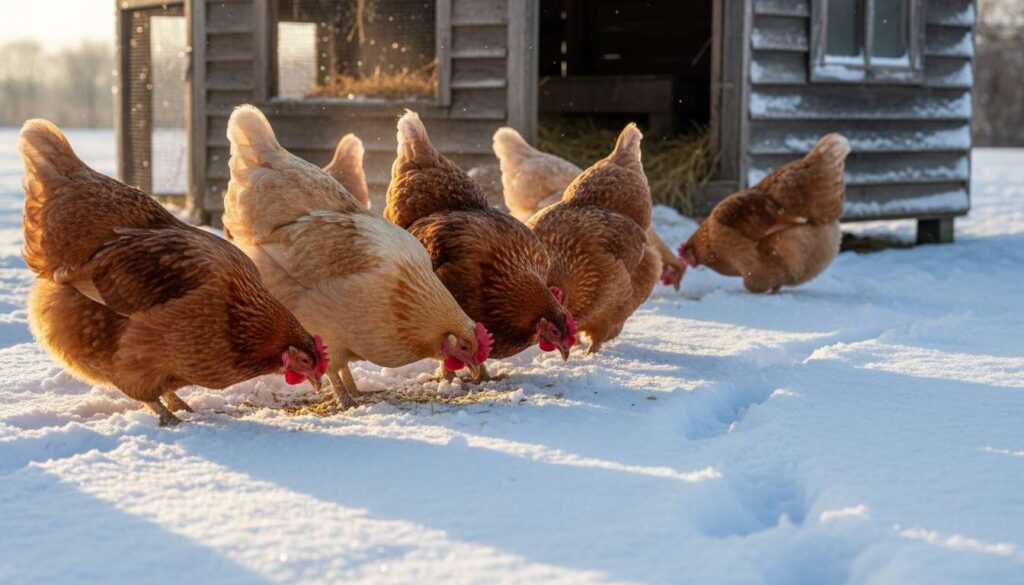
Keeping hens through the colder months requires careful planning and dedicated attention to their environment. Whilst chickens are remarkably hardy creatures, winter conditions can significantly impact their comfort, health and egg production. Understanding the specific needs of your flock during freezing temperatures and shorter daylight hours is essential for maintaining their wellbeing and ensuring they continue to lay eggs throughout the season. The combination of proper shelter, nutrition, water management and health monitoring forms the foundation of successful winter poultry keeping.
The importance of appropriate shelter for your hens in winter
Creating a draft-free environment
The first priority for winter poultry care is ensuring your hens have access to adequate shelter that protects them from harsh weather conditions. A well-constructed coop serves as the primary defence against wind, rain, snow and freezing temperatures. The structure must be completely draft-free whilst still allowing for proper ventilation, a balance that proves crucial for preventing respiratory problems.
To identify potential drafts in your coop, conduct a thorough inspection during daylight hours by observing where light penetrates through gaps. These areas should be sealed using appropriate materials such as:
- Silicone sealant for small cracks and gaps
- Wooden strips or boards for larger openings
- Weather-resistant foam for irregular spaces
- Heavy-duty tape as a temporary solution
Providing adequate space and roosting areas
During winter, hens spend considerably more time inside the coop, making sufficient space even more important than during warmer months. Overcrowding can lead to stress, aggression and increased moisture levels within the shelter. Each hen requires approximately 0.4 square metres of floor space inside the coop, with roosting bars positioned at varying heights to accommodate the flock’s natural pecking order.
Roosting bars should be wide enough for hens to sit comfortably with their feet tucked beneath their bodies, allowing their feathers to cover their extremities and provide natural insulation. Position these bars away from walls to prevent cold transfer and ensure they’re made from smooth, splinter-free wood.
Guiding new birds to shelter
Inexperienced hens or recently introduced birds may not instinctively seek shelter during inclement weather. It’s essential to actively guide these birds into the coop during the first few cold nights, physically placing them inside if necessary. This training period typically lasts three to five evenings before the behaviour becomes established.
Once your shelter is properly prepared and your flock understands where to retreat during harsh weather, the next consideration involves maintaining warmth within that protected space.
Maintaining warmth: effectively insulating the chicken coop
Natural insulation methods
Effective insulation doesn’t require expensive materials or complex installations. Simple, natural methods can significantly improve heat retention within the coop. The deep litter method, which involves gradually adding fresh bedding materials atop existing layers, creates a composting effect that generates gentle warmth from below whilst providing excellent insulation.
Additional insulation strategies include:
- Draping old blankets or carpets over exterior walls during extreme cold snaps
- Packing straw bales around the coop’s perimeter
- Installing temporary windbreaks using tarpaulins or wooden panels
- Covering windows with clear plastic sheeting to reduce heat loss whilst maintaining light
Bedding materials for optimal warmth
The choice of bedding material directly impacts both warmth and moisture management. Wood shavings provide excellent insulation and absorbency, whilst straw offers superior heat retention. A combination of both materials often yields the best results, with a base layer of shavings topped with generous amounts of straw.
| Bedding material | Insulation rating | Absorbency | Cost |
|---|---|---|---|
| Wood shavings | Good | Excellent | Moderate |
| Straw | Excellent | Good | Low |
| Hemp bedding | Very good | Excellent | High |
| Shredded paper | Fair | Poor | Very low |
Balancing insulation with ventilation
Whilst insulation is vital, it must never compromise proper airflow. Adequate ventilation prevents the accumulation of moisture and ammonia fumes, both of which pose serious health risks to poultry. Ventilation openings should be positioned above roosting level to allow warm, moist air to escape without creating drafts at bird height.
The ideal setup includes adjustable vents that can be partially closed during extreme cold but never completely sealed. This approach maintains air quality whilst retaining warmth, creating a healthy environment for your flock.
With the coop properly insulated and ventilated, attention must turn to what goes into your hens to help them generate internal warmth and maintain egg production.
Winter feeding: boosting laying through proper nutrition
Increased caloric requirements
Cold weather dramatically increases the energy demands placed on hens as they work to maintain their core body temperature. During winter, chickens may require up to 30% more calories than during moderate weather. This increased need must be met through quality feed rather than simply increasing quantity, as overfeeding low-nutrient foods can lead to obesity without providing necessary warmth.
Protein-rich supplementation
Protein plays a crucial role in both egg production and feather maintenance. Winter diets should contain approximately 16-18% protein, with higher percentages for actively laying hens. Excellent protein sources include:
- Mealworms and other dried insects
- Sunflower seeds (in moderation)
- Cooked eggs or fish
- Quality layer pellets with enhanced protein content
- Sprouted grains
Warming treats and feeding timing
Providing warming foods before roosting time gives hens an energy boost that helps them stay warm throughout the night. Whole grains such as corn, wheat and oats require significant digestive effort, generating internal heat as a byproduct of metabolism. Offering these grains in the late afternoon, approximately an hour before dusk, ensures hens have full crops when settling for the night.
Warm porridge made from oats, mixed with vegetable scraps, provides both comfort and nutrition on particularly cold mornings. This treat should supplement rather than replace regular feed, offered once or twice weekly rather than daily.
Maintaining feed accessibility
During severe weather when hens may be reluctant to venture outside, ensure feeders are positioned inside the coop where birds can access them comfortably. Multiple feeding stations prevent dominant birds from monopolising resources and ensure all flock members receive adequate nutrition.
Equally important as proper nutrition is ensuring your hens have constant access to one of their most vital needs throughout the freezing months.
Ensuring constant access to non-frozen water
The critical importance of hydration
Water consumption directly correlates with egg production, making continuous access to unfrozen water absolutely essential. Hens can survive longer without food than without water, and even brief periods of dehydration can halt laying for several days. During winter, when natural water sources freeze solid, proactive water management becomes a daily priority.
Preventing water from freezing
Several practical methods exist for keeping water accessible during freezing conditions:
- Heated waterers specifically designed for poultry use
- Placing rubber containers that can be easily flexed to break ice
- Positioning water containers in sunny locations that receive maximum daylight
- Using insulated bases or wrapping containers with insulating materials
- Adding a small amount of apple cider vinegar to slightly lower the freezing point
- Replacing frozen water with fresh warm water multiple times daily
Water container placement and maintenance
Strategic positioning of water containers can significantly reduce freezing. Placing waterers inside the coop rather than outside exposes them to ambient heat generated by the flock. However, indoor placement requires diligent maintenance to prevent bedding contamination and excessive moisture accumulation.
| Water management method | Effectiveness | Cost | Maintenance required |
|---|---|---|---|
| Heated waterer | Excellent | High | Low |
| Multiple daily changes | Good | None | Very high |
| Insulated containers | Moderate | Low | Moderate |
| Rubber tubs | Fair | Very low | High |
Checking water supplies should become part of your morning and evening routine, with additional checks during particularly cold days. Clean, fresh water not only supports laying but also helps prevent the various health issues that cold weather can bring.
Protecting your hens from frostbite and cold-related illnesses
Recognising vulnerable areas
Frostbite most commonly affects the extremities of chickens, particularly combs, wattles and feet. Breeds with large single combs face greater risk than those with smaller rose or pea combs. Early signs of frostbite include pale or white discolouration of affected areas, followed by darkening as tissue damage progresses.
Prevention strategies
Preventing frostbite requires a multi-faceted approach focused on reducing moisture and maintaining adequate warmth. Dry conditions are paramount, as moisture dramatically increases frostbite risk. Key prevention measures include:
- Applying petroleum jelly to combs and wattles before extreme cold
- Ensuring roosting bars are wide enough for feet to be covered by feathers
- Maintaining excellent ventilation to reduce humidity
- Providing deep, dry bedding that insulates feet from cold floors
- Avoiding water spills inside the coop
Monitoring for respiratory issues
Cold, damp conditions combined with poor ventilation create ideal circumstances for respiratory infections. Watch for symptoms such as wheezing, nasal discharge, reduced activity or swollen sinuses. Early intervention proves crucial, as respiratory problems can quickly spread through an entire flock.
Daily health checks
Establishing a routine of daily observation allows early detection of problems before they become serious. Check each hen for alertness, normal behaviour, clear eyes and nostrils, and steady breathing. Any bird showing signs of illness should be isolated immediately to prevent disease spread and receive appropriate care.
Beyond addressing health concerns, specific management practices can actively encourage your hens to maintain production throughout the coldest months.
Tips for encouraging laying during the icy months
Managing light exposure
Egg production is intrinsically linked to daylight hours, with hens requiring approximately 14-16 hours of light daily for optimal laying. As winter days shorten dramatically, many keepers choose to provide supplemental lighting within the coop. This artificial extension of daylight can maintain production levels that would otherwise decline naturally.
When implementing supplemental lighting, use a timer to provide consistent schedules, adding light in the morning rather than evening to allow hens to naturally roost at dusk. A standard 40-60 watt bulb typically suffices for an average-sized coop.
Stress reduction techniques
Minimising stress proves essential for maintaining laying patterns. Winter itself presents numerous stressors, so reducing additional pressures becomes particularly important. Consistency in routine, adequate space, entertainment through hanging vegetables or scratch areas, and protection from predators all contribute to a calm, productive flock.
Nest box management
Comfortable, appealing nest boxes encourage hens to lay in appropriate locations rather than hiding eggs or becoming egg-bound. Winter nest box management includes:
- Providing extra bedding for warmth and comfort
- Positioning boxes away from drafts
- Maintaining cleanliness to prevent bacterial growth
- Ensuring adequate numbers (one box per four hens)
- Collecting eggs frequently to prevent freezing and cracking
Understanding natural cycles
It’s important to recognise that some reduction in laying is natural during winter months. Many hens undergo an annual moult during autumn, redirecting energy from egg production to feather regrowth. Forcing continuous production through artificial means may deplete hens’ reserves, potentially shortening their productive lifespan.
Balancing production goals with hen welfare creates sustainable practices that benefit both keeper and flock over multiple seasons.
Successfully maintaining a productive flock through winter requires dedication to multiple aspects of care, from shelter and warmth to nutrition and health monitoring. The investment of time and resources in preparing your coop, adjusting feeding programmes and ensuring constant water access pays dividends in continued egg production and healthy, contented hens. By implementing these strategies systematically and observing your flock’s responses, you’ll develop an understanding of your specific birds’ needs and preferences. Remember that whilst encouraging winter laying is possible, respecting natural cycles and prioritising hen welfare ultimately leads to stronger, longer-lived birds and more sustainable poultry keeping practices throughout the year.